After thirty-one years running the loading dock, Gus is retiring, and every issue is one of the legends the night crew tells about him — the forklift, the flood, the year he outlasted four managers.
In the Sunday Funnies look
Start with this ideaThirty years at a place leaves a pile of stories that only get told at the leaving do, and then never again. Put them in a comic: the retiree drawn from a photo, the loading dock and the break room drawn as they are, and one legend an issue, told the way the night crew tells it.
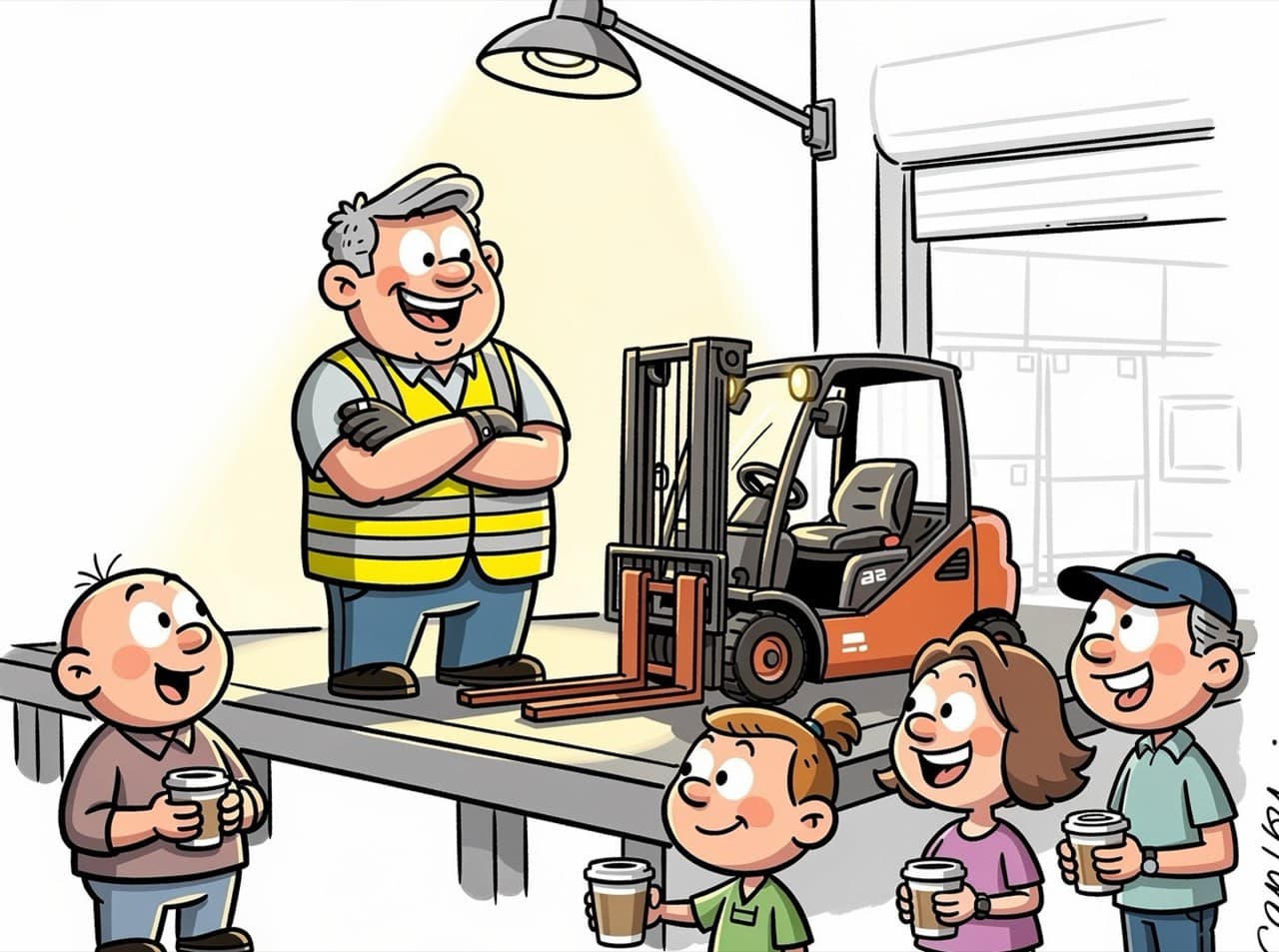
Write who they are at the place and what they're known for: the forklift, the flood year, the four managers they outlasted. Everyone or Teen as the rating — the break-room version of the stories, not the holiday-party one.
Sunday Funnies for a warm send-off, Ligne Claire for a clean one, Marcinelle Romp for the colleague whose stories are mostly slapstick.
Add a photo of them to their model sheet, with their permission, or describe them — the cardigan, the mug, the glasses on the forehead — and the studio draws them in the look. The colleagues who belong in the stories get sheets too.
Collect the stories from the team and drop each one into the comic desk's ideas box, one issue apiece. Read the scripts first, then download the finished issues to play at the leaving do.
Press start and the premise lands in the box of a new comic with its look already picked. Change every word, or the look, before anything is drawn.
After thirty-one years running the loading dock, Gus is retiring, and every issue is one of the legends the night crew tells about him — the forklift, the flood, the year he outlasted four managers.
In the Sunday Funnies look
Start with this ideaThe receptionist who has known every secret in the building since 1994 is retiring on Friday, and each issue she quietly fixes one last problem nobody knows she's fixing.
In the Ligne Claire look
Start with this ideaOr in any of the twenty-eight. A comic picks one look on its second step, and every panel of every issue keeps it.
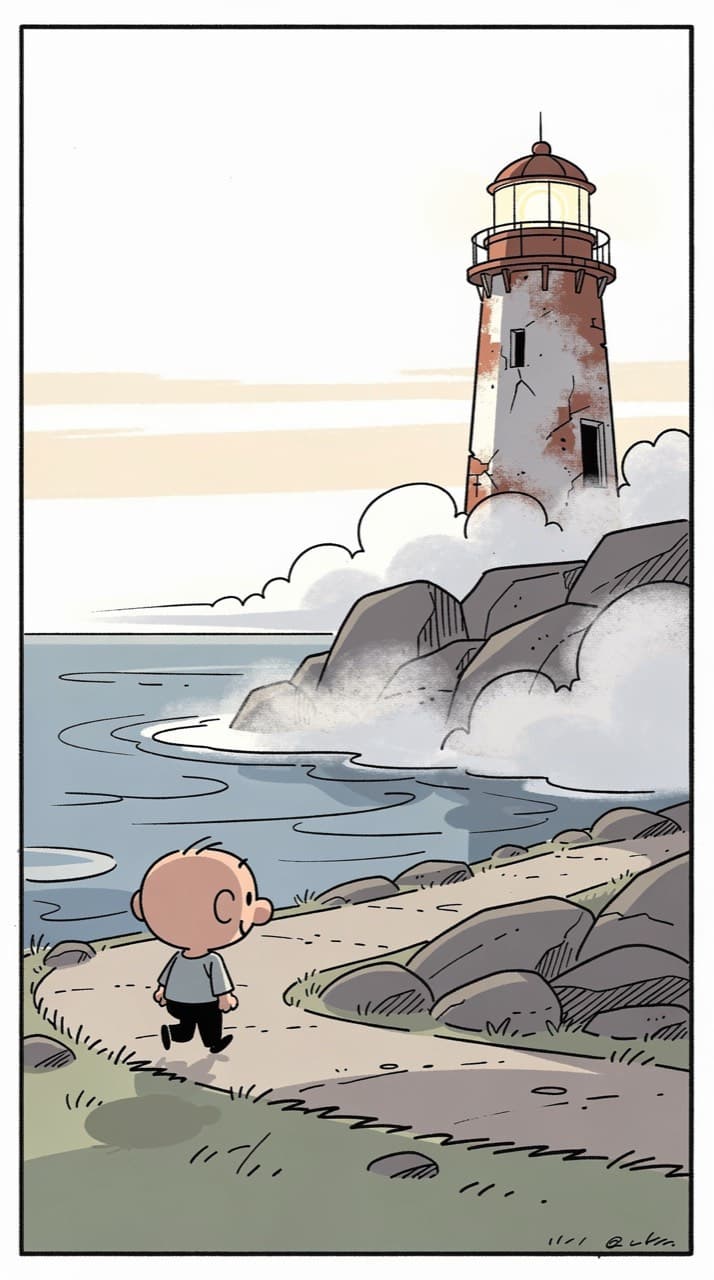
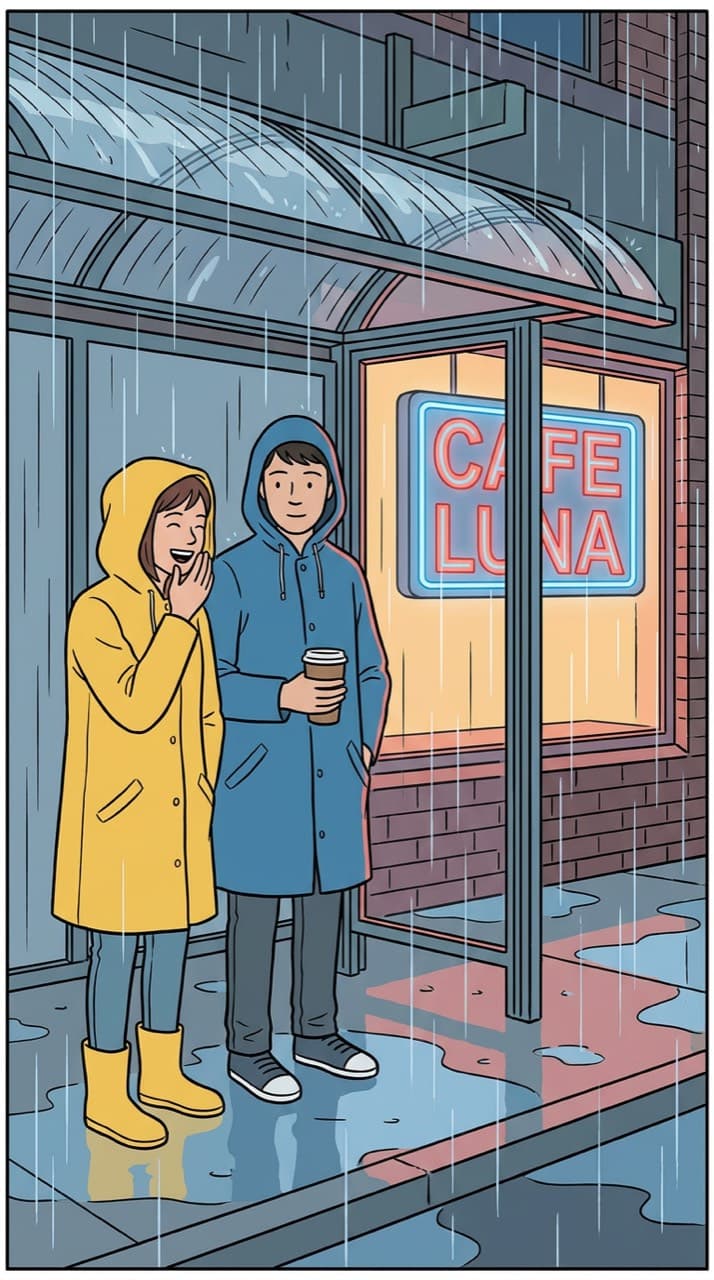
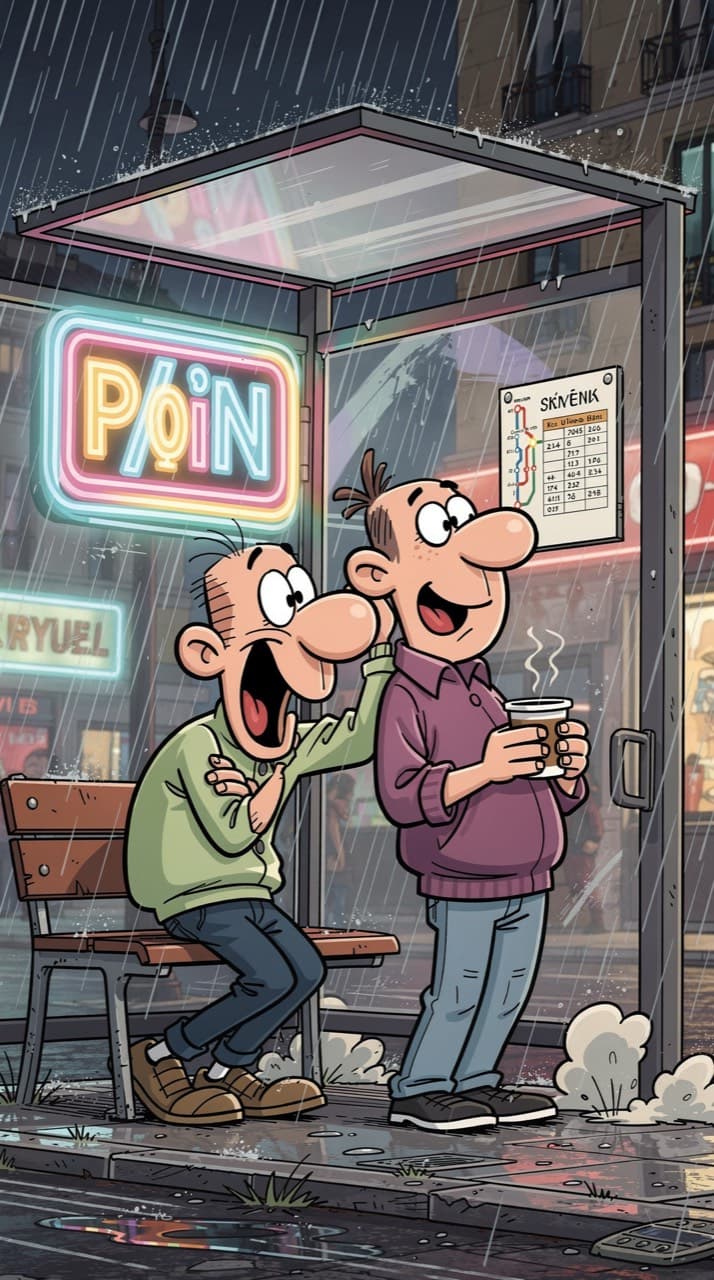
The comic lives on one account, so gather the stories — an email round the team does it — and drop each one into the comic desk's ideas box as the brief for an issue. The writer turns each into a script you read before a panel is drawn.
It's yours to steer. The writer works from what you give it, you read every script first, and the rating keeps it where you want it — Everyone for the speech, Teen if the stories have an edge.
Download each finished issue as a narrated video with music to play at the send-off, or as its panels in a zip with the captions, and share the link with the team afterwards.