A drop of water named Dot sets out from a mountain stream to reach the sea, and every issue she is somewhere new — a cloud, a root, a glass on a kitchen table — explaining how she got there.
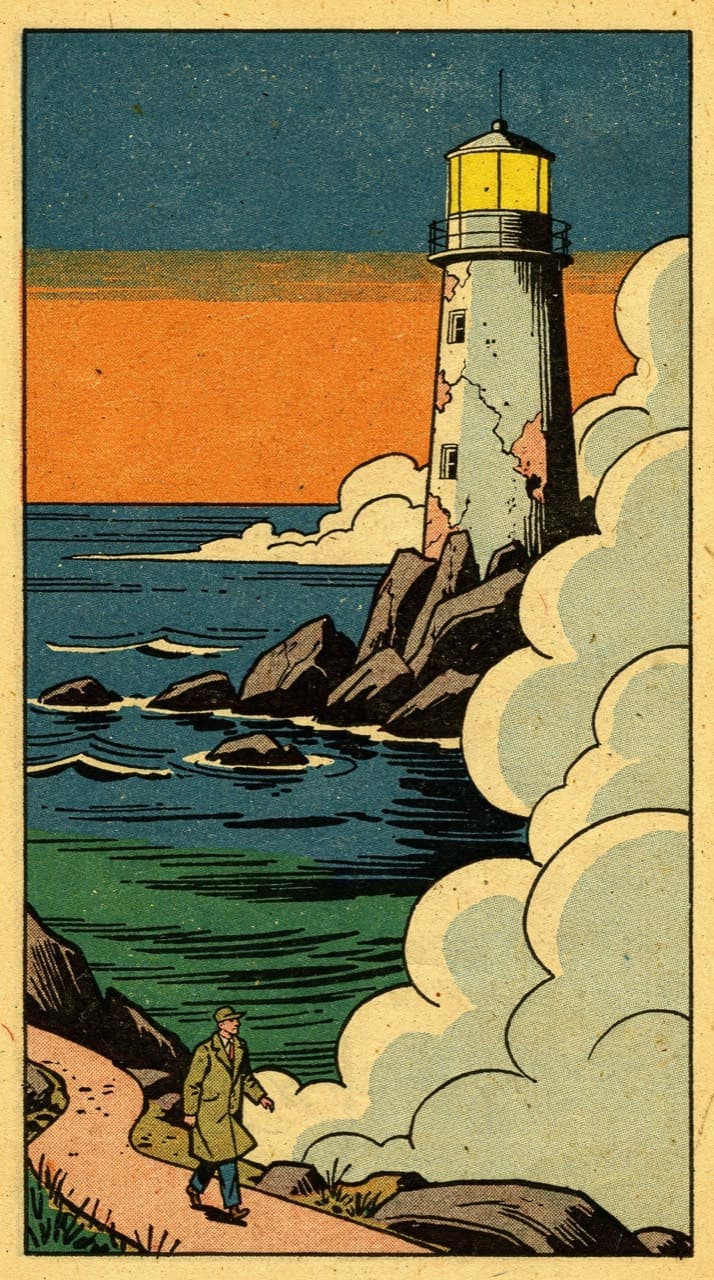
In the Golden Age Four-Colour look
Start with this ideaA fact lands harder when something happens to somebody. Put the lesson in the premise — a drop of water heading for the sea, a legionary writing home from the wall — and the studio writes it as a story and draws it, with you reading every script before a panel is drawn.

Write the lesson as a story with someone in it: who, where, what has to happen for them to get where they're going. Choose Everyone as the rating on the first step, and the whole thing stays kid-safe.
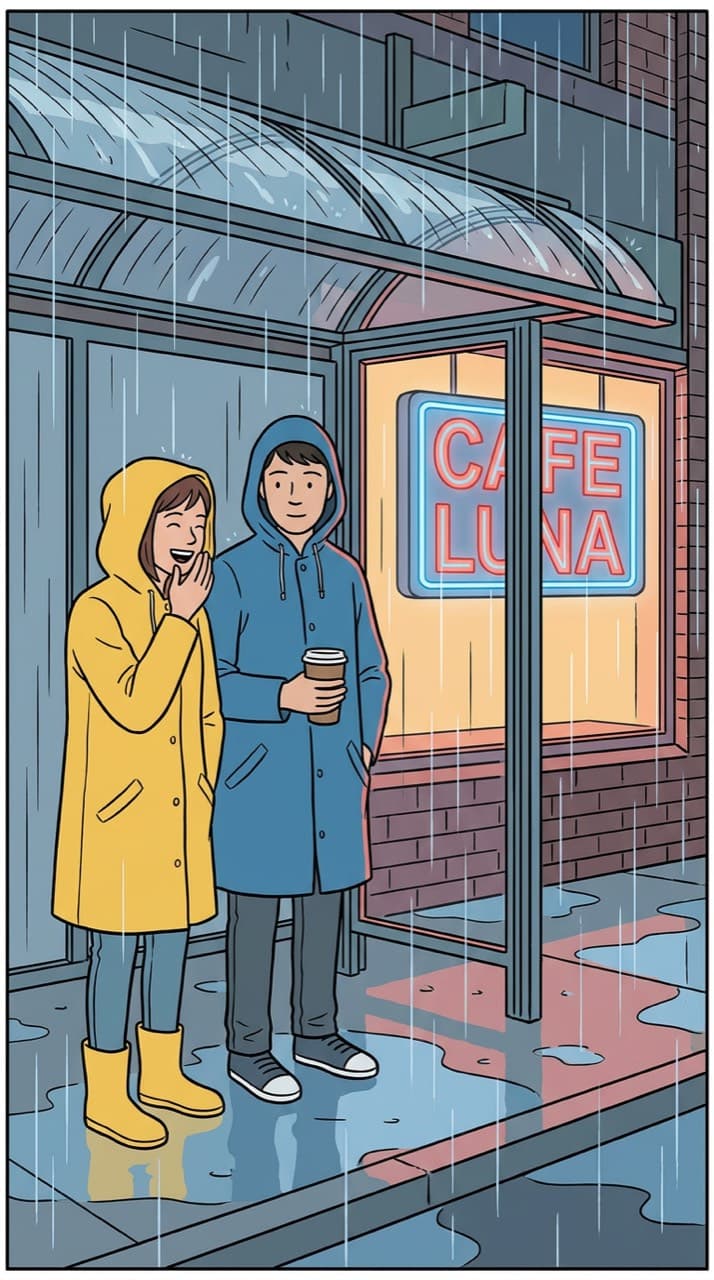
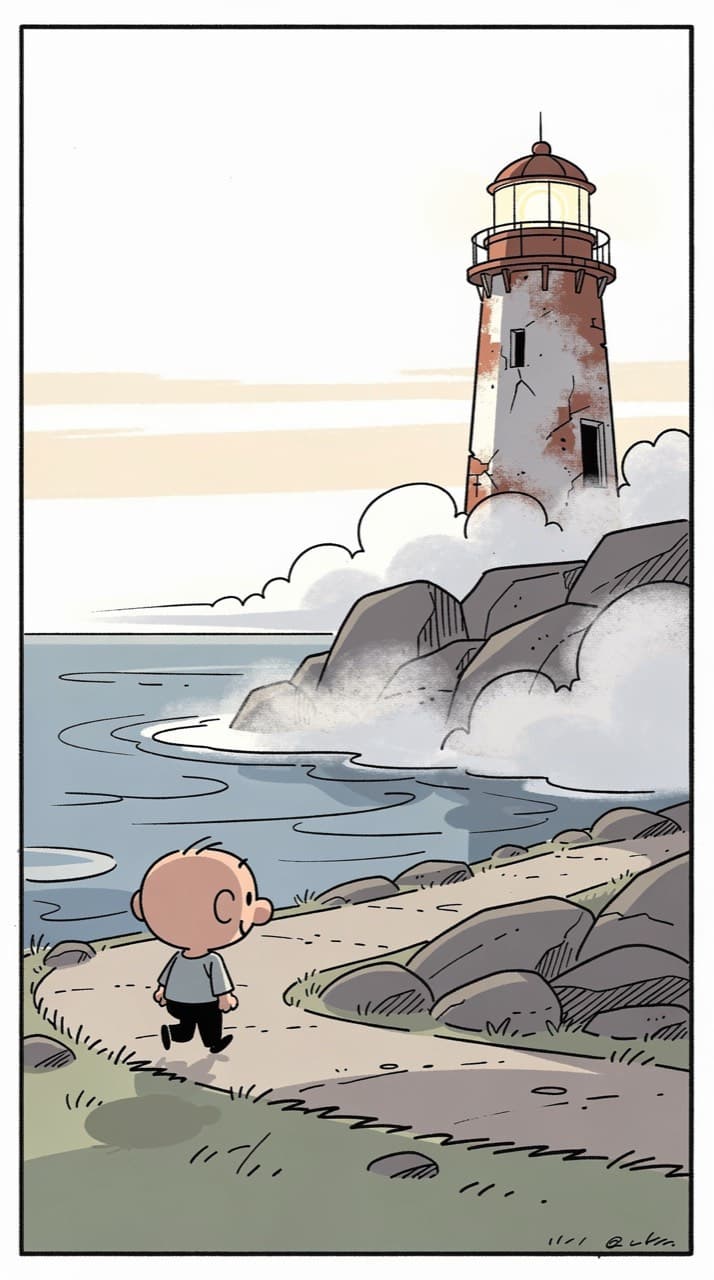
Golden Age Four-Colour for the topic that wants a hero, Ligne Claire for a clean, diagram-like page, Sunday Funnies for the little ones.
Give the lesson a cast — the drop of water, the legionary, the cell — each with a model sheet drawn from your words. Keep real students out of it; describe the characters and let the studio draw them.
Read the script before a panel is drawn — it's your lesson, so fix a fact there. Then download the finished issue to show on the whiteboard, or its panels with the captions for the handout.
Press start and the premise lands in the box of a new comic with its look already picked. Change every word, or the look, before anything is drawn.
A drop of water named Dot sets out from a mountain stream to reach the sea, and every issue she is somewhere new — a cloud, a root, a glass on a kitchen table — explaining how she got there.
In the Golden Age Four-Colour look
Start with this ideaA Roman legionary posted to the wettest fort on the edge of the empire writes home every issue about the wall he's building, the locals and the food, and gets most of it a little wrong.
In the Ligne Claire look
Start with this ideaOr in any of the twenty-eight. A comic picks one look on its second step, and every panel of every issue keeps it.

Check them. The writer works from what you put in the premise and each issue's brief, and you read the script before a panel is drawn, so a wrong fact is fixed before the class sees it.
Accounts are for people 13 and over. A younger class makes the comic with you at the keyboard, choosing the story together; older students can make their own.
Yes. Download the finished issue as a narrated video to show on the whiteboard, or as its panels in a zip with the captions for a handout. The comic is yours.