A grandfather tells his grandchildren about the winter of 1956, when he was twelve and the river froze solid, and the whole village walked across it to the town on the far bank for the first and last time.
In the Gekiga look
Start with this ideaA grandparent's story loses a little every time it's retold, and one day nobody is left to tell it. A comic keeps it: the winter, the village, the people drawn from their photos, told once in their words and kept for the grandchildren who'll want it later.
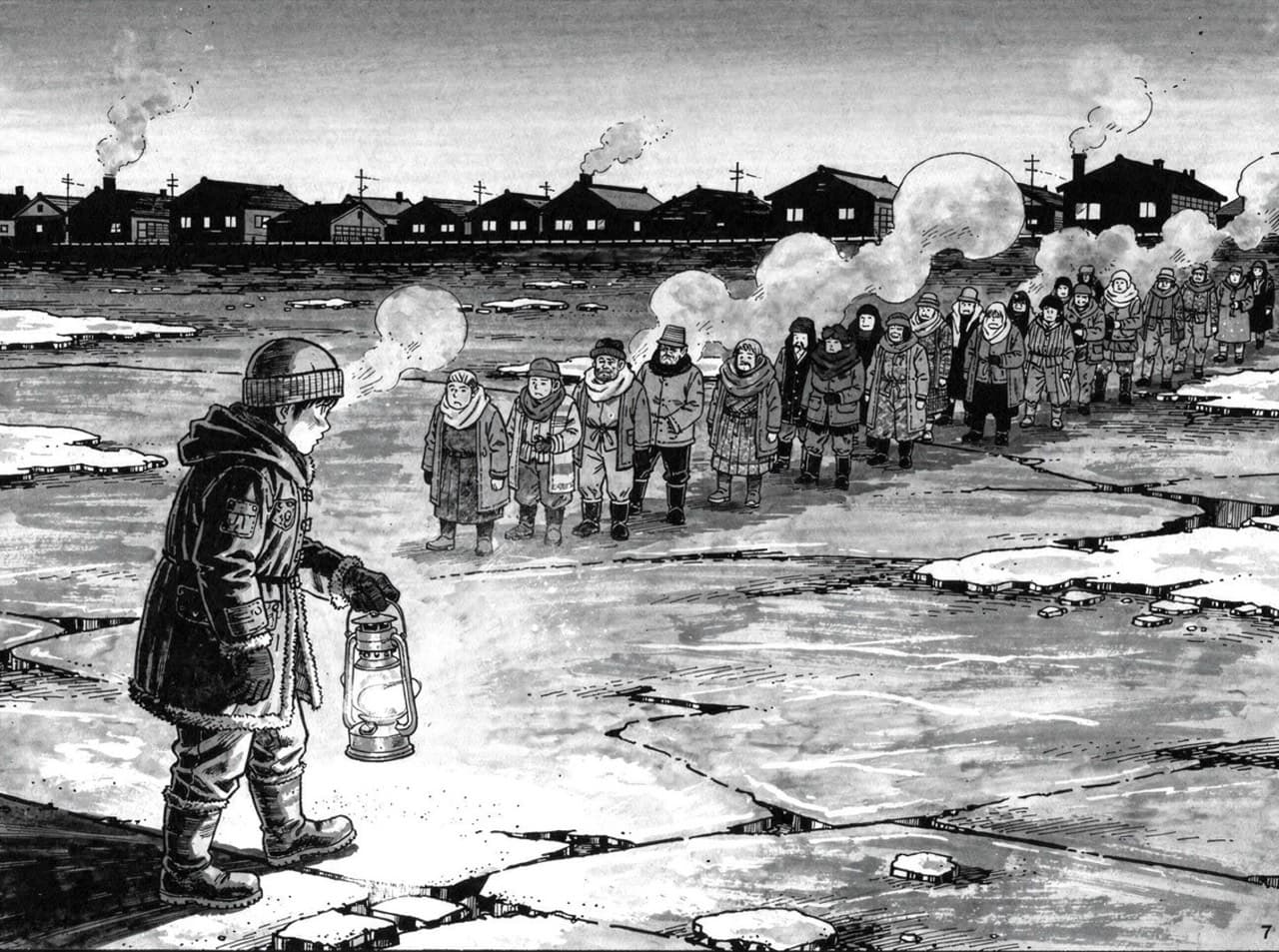
Write the memory the way they tell it, in their words if you can get them: where, the year, who was there, what happened. Choose Everyone as the rating on the first step so the grandchildren can read it.
Gekiga's gritty brush suits a hard winter, Minimal-Line Memoir keeps it quiet, Storybook Gouache makes it a bedtime story. The looks that suit your premise come first.
Give your grandparent a model sheet, drawn from a photo of them at the age the story happened, with their blessing — and the rest of the family can be the cast beside them.
Each issue tells the next part. Put the real events in the comic desk's ideas box, change any issue's brief before it's written, and download each finished issue to watch together.
Press start and the premise lands in the box of a new comic with its look already picked. Change every word, or the look, before anything is drawn.
A grandfather tells his grandchildren about the winter of 1956, when he was twelve and the river froze solid, and the whole village walked across it to the town on the far bank for the first and last time.
In the Gekiga look
Start with this ideaA grandmother who spent one summer as a telephone operator in a mountain hotel tells her grandchildren about the calls she listened in on — and the one she still wishes she hadn't answered.
In the Minimal-Line Memoir look
Start with this ideaOr in any of the twenty-eight. A comic picks one look on its second step, and every panel of every issue keeps it.
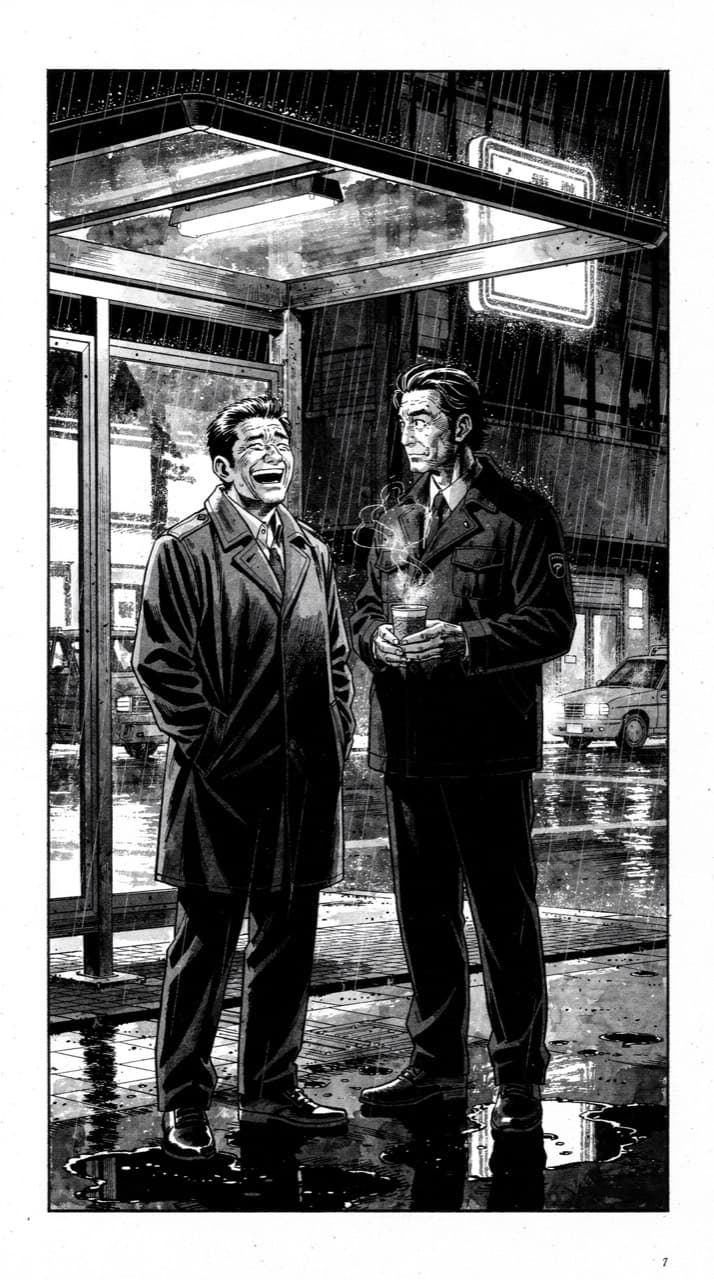
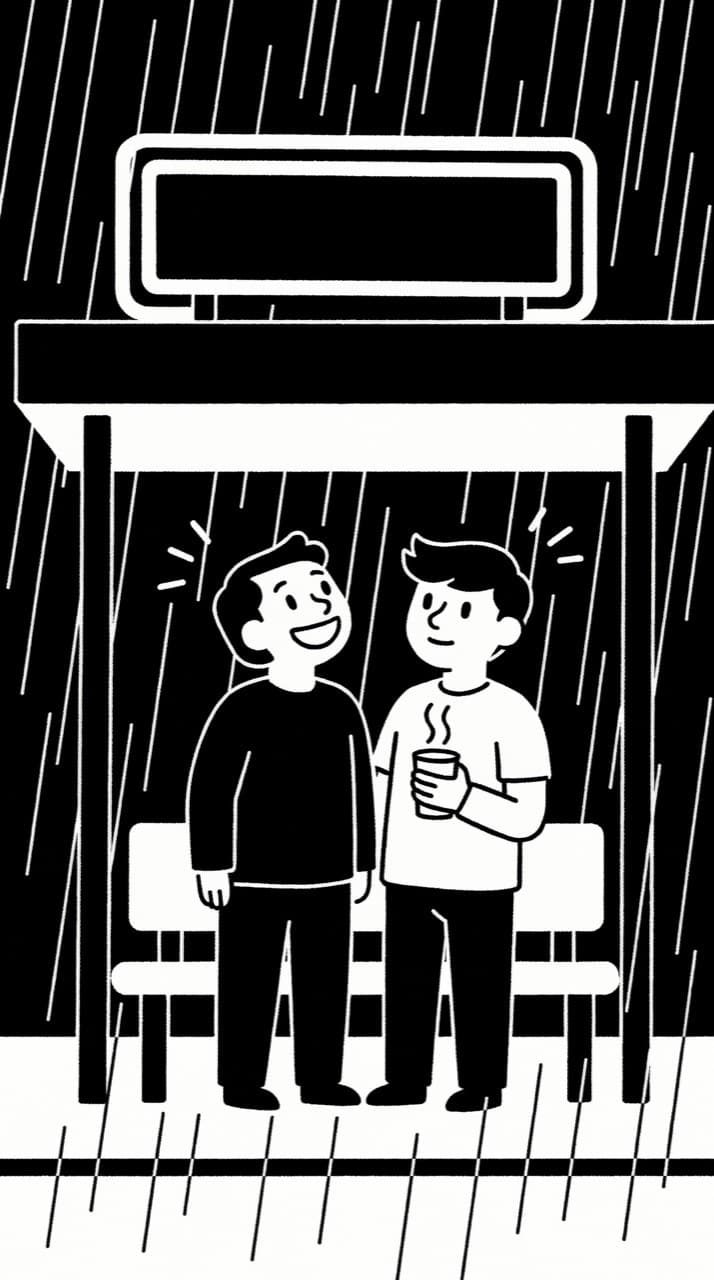
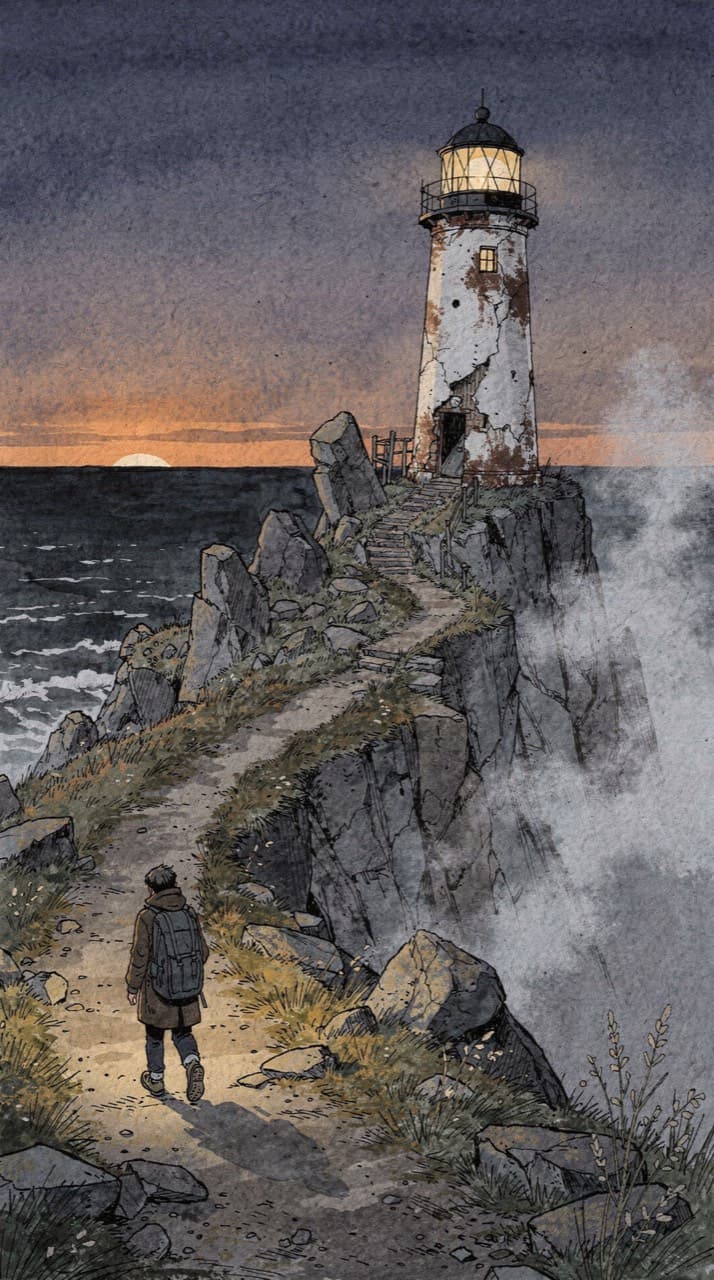
Yes, when the family has permission for the people in it. A photo from the time of the story works best: the model sheet is drawn from it in your look, and every panel of them from the sheet.
Give the writer what the family knows, as ideas in the comic desk, and the studio fills in the scenes between. You read the script before any panel is drawn, so a wrong detail never reaches the page.
Download the finished issue as a narrated video with music to watch together, or as its panels in a zip with the captions — or share it by link.