Every pet has a routine they take more seriously than anything you do. The breakfast alarm at the same minute every morning. The watch at the front window. The sock carried to the door like a trophy.
That routine is already a comic strip: the same character, the same situation, a new twist each time. Here's how to turn your dog or cat into the character, and the habit into the strip.
Start with the thing they do every day
The best pet comics aren't about a pet doing everything. They're about one pet doing one thing, again and again, as if the house depended on it. Newspaper strips have run for decades on exactly that. Make a short list:
- The job they've given themselves. Head of security at the front window. Inspector of every bag that comes through the door.
- The enemy. The vacuum cleaner, the bath, the cat next door, the recycling truck on Tuesdays.
- The ritual. Three spins before lying down. The dinner protest at a quarter to five.
- The face. The look they give you when you're late with dinner. That's your last panel.
Pick the one the family laughs about most. That's the premise, and the rest are later issues.
Write the premise the way you'd describe them to a friend
The premise box on the first step wants a paragraph: who they are, what they do, and why it matters so much to them. Use their real name. One from the dog or cat page shows the size:
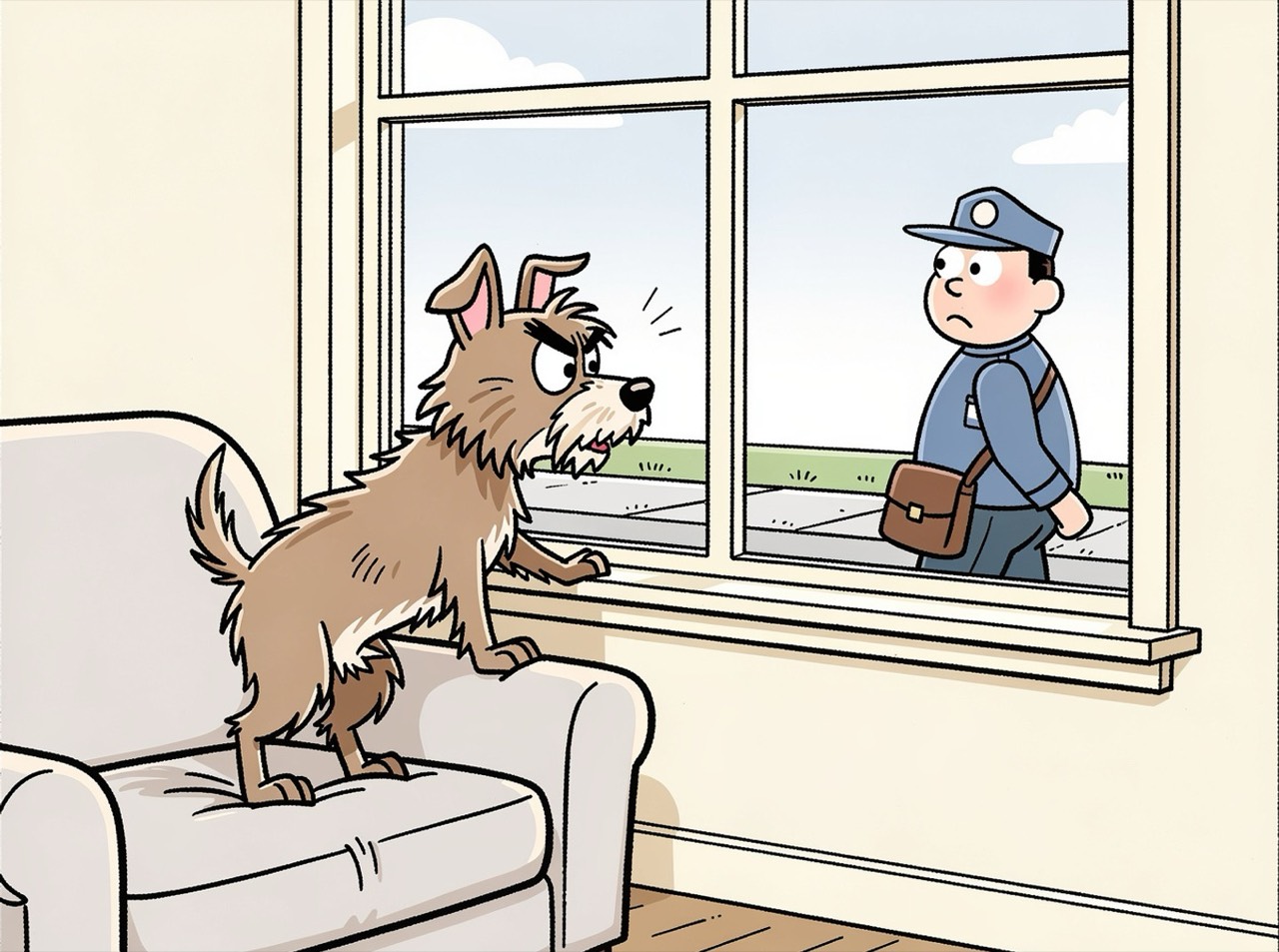
Biscuit, a scruffy terrier with one ear that won't stand up, appoints himself head of security for the whole street — and every issue a new suspect walks past the front window.
That premise keeps going. The job stays the same and the suspect changes. A cat works the same way: an orange cat who has decided the new baby is her apprentice can teach it one more of the house's secrets every issue.
Choose the rating on the same step. Everyone keeps it gentle enough for the kids to read along.
Put your pet on the cast with a photo
Your pet gets a model sheet on the cast, like any character. Add a photo, confirm it's yours to use, and the studio writes a description of them from it: the breed, the coat colours, the exact markings, the one detail that makes them them. Edit anything it got wrong. Then it draws their sheet in your look, and every panel of your pet is drawn from that sheet.
The photo that works best is a clear one of your pet on their own, in good light, showing their face and coat. Not the blur from the middle of a zoomie. Check that the description names what you'd notice first: the floppy ear, the white socks, the patch over one eye. If the sheet misses, swap the photo or draw the sheet again before the comic is made. The rest of the household can join the cast too.
Pick a look with a sense of humour
The look is the drawing style, and the whole comic keeps it. Four that suit a pet:
- Sunday Funnies for the newspaper strip it already is: round, warm and mostly white space.
- Marcinelle Romp for rubbery slapstick, dust clouds and a chase over the furniture.
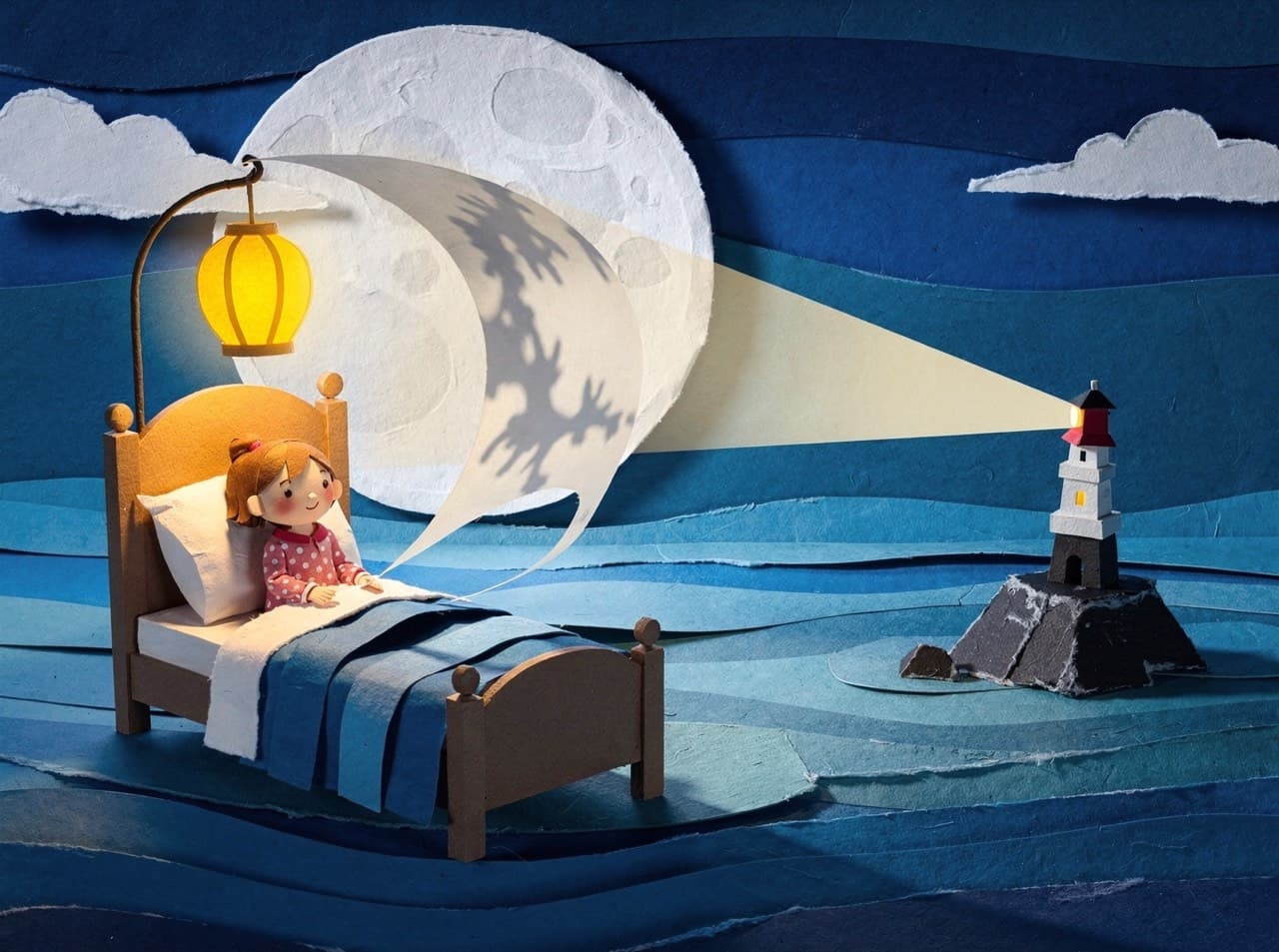
- Storybook Gouache for soft picture-book paint, if the kids are the readers.
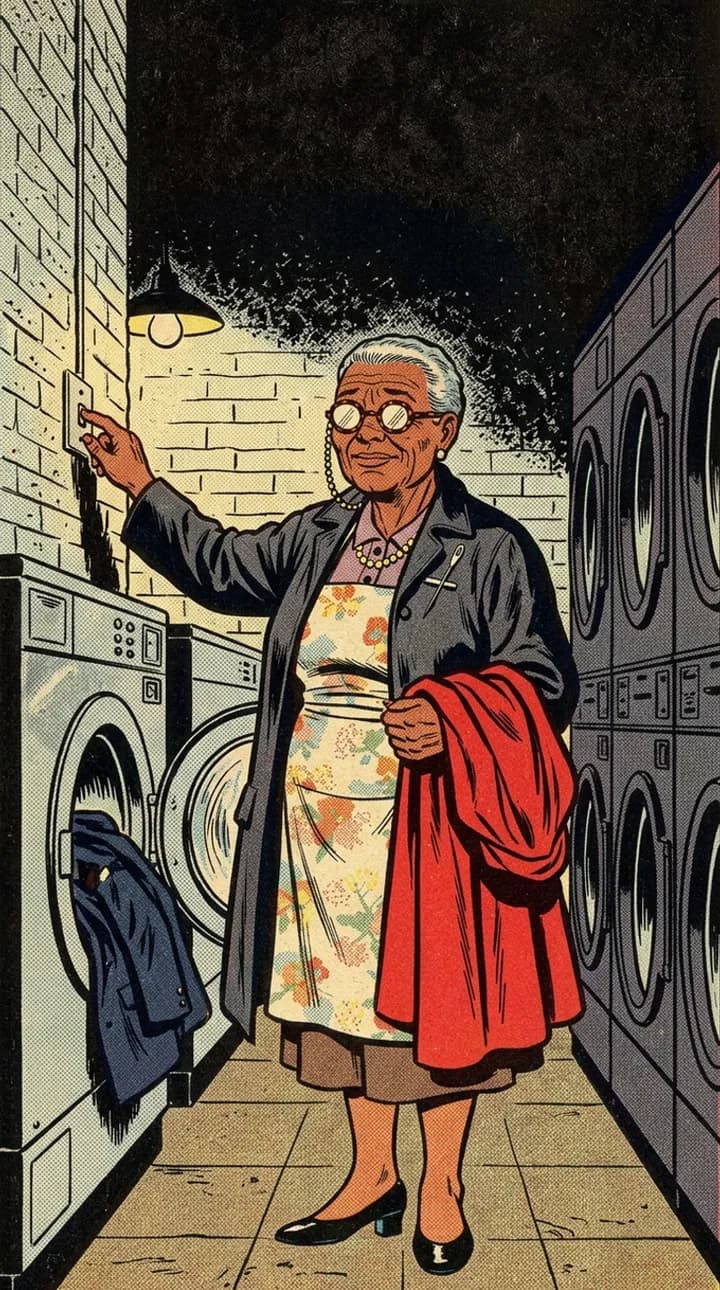
- Carved Noir for a black cat who is clearly running a crime ring from the laundry basket.
If the habit is the joke, the comedy ideas are built the same way: one character who never learns.
Turn the habit into issues
An issue is six to eight panels with one short caption each: room for one story. So the habit is the series, and each time it goes a little differently is an issue. The day the mail carrier came in a new hat. The day the vacuum came out with no warning. The day the parcel was for the dog.
Give the writer the real story. The studio writes the script first, and you read it before a single panel is drawn. Check the name, the habit and the face they pull, and change any caption that doesn't sound like your house. When the panels come in, ask for another take on any that miss.
When the next story comes to you, drop it in the comic desk's ideas box and the studio turns it into the next issue. How to start a webcomic you'll still be making in a year says more about the thing that comes back every issue.
If you're making it for a pet who's gone
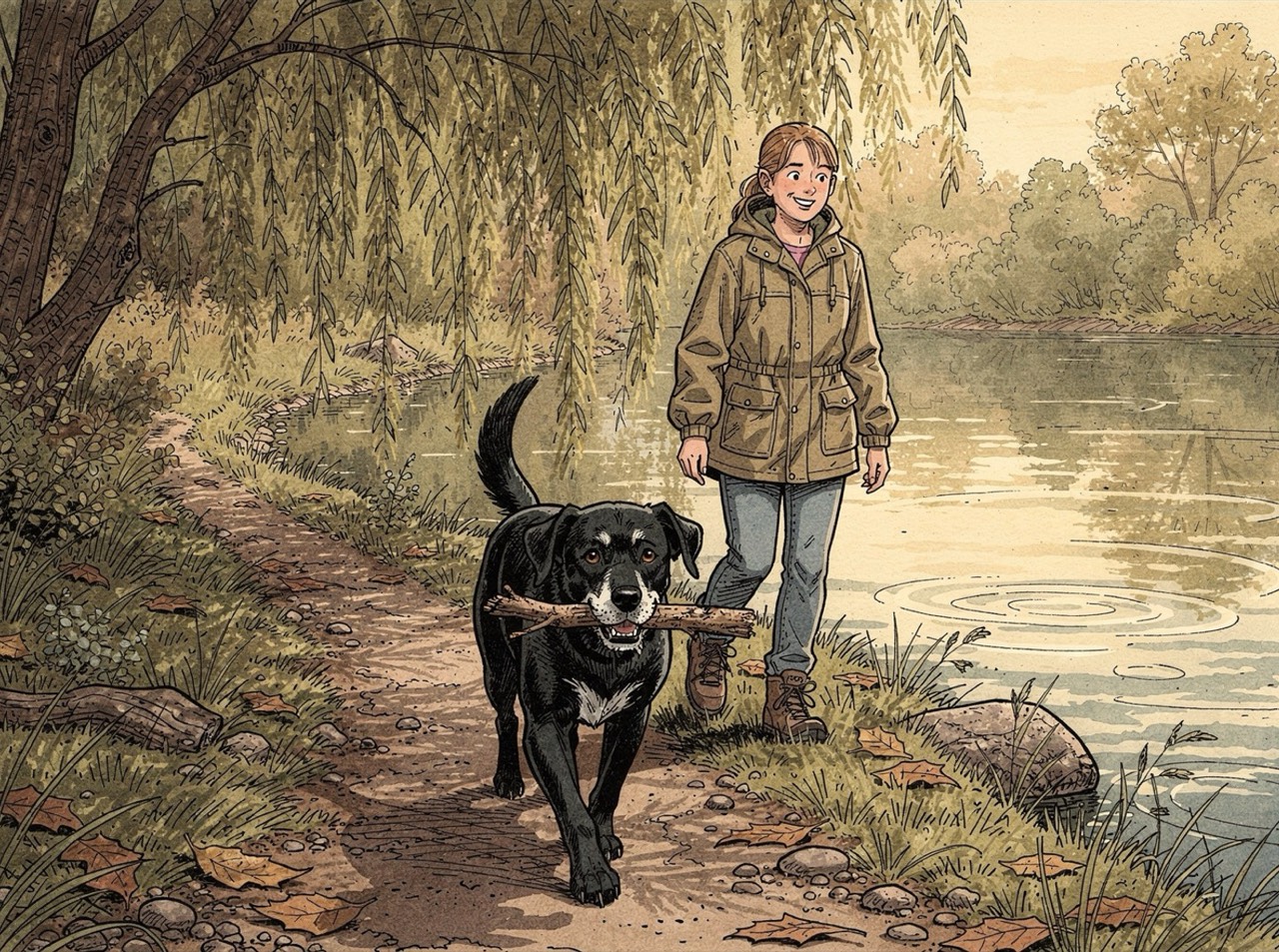
Some of the best pet comics get made afterwards. The pet memorial page works the same way in a softer look, like Woodland Fable: one good photo for the sheet, then the walks, the thefts and the stick they always carried home, one story an issue. You read every script before it's drawn, so it's only as sad as you write it.
Share it, and print the best one
Turn on "Share this issue" and the finished issue gets its own page: every panel, its caption and the narration read aloud, on any phone, no account needed. "Download the panels" gives you a zip of every panel, plain and with its caption lettered in. The best one goes on the fridge.
What it costs
An issue on a standard look runs about 20 credits, and all five looks above are standard. A new account starts with 35 credits, enough for your first issue on a standard look, and they last 14 days.
Make your first issue and give your pet the strip they've been acting out for years.