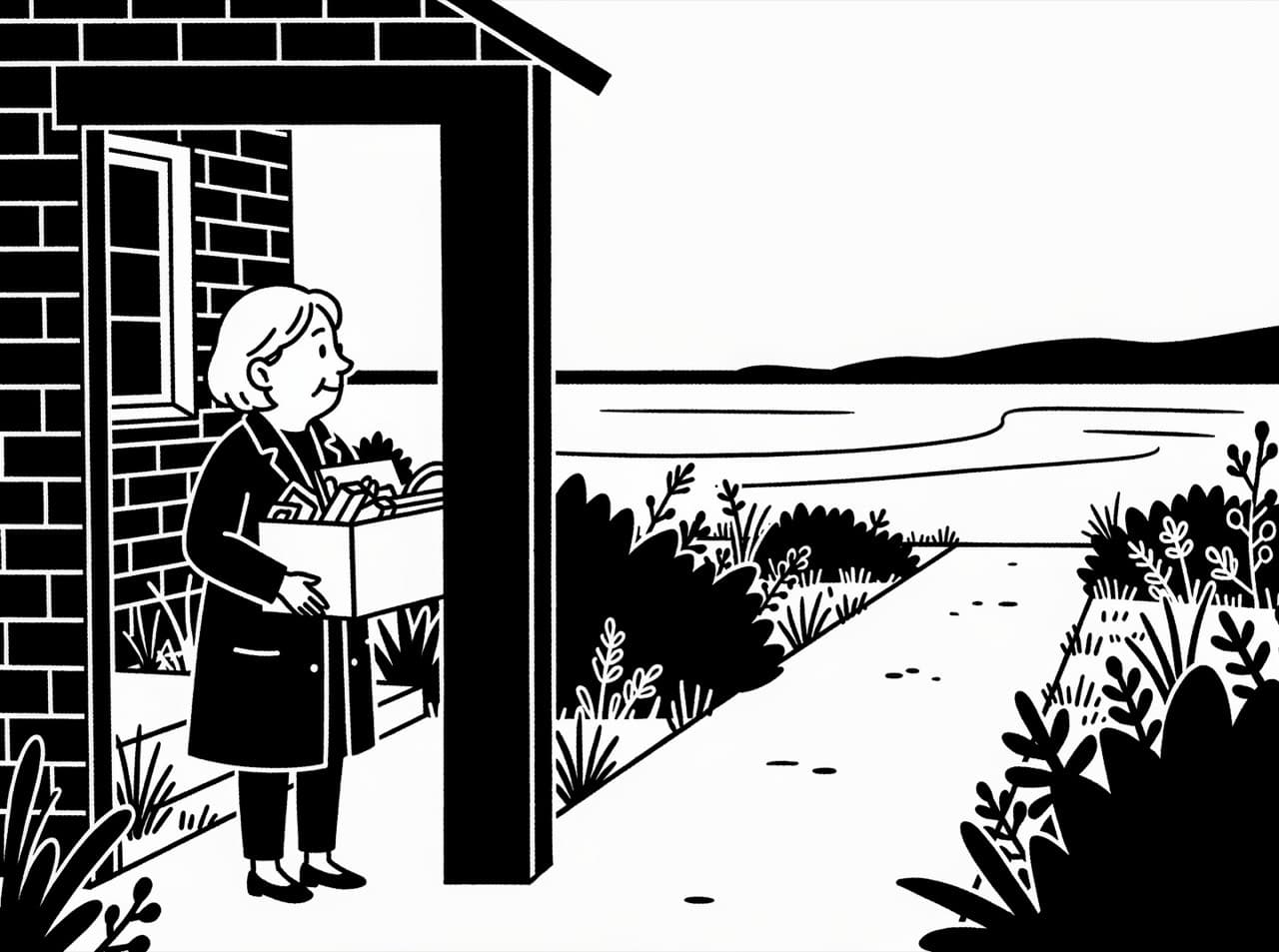
You come home from a trip with four hundred photos, and none of them is the trip. The train you missed isn't in there. Neither is the meal nobody could name, or the man who walked you to the hotel because the map was wrong. Those are the parts you tell people about, and nobody photographs them.
A comic keeps them. Not a comic of the whole trip; that's the same mistake as the four hundred photos. One day, in one place, an issue.
Why one day and not the whole trip
A comic issue is six to eight panels, about the size of one day that went somewhere: the morning you set out, the thing that went wrong, how it ended. Two weeks squeezed into eight panels is a list of cities, and a list isn't a story.
So the trip is a series, and each issue is a day or a stop. The day of the wrong train. The night market. The hour in the closed diner's car park. How long is a comic issue shows how the beats fit; a comic about your own life works the same way, one memory an issue.
Pick the day something went wrong
The day everything went to plan is a nice photo. The issue is the day the plan broke, and the days sort themselves:
- The one you tell first. Whatever you lead with at dinner parties is issue 1.
- The one with a stranger in it. The waiter, the ferryman, the woman at the next table who knew the way.
- The one where you were lost. Lost is where the trip stops being an itinerary and becomes yours.
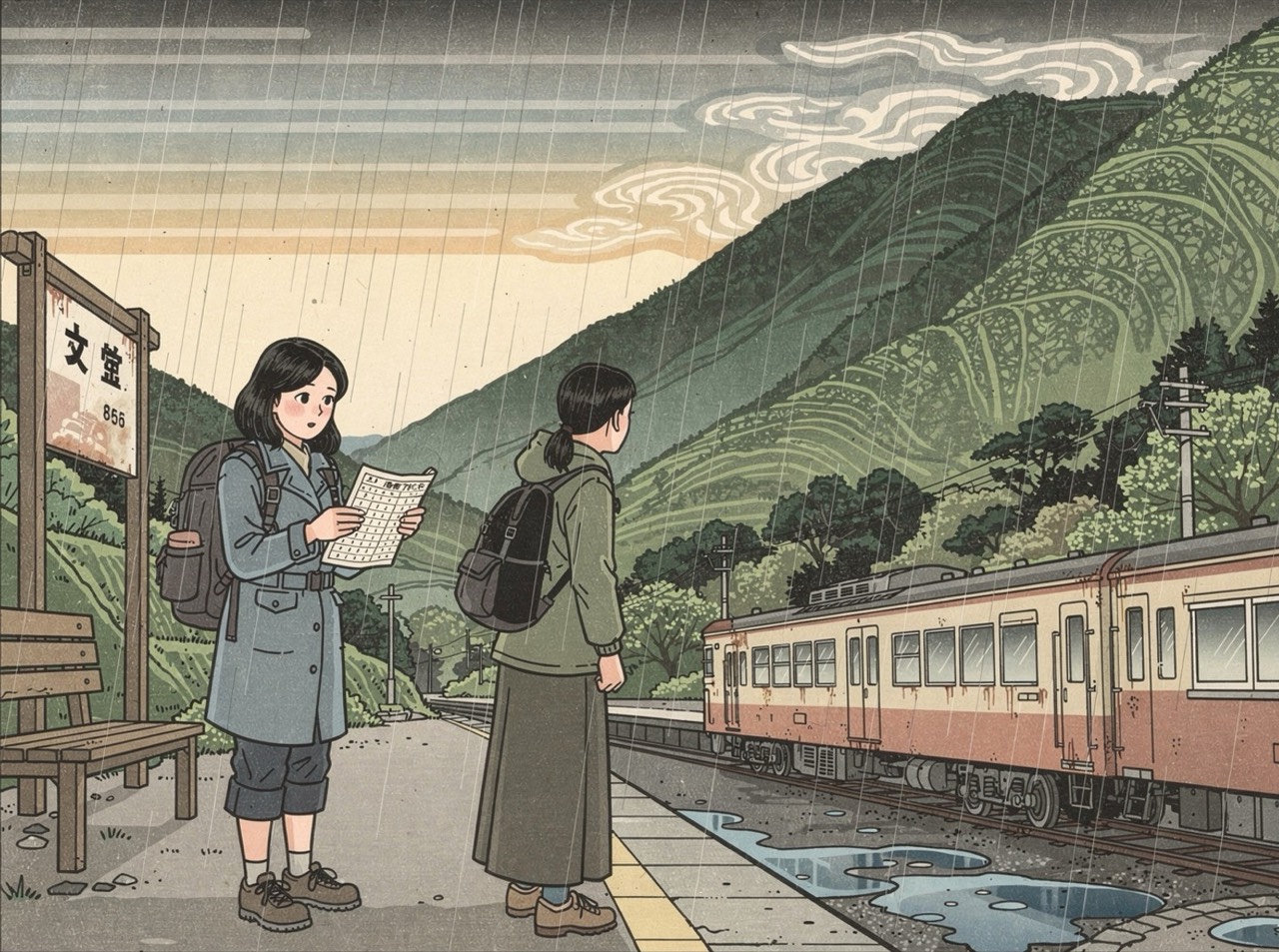
Open the issue when the day has already slipped. Not at breakfast, and not at the moment of disaster: the first panel is the two of you on the platform as the timetable stops making sense. How to start a comic is about that first panel.
Write down what the photos missed
Before you forget, list what you can still see for each day you want to draw: what you ate, what the sign said, the exact words of the stranger. Not how it felt. A panel can show a timetable in the rain. It can't show "a stressful afternoon".
Those details become the captions. A narrated comic has no speech balloons, so each panel gets one caption of about eighteen words, and the trick is that the picture is you there and the caption is you now, at home, who knows how the day ended. The panel shows two of you squinting at the timetable; the caption says The last train, it turned out, was the one leaving behind us.
The people who came with you
A trip comic stars the people who were in it, and they have to look the same in every panel. The studio draws each traveller from a photo onto a model sheet, and every panel follows that sheet; the hat they wore the whole trip stays on. Before any photo goes in, the studio asks you to confirm you have the right to use it and the permission of the person in it, every time. The people you met along the way get a name and a description in words, and are drawn from that. Keeping a character consistent covers what must not change.
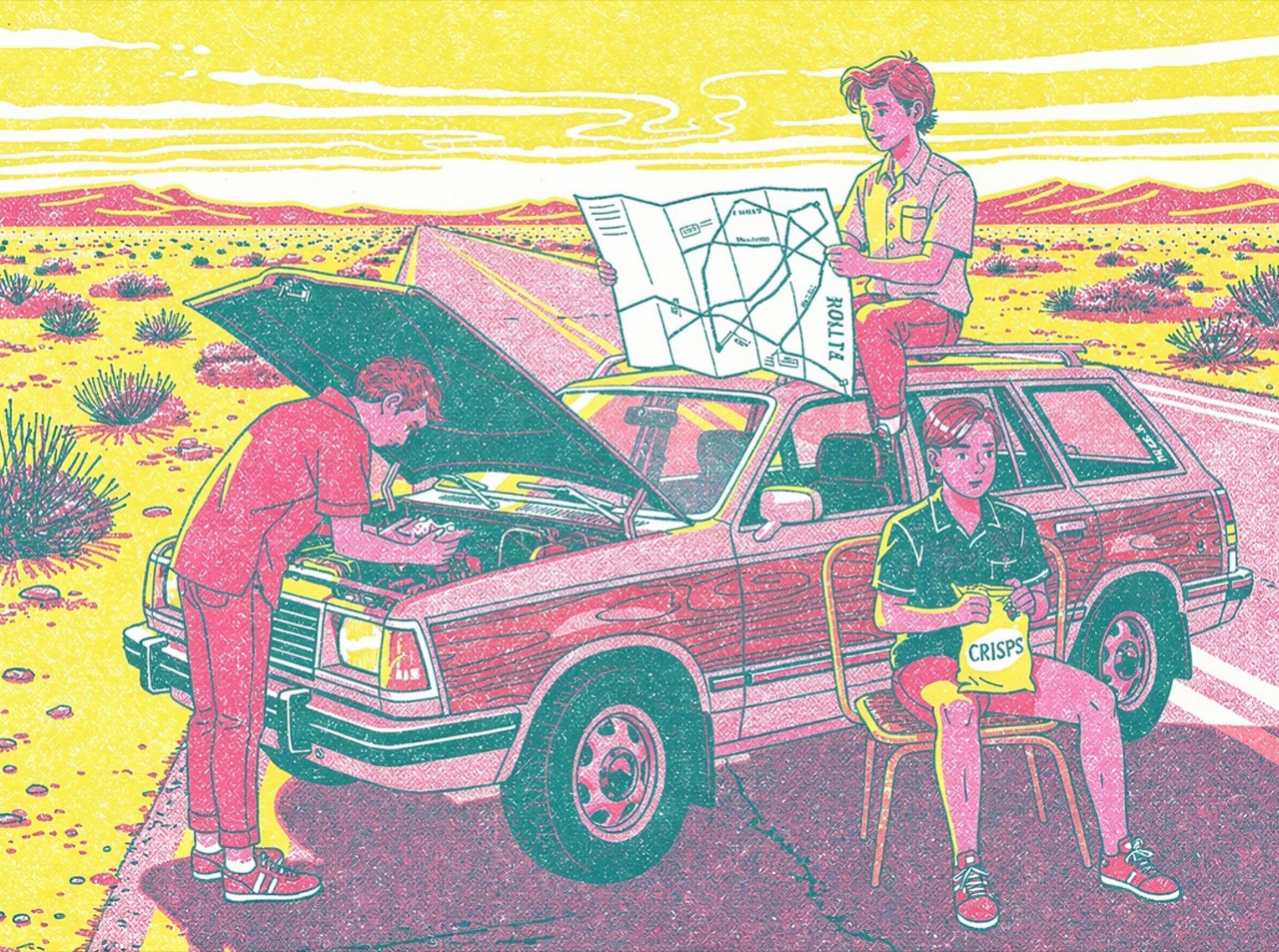
On a road trip the car is a traveller too. Put it in the premise and it is the same car at every stop, which matters when every stop is the car refusing to start.
Making it as you go, or when you're home
As you go. On the comic desk, "add an idea by hand" is free: a title and what happened, in your own words, from your phone in the hotel that night while you still remember what the waiter said. Each idea becomes an issue's brief, waiting on the desk when you get back.
When you're home. Write the trip up one day at a time, starting with the day you most want to see drawn. They don't have to be in order.
Either way, the writer drafts six to eight panels and you read the script before anything is drawn: every caption and picture description on the storyboard, free to change. If the writer has the waiter saying something he never said, fix it there. Everyone is the rating chosen to start, and most trips stay there; Teen allows a worse night out.
A look that suits the journey
The look is the drawing style, and the whole comic keeps it. Four suit a trip:
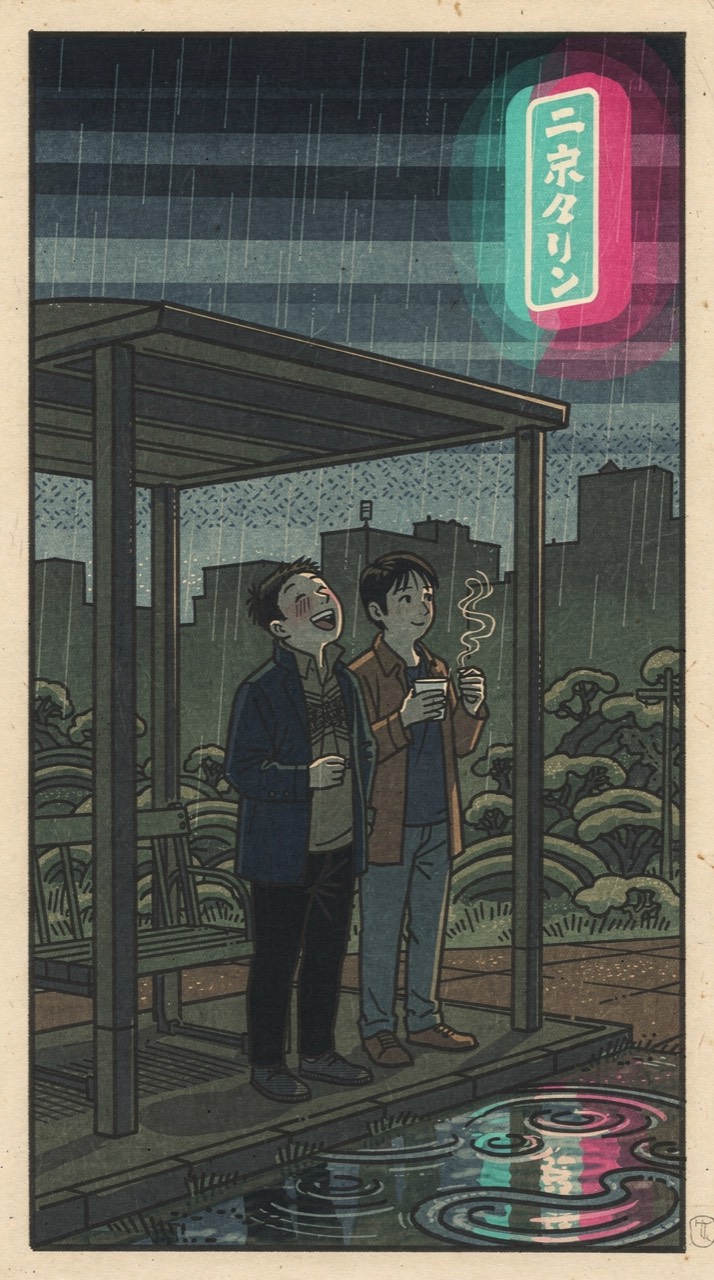
- Floating World for a journey told in woodblock, rain and all.
- Ligne Claire for the classic travel comic, clean lines and flat colour.
- Sunday Funnies for a family holiday that never quite went to plan.
- Risograph Zine for the zine you would have made about it at the time.
Where to start
The travel comic page has premises to borrow, like two old friends crossing a country by local trains only, each issue the one stop where the timetable changes the plan. For the car and the people in it, the road trip page. The cosy and slice-of-life ideas show how small a day can be and still be a story, and how to write a comic script shows what to write down if you'd rather hand the studio your own.
What it costs
An issue on a standard look runs about 20 credits, and three of the four looks above are standard. Ligne Claire is premium, about 25 credits an issue. A new account starts with 35 credits, enough for your first issue on a standard look, and they last 14 days. Adding days to the desk as you travel costs nothing; credits go when an issue is drawn.
Make your first issue: one day, one place, and the train you missed.