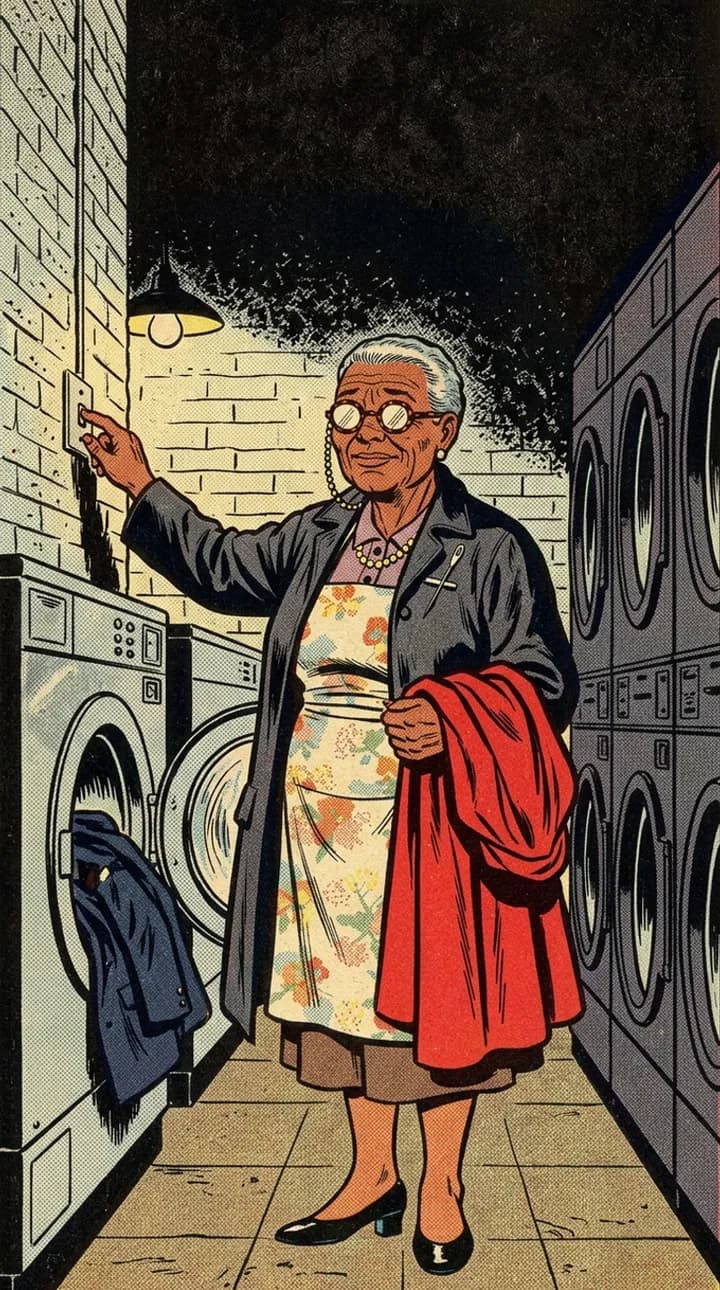
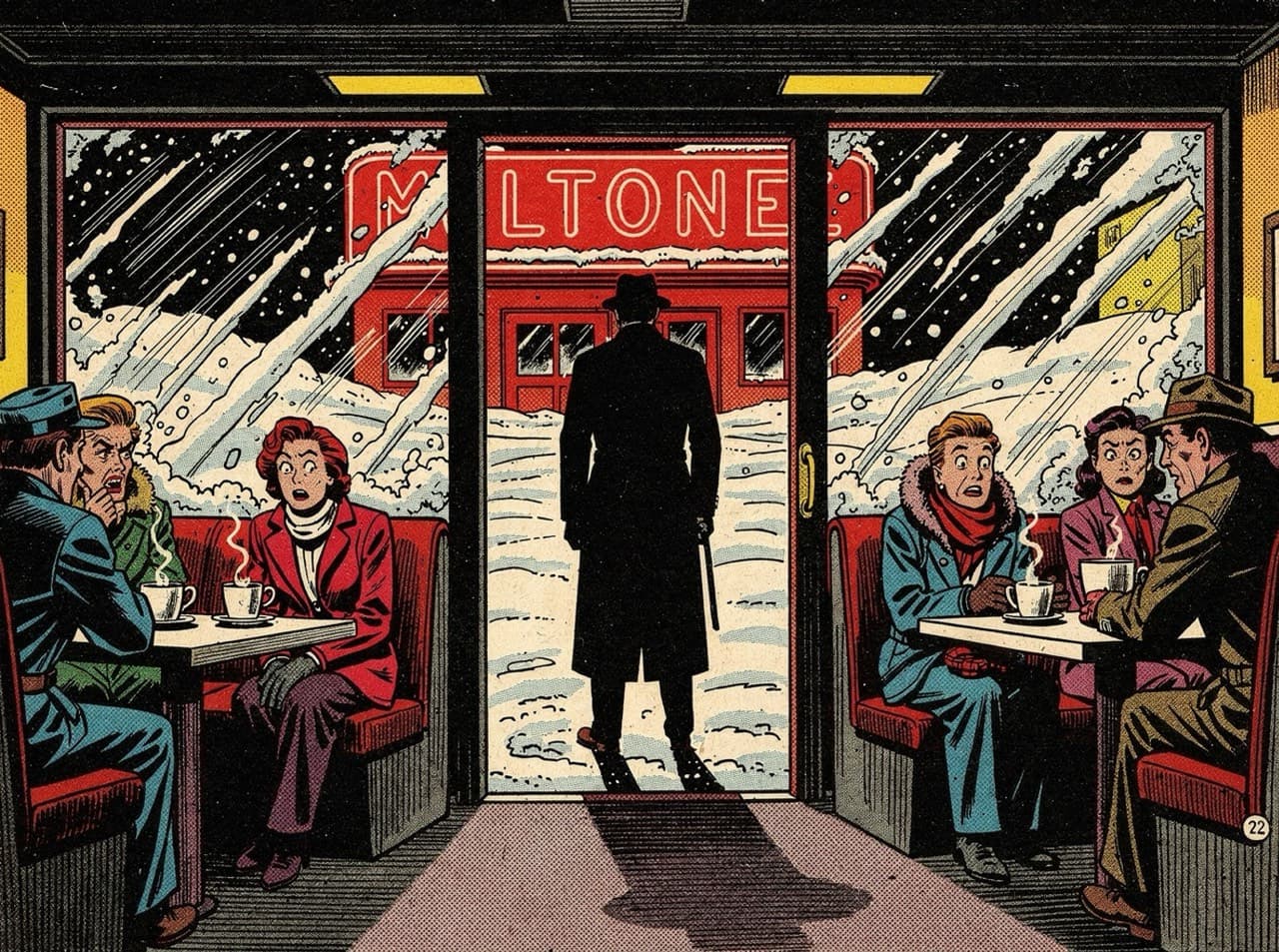
Every parent knows which bedtime story gets asked for most. It's the one with them in it: the night they fought the dragon, the day the bath became a sea. You make it up on the spot, you forget half of it by morning, and the next night they want it again, exactly the same.
A comic fixes that. Your child, drawn from a photo, as the hero of a story that stays the same every night. Here's how to make one that works at bedtime.
Start from the story they already ask for
You don't need a new idea. Write down the one you keep telling:
- Who they are in it. A knight, a captain, a detective, or just themselves with a torch.
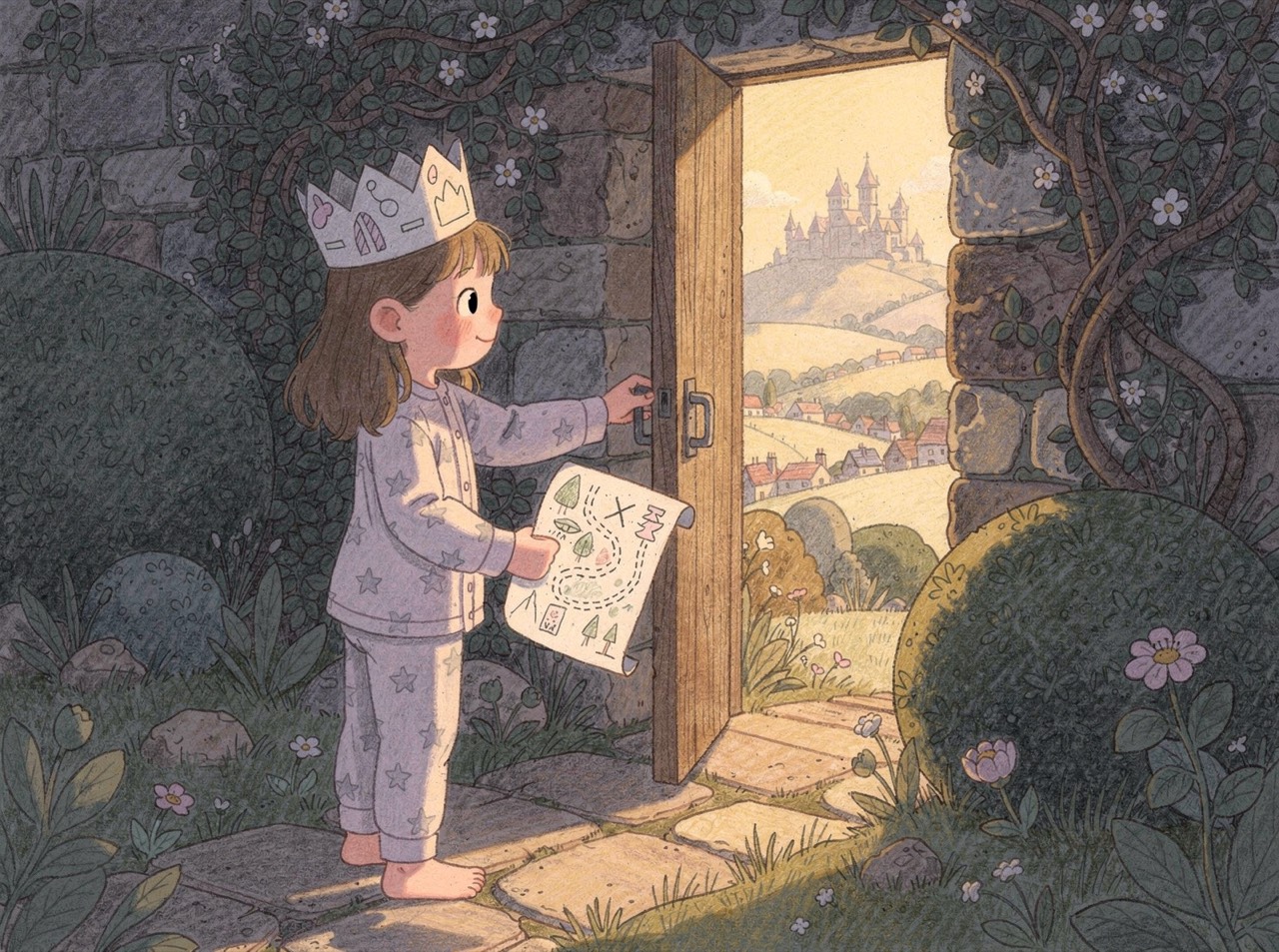
- Where they go. The bed that sails out of the window; the garden with a door in the wall.
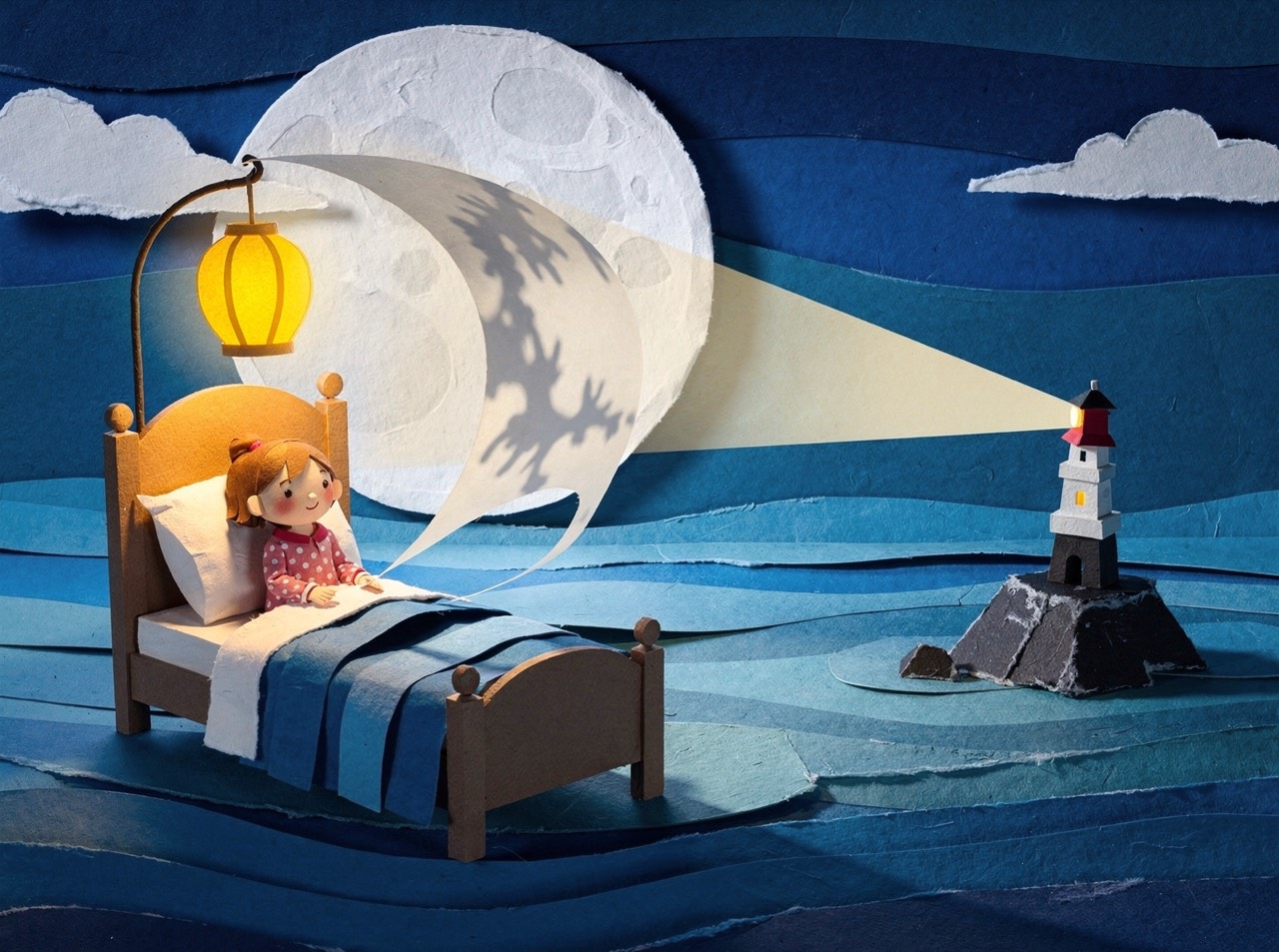
- The one small problem. A star is missing. The lighthouse has gone dark. Only someone their size can fix it.
That's a premise. Write it the way you'd say it out loud, with their name in it. The studio works out who the story follows, offers looks that fit, then drafts the comic's plan: its name, who's starring, the world and how it's told. You can change every piece.
Bedtime wants a shape, not a plot
A bedtime story has one job: to end calm. The panels that work at bedtime follow a shape you can lean on every night.
- Lights out, and off they go. The first panel is the bed, the window, the start of the journey.
- The small problem. Something is wrong in the place they arrive, and it's never frightening.
- They fix it. With a trick only they know, or a kind word.
- Home, and asleep. The last panel is the bed again, and the last caption is quiet.
An issue is six to eight panels, and the writer settles the number from your story: short enough for a child who's already yawning. How long is a comic issue shows how the beats are counted. Each caption is read aloud, so keep it the way you'd say it with the light off.
Rate it Everyone, and read it first
Everyone is the rating chosen to start, and for a bedtime comic you leave it there: warm, nothing frightening, nothing that keeps anyone awake.
You also read every script before a panel is drawn. If the villain is a shade too scary, or the ending isn't quiet enough, change the caption then. Nothing reaches the bed that you haven't seen.
Put them in it
This is the part they'll care about. Add a photo of your child to their card on the cast, and they're drawn in the look you pick, the same small hero in every panel. Pyjamas, the hair that sticks up, the one tooth missing: all of it stays.
Two things to know first:
- A grown-up makes it. Accounts are for people 13 and over, so a parent makes the comic and shares it. The child picks the story; you drive.
- The photo has to be yours to use. Before any photo goes in, the studio asks you to confirm you have the right to use it, and permission from anyone in it. For your own child that's one quiet tick, asked every time.
The stuffed animal and the dog can join the cast too, from a photo or your words alone. Keeping a character consistent explains how the studio holds a face the same from panel to panel, which matters more to a four-year-old than to anyone.
A look soft enough for the dark
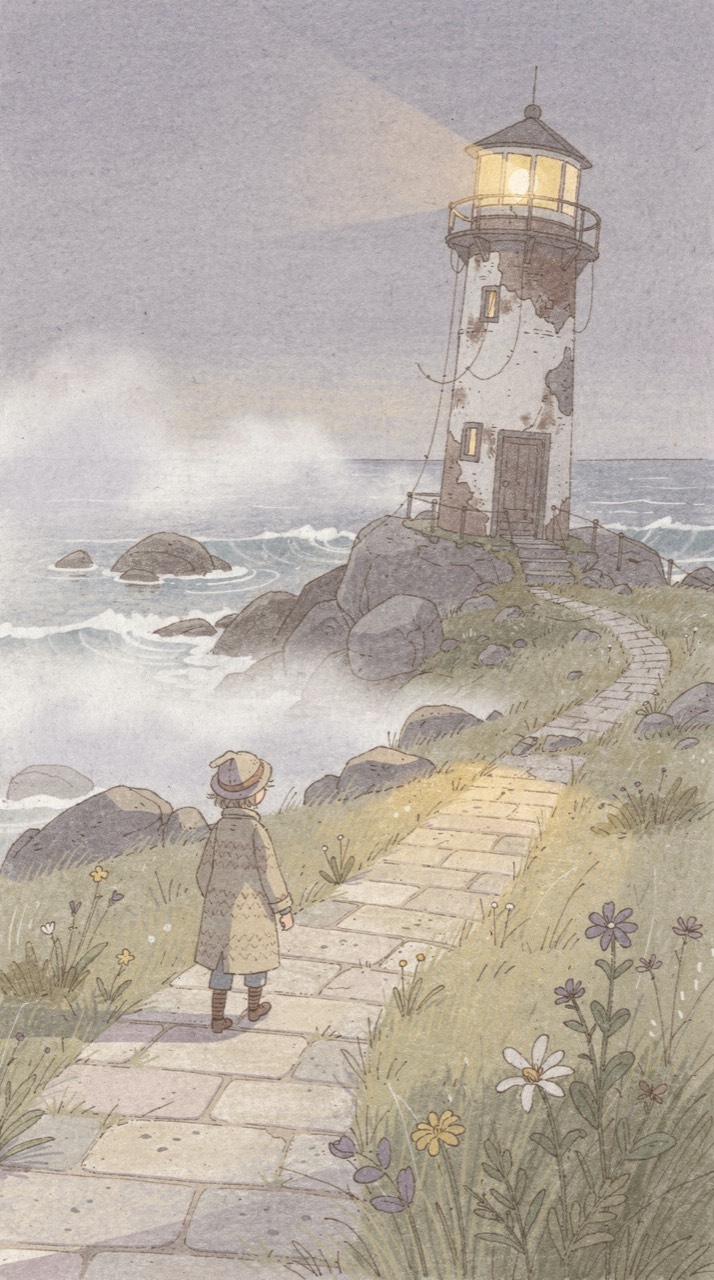
The look is the drawing style, and the whole comic keeps it. Four suit a bedtime story:
Pick the one that looks like the books on their shelf.
Play it with the light off
A finished issue is narrated with music, so when your voice gives out the narration carries on. Or download the panels with their captions and do the voices yourself.
Better still, do the voices once and keep them. Once the panels are approved, each panel's narration has a "read it yourself" button. Your recording takes the studio narrator's place in that panel of the video, and recording is free. Your own voice, for the nights you're not there to tell it.
Tomorrow night's story
A bedtime comic isn't one story. It's a series with the same small hero, and your child gets to say what happens next.
On the comic desk, "add an idea by hand" is free: a title and what happens, in your words or theirs. The dragon comes back. The island gets a slide. Each one becomes the next issue's brief, you read the script, and there's a new story the night it's wanted.
Where to start
The bedtime comic page has premises to borrow, like the boy who can't sleep until he's counted every star and finds one missing. If there's a birthday coming, the birthday comic page turns the same hero into a party, and a personalized comic book as a gift covers the giving. The fantasy ideas show how big a small world can get.
What it costs
An issue on a standard look runs about 20 credits, and all four looks above are standard. A new account starts with 35 credits, enough for your first issue on a standard look, and they last 14 days.
Make your first issue: their name in the first caption, and a story that ends asleep.