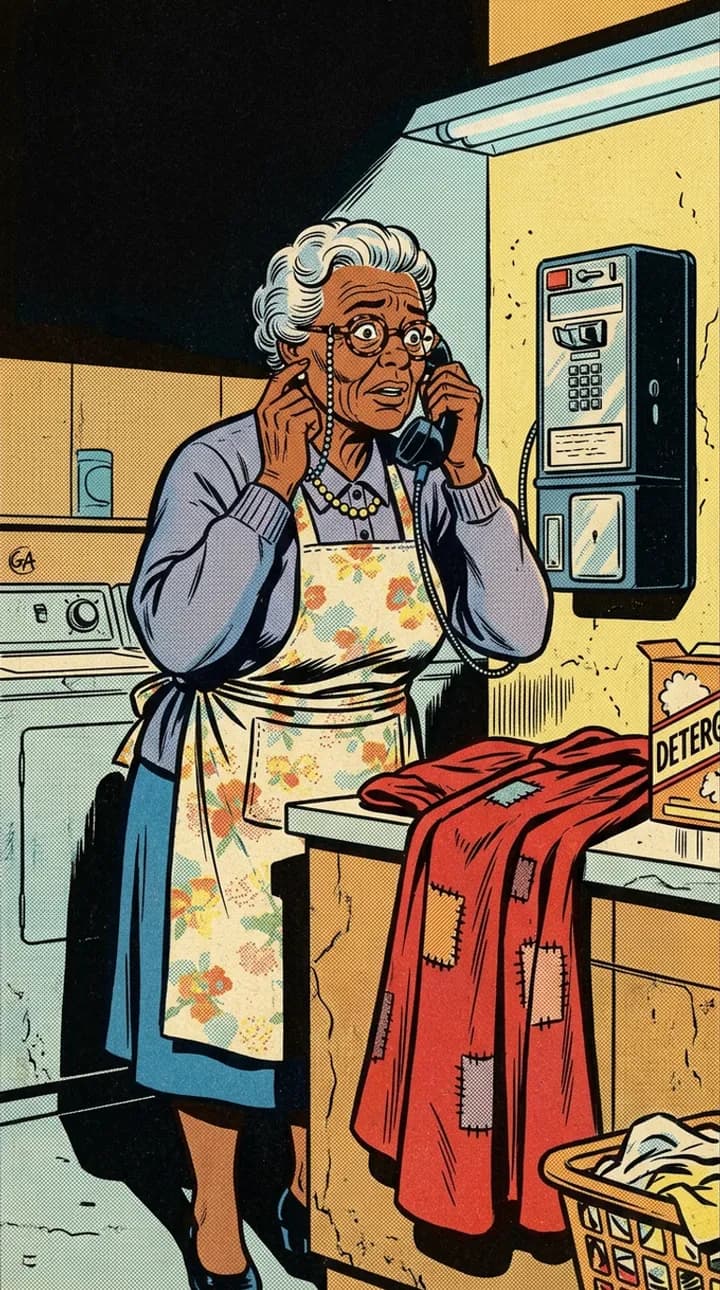
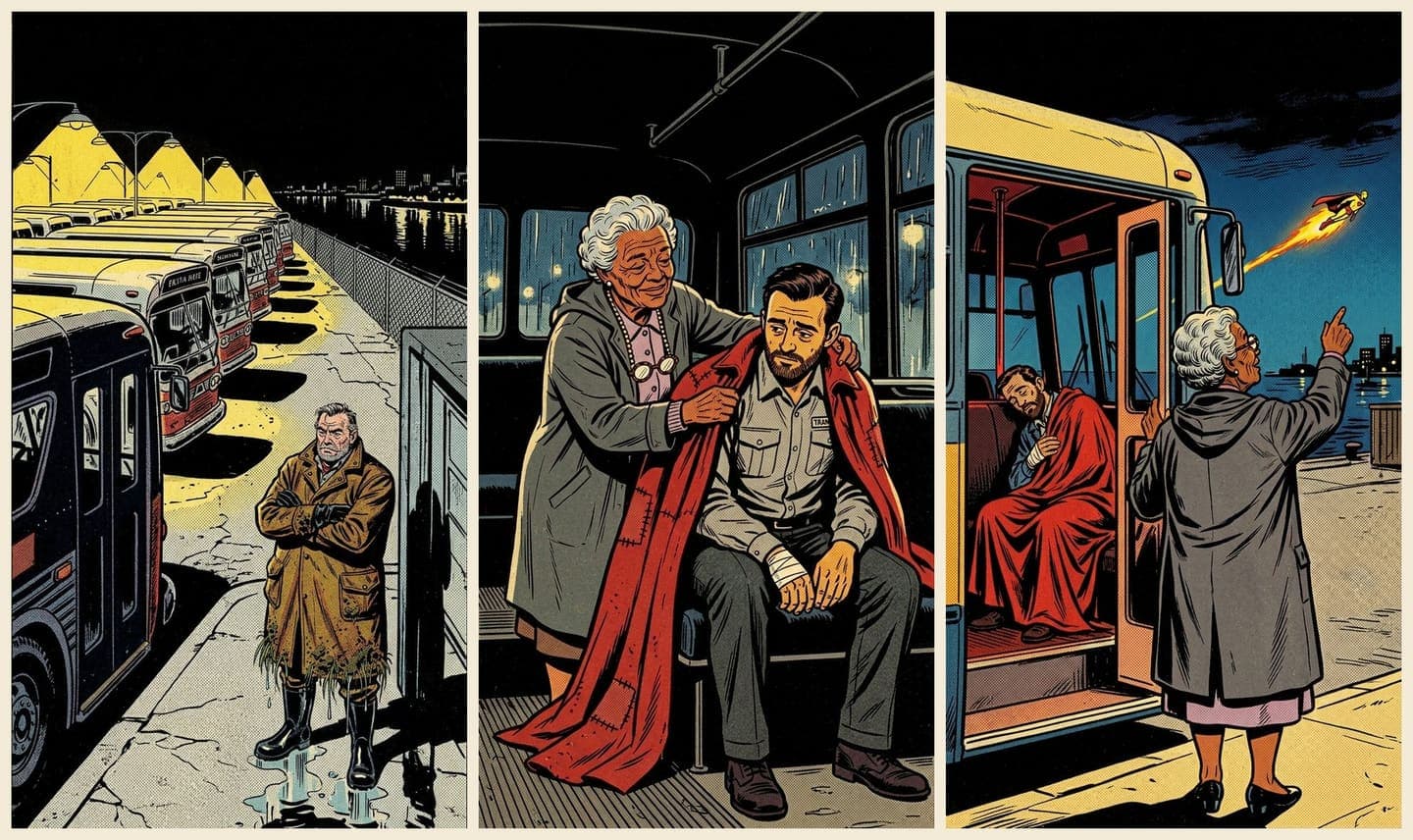
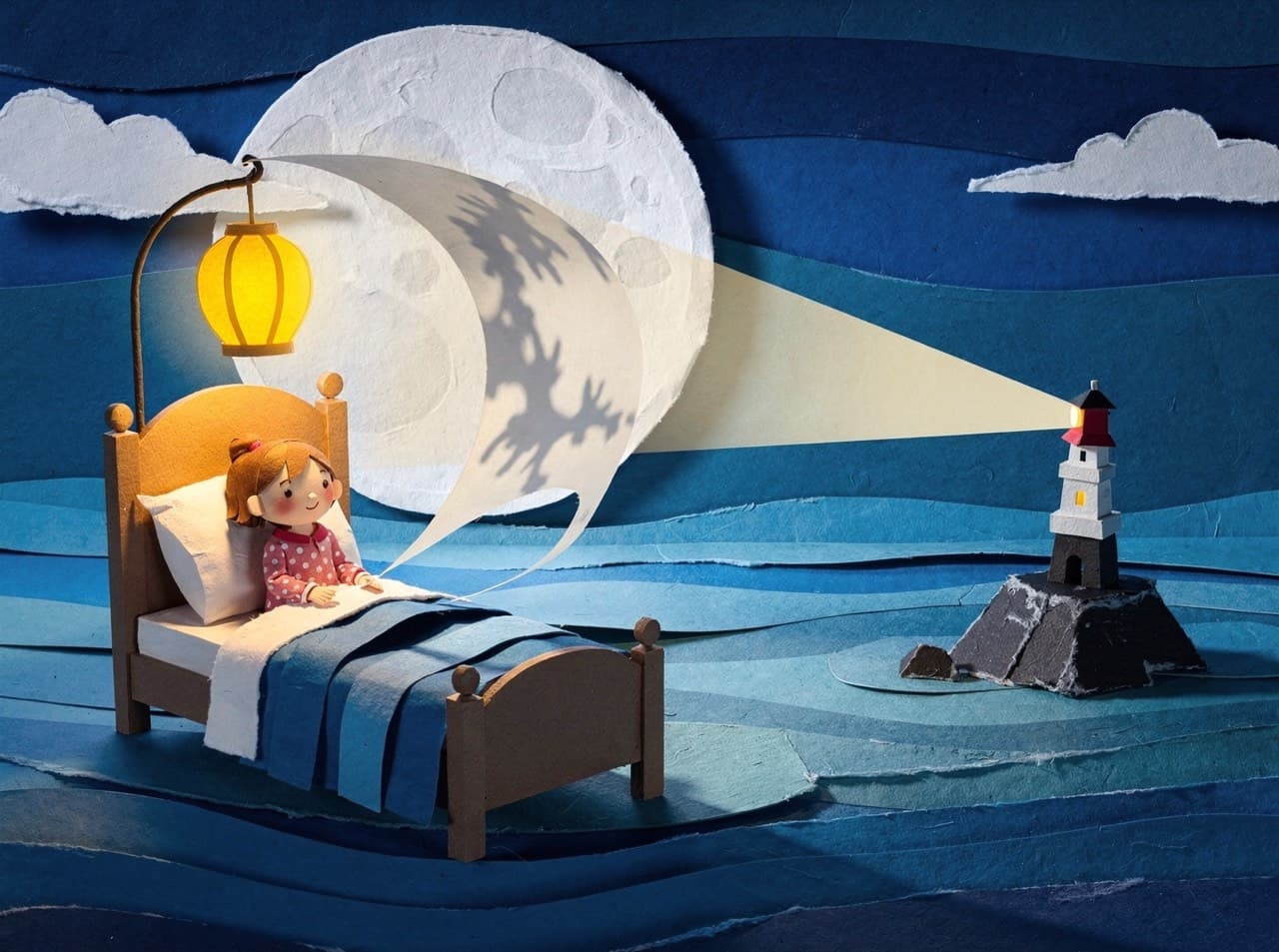
A one-shot is a comic that tells its whole story in one issue. A series is a promise that there will be more. The difference isn't length or how good the idea is. It's whether the last panel closes the door or leaves it open, and most stories make that choice for you.
What a one-shot is, and what a series is
A one-shot has a beginning, a middle and an end, and no "to be continued". It's built around one event: a leaving do, a game night, a birthday. When the event is over, so is the comic.
A series is built around something that comes back: a place people keep walking into, a case a week, a rivalry that never settles. Each issue is complete on its own, and the reader knows there's another. How to start a webcomic is about finding the thing that comes back.
The test: what happens the day after the last panel?
- Nothing. The colleague has gone home with the cake. That's a one-shot.
- The same thing again. The laundromat opens, the next client walks in. That's a series.
- Something new, because of what just happened. The stranger got away. That's an issue 2 waiting to be written.
Panel & Ink runs a version of this test when you type your idea. It checks the premise for words that say something repeats, like "every morning" or "a new client each week", and a premise about one event has none. The card that comes up calls it one great story and suggests something that could come back every issue. The card is optional, and for a one-shot that's the right answer: go on without it, and your own words win.
How to write a one-shot that ends
An issue is six to eight panels, and a one-shot has no issue 2 to put anything off to. How long is a comic issue shows how the beats fit. Four rules:
- Start late. Open when the night is already going: the speeches running long, the party halfway through the dungeon.
- One problem. The dragon, or the stranger, or the forklift. Not all three.
- The moments everyone tells. Thirty years at a place won't fit in eight panels. The story the whole team tells about the forklift will.
- Close the door in the last panel. The last caption is written from after it was over, and says what the night meant.
A send-off: one issue for the leaving do
A retirement is the classic one-shot: one person, one place, one night when everybody tells the stories. Write who they are at the place and the one story that has to be in it, and end the issue at the leaving do. Download the finished issue as a narrated video with music to play at the send-off.
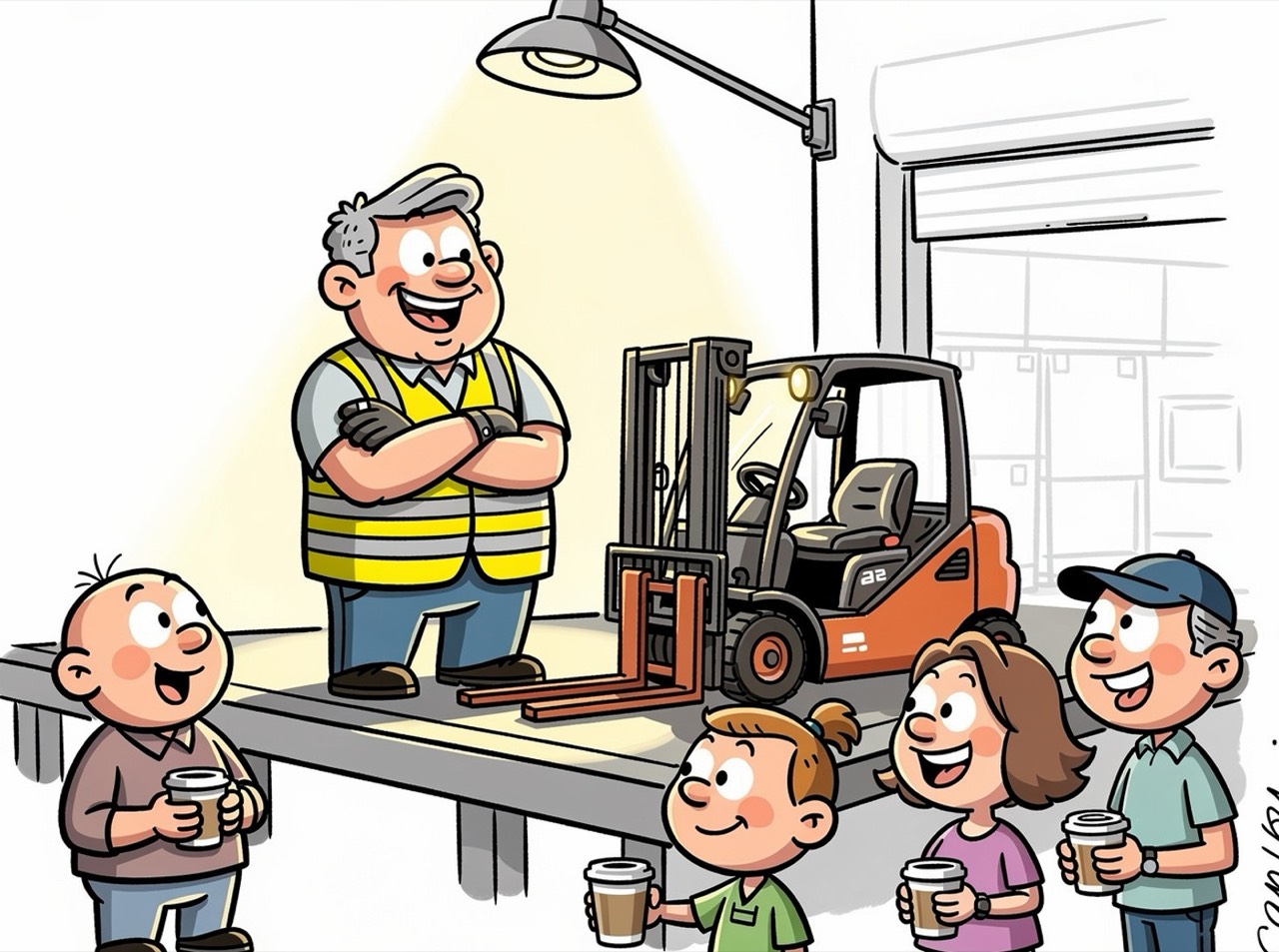
Then count the stories. If the team sends twelve legends, that isn't a bigger one-shot. It's a series, one legend an issue, the way the retirement comic page lays it out. The retiree is drawn from a photo onto a model sheet, with their permission, and every issue follows it.
A game night: one session, one issue
A tabletop one-shot is over by midnight. After the session, write the setup, what happened and the lines everyone quoted into the comic desk, and the night becomes one issue: your party as the cast, each character described the way its player sees it. The studio draws your party and your world, not a game's own named characters, so give the famous villain a name and a face of your own. Teen suits most tables.
If the table meets again, the next session is issue 2 of the same comic, the same party drawn the same way. That's how a one-shot turns into a campaign; a comic of your D&D campaign covers the long game.
When it needs an issue 2
Some one-shots don't stay one. Three signs:
- More stories than panels. Twelve legends, or a trip with more than one day worth telling; a comic of your trip is one day an issue.
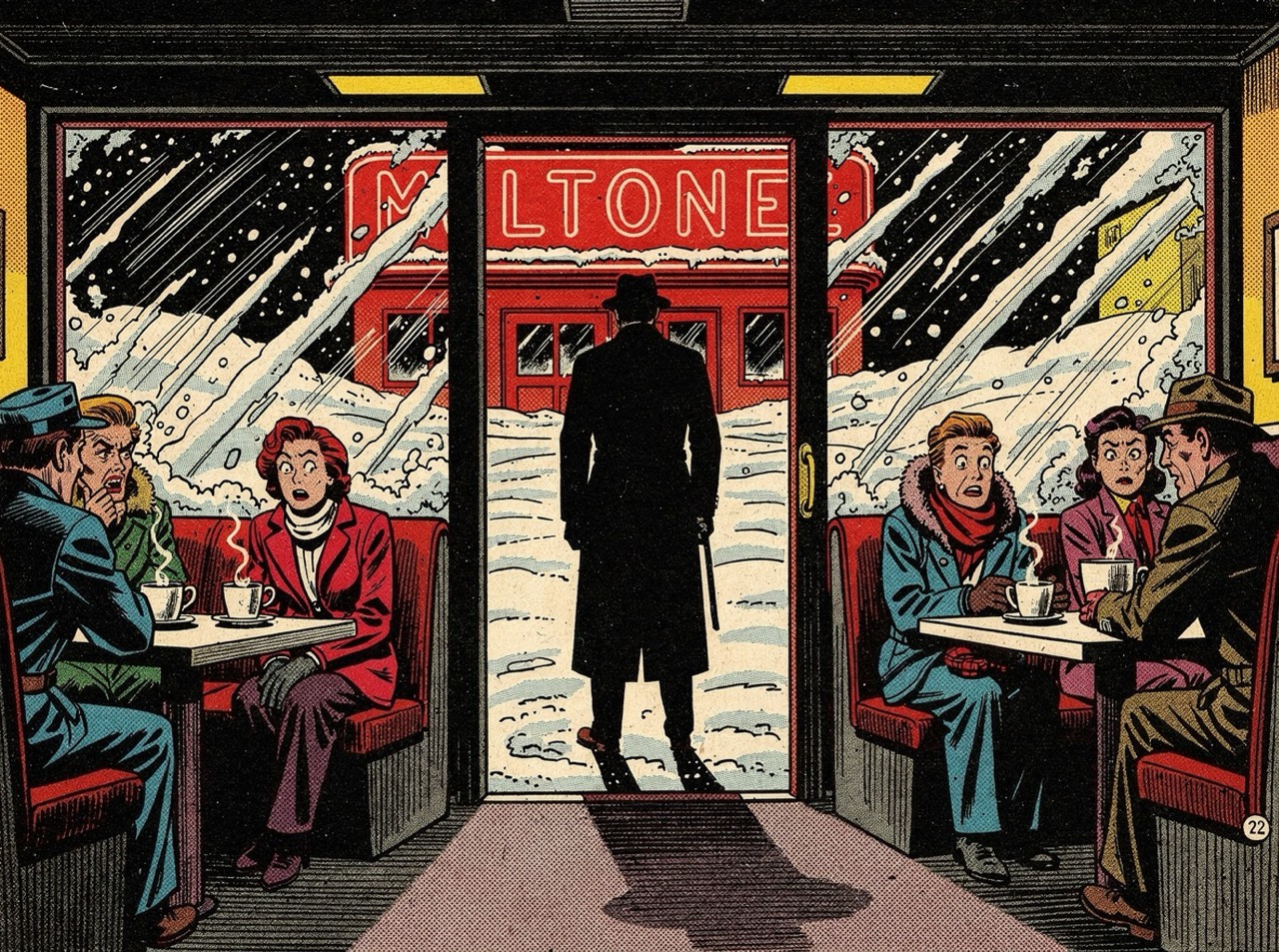
- The ending asked a question. The stranger walked back out into the snow, and somebody wants to know where.
- Someone asks for more. The best reason.
You don't have to decide up front. A comic can stop at issue 1, and a new comic doesn't start its next issue on its own. When you do start one, it's the same comic: the cast keep their model sheets, the look stays the look, and the writer reads what the first issue established before it writes the second. On the comic desk, "add an idea by hand" is free, so the next story can wait there. A comic about your own life works the same way, one memory an issue.
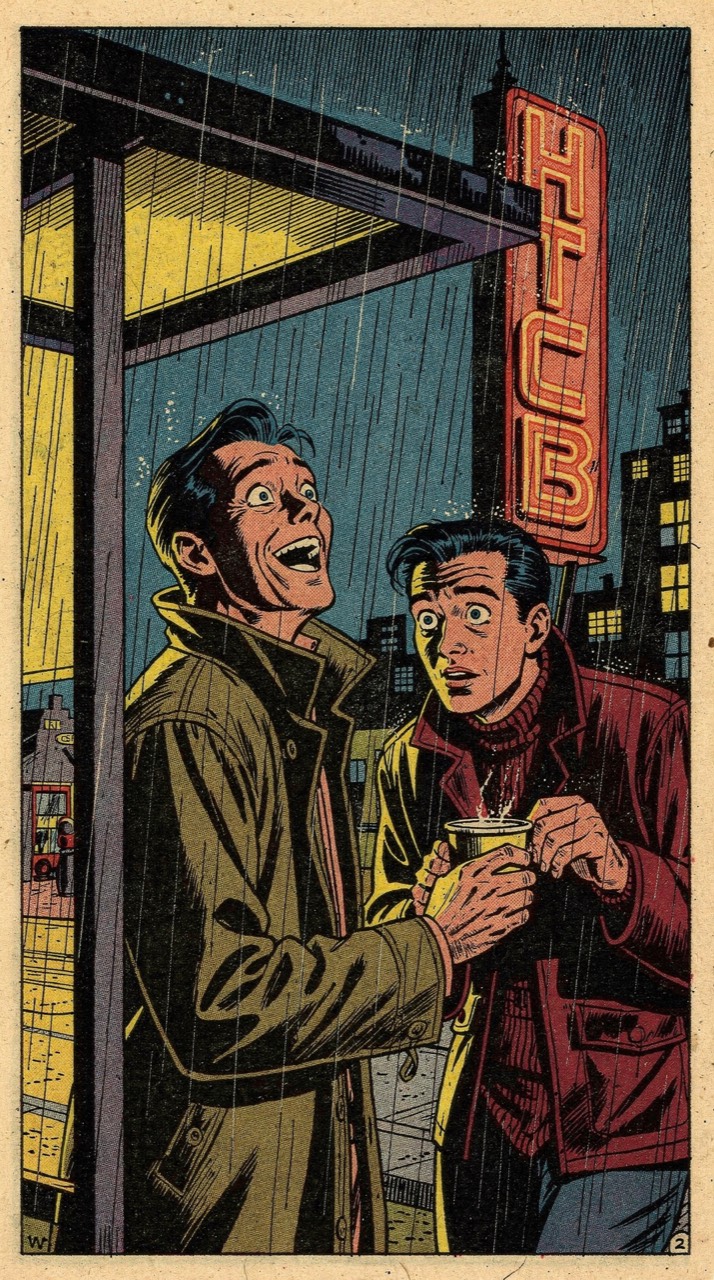
A look for one night
The look is the drawing style, and every panel of the comic keeps it.
Where to start
The retirement comic and one-shot night pages have premises to borrow, like five strangers snowed into a diner when someone walks in with no footprints behind him. The horror, heist and workplace comedy ideas have more, each a button away from a comic.
What it costs
A one-shot is one issue. On a standard look that runs about 20 credits, and all six looks above are standard. A new account starts with 35 credits, enough for your first issue on a standard look, and they last 14 days. An issue 2 costs nothing until you start it.
Make your first issue: one night, one story, and an ending that stays ended.