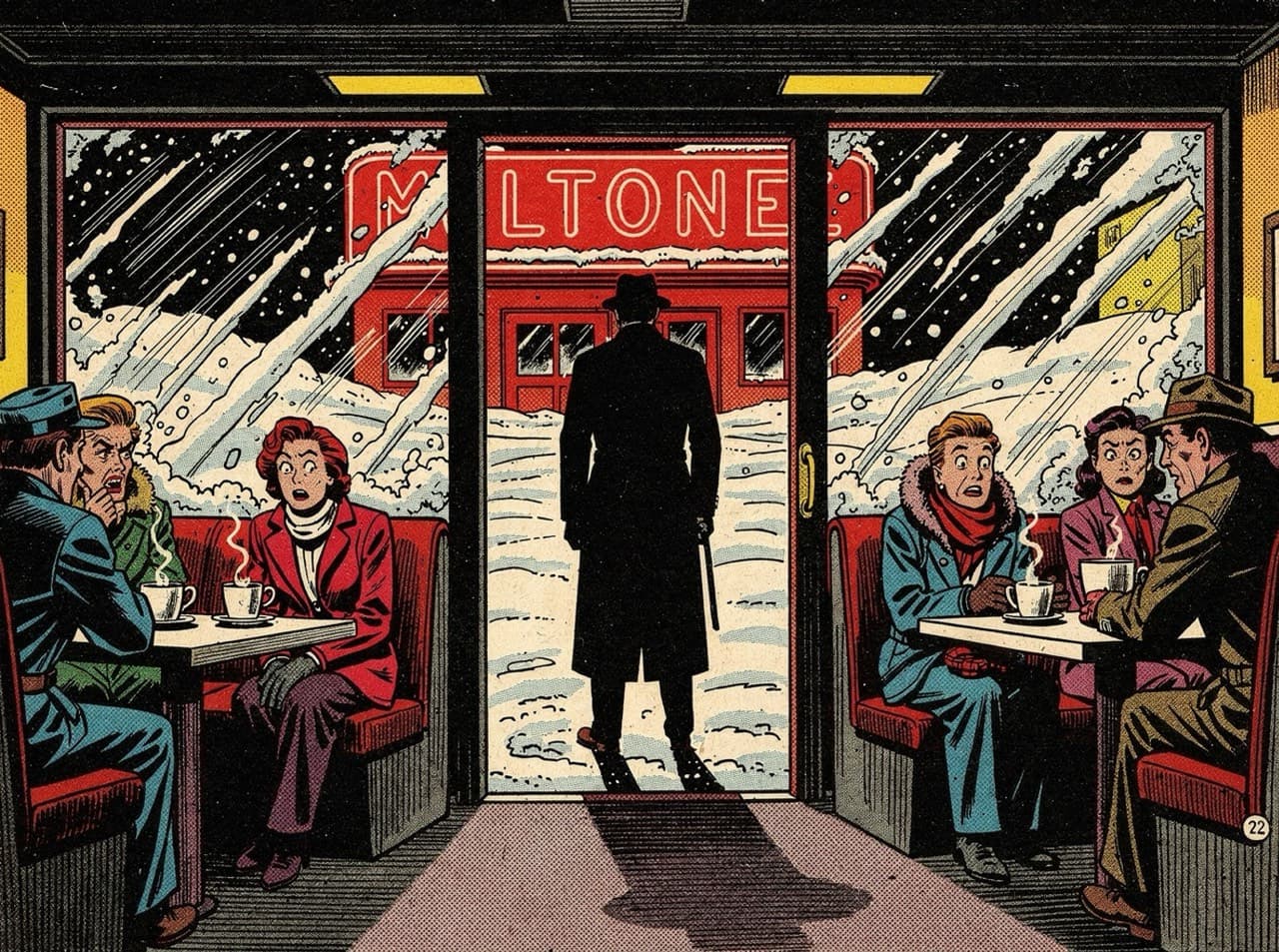
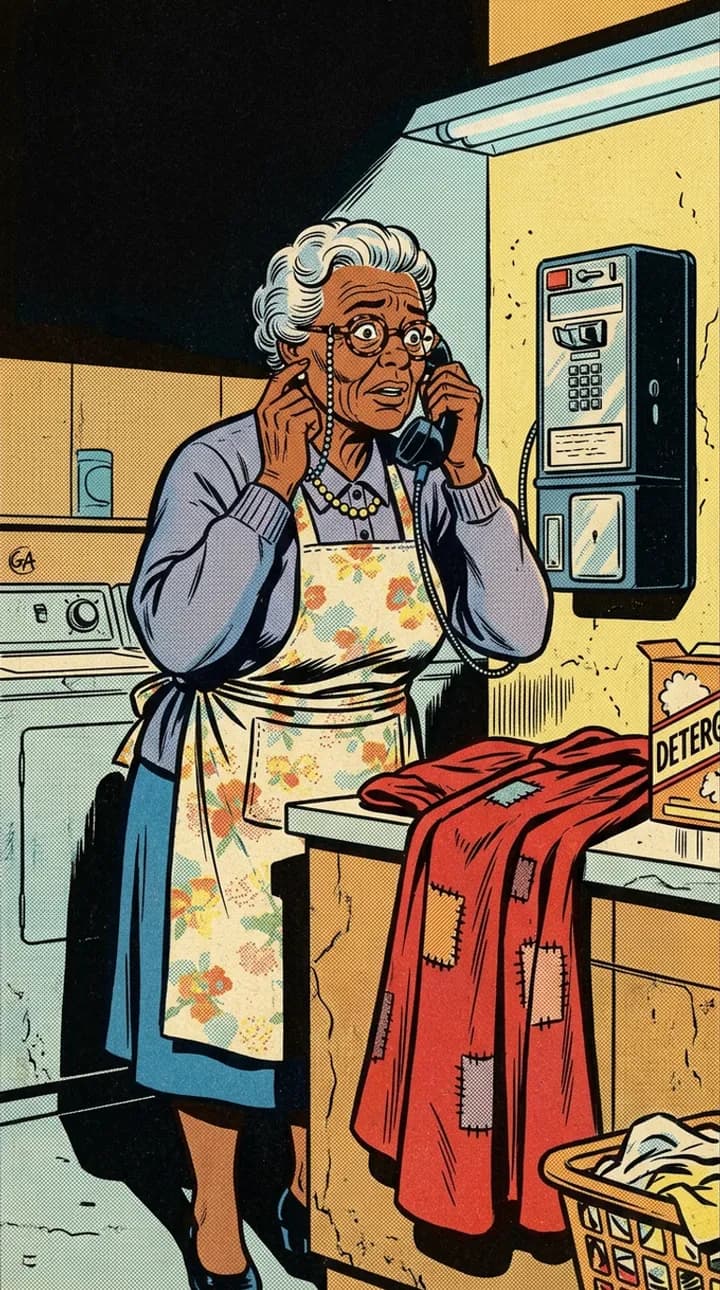
Most webcomics don't end. They stop, somewhere around issue five, with a note that says "back soon". It's rarely the drawing that runs out. It's the story: every issue starts from a blank page, and by issue six nobody, the maker included, knows what happens next.
The fix is something you decide before issue one: the thing that comes back every issue. Get that right and a webcomic nearly writes its own next issue. Here's how to start one you'll still be making in a year.
The thing that comes back every issue
A webcomic is a promise to the reader: come back, and there will be more of this. "This" has to be something that can happen again and again without wearing out:
- A visitor a week. Somebody new walks into the same place with a problem.
- A case a week. A theft, a lost thing, a mystery that's solved by the last panel.
- A rival. The same two people, the same argument, a new way to lose it.
- A ritual. A delivery, a shift, a night of the week that's always the same until it isn't.
Our own comic, Wash & Fold, runs on the last one. Dot runs an all-night laundromat, and every Tuesday at 3 a.m. a quiet bus driver brings her one bag of washing, with a superhero's red cape under his shirts. The bag is the thing that comes back. Every issue can open with it, and every issue has a new reason the cape came in the state it did.
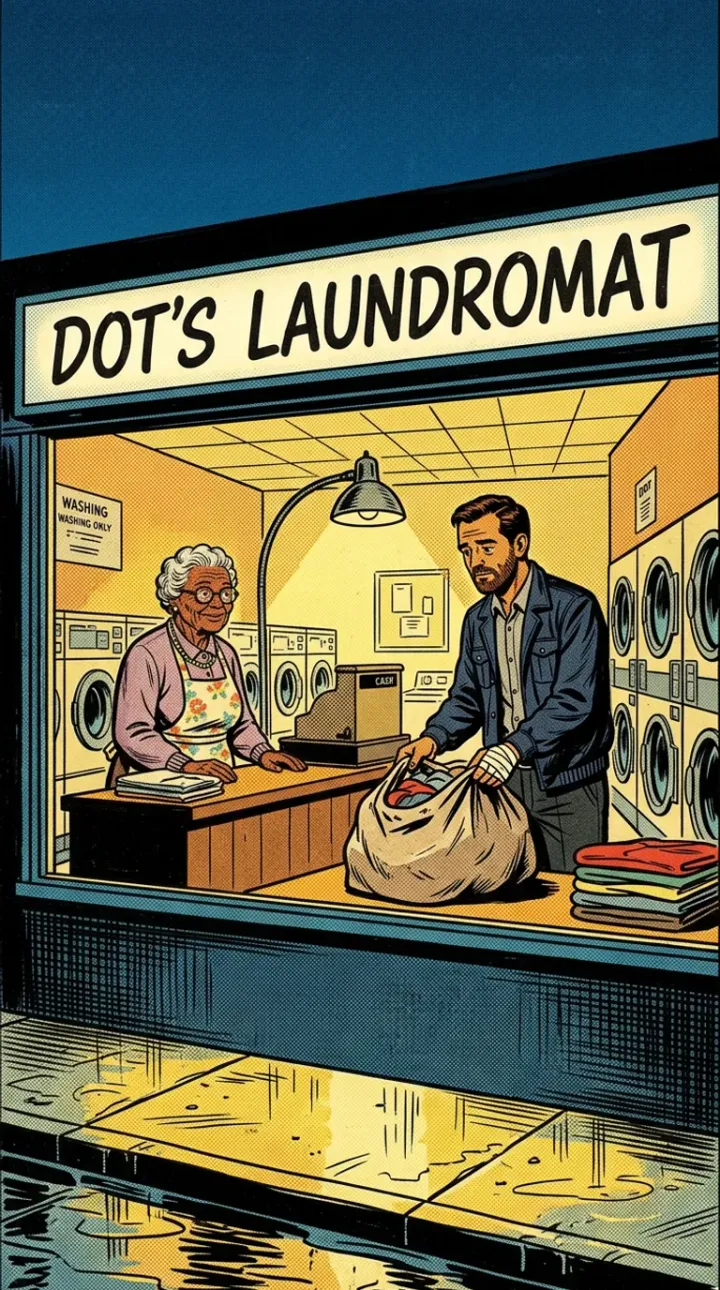
The test is simple. Can you write the first sentence of issue 12 today? "This Tuesday the cape came in soaked with sea salt" passes. "The kingdom faces a new threat" doesn't, because it says nothing about who opens the door.
Keep the place small and the cast smaller
A big world feels safe, because there's so much to write about. It's the opposite. A small place the reader learns, a laundromat, a tow yard, a corner where two food trucks park, gives every issue somewhere to start.
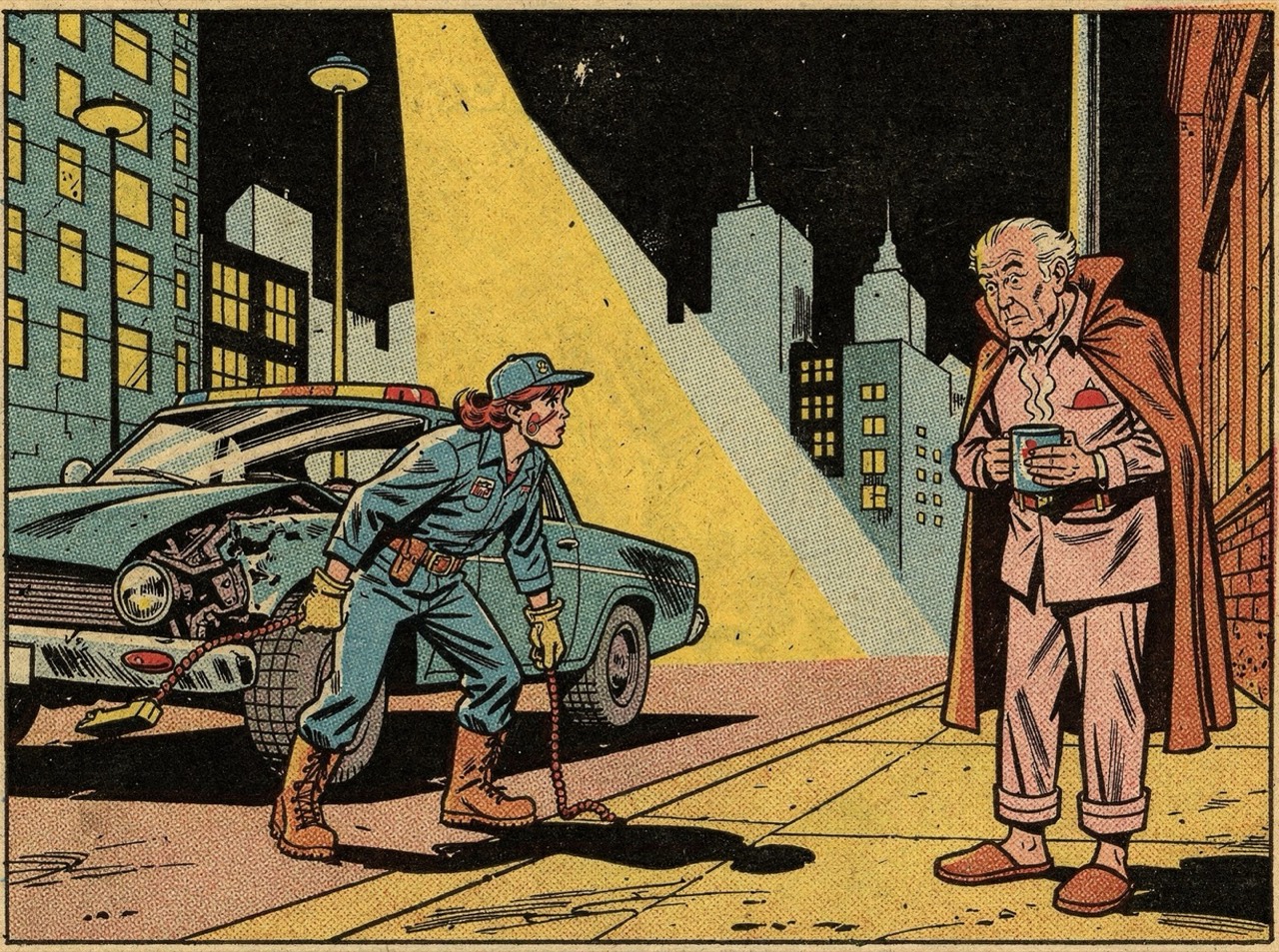
The same goes for the cast. Three regulars is a cast; eight is a crowd the reader has to keep notes on. Let a new face come through each issue, and keep the ones who matter. On the webcomic page one example is a tow-truck driver in a city of retired superheroes: a regular, a new wreck every issue, and a story with every wreck.
Make the first issue one day
Issue one is not the place to explain the world. Start on a day something is already going wrong, keep it to one problem, and end on a question that issue two answers. Wash & Fold No. 1 is one night: one bag, one cape, a girl pulled out of the river, and a gloved hand in the doorway at the end. Who the hand belongs to is issue two.
An issue is six to eight panels with a caption each, so there's no room to say everything. What you leave out is next week's issue.
Pick a look you won't tire of
The look is the drawing style, and a webcomic keeps it in every panel of every issue, so pick one you'd happily look at for forty issues. A few made for a long run:
- Webtoon Colour comes from Korean scrolling comics: clean lines and soft colour, made to be read on a phone.
- Sunday Funnies is the newspaper strip, for a comic built on a running joke.
- Risograph Zine for the small-press table, and Marcinelle Romp for slapstick: rubbery cartoons and a gag on every page.
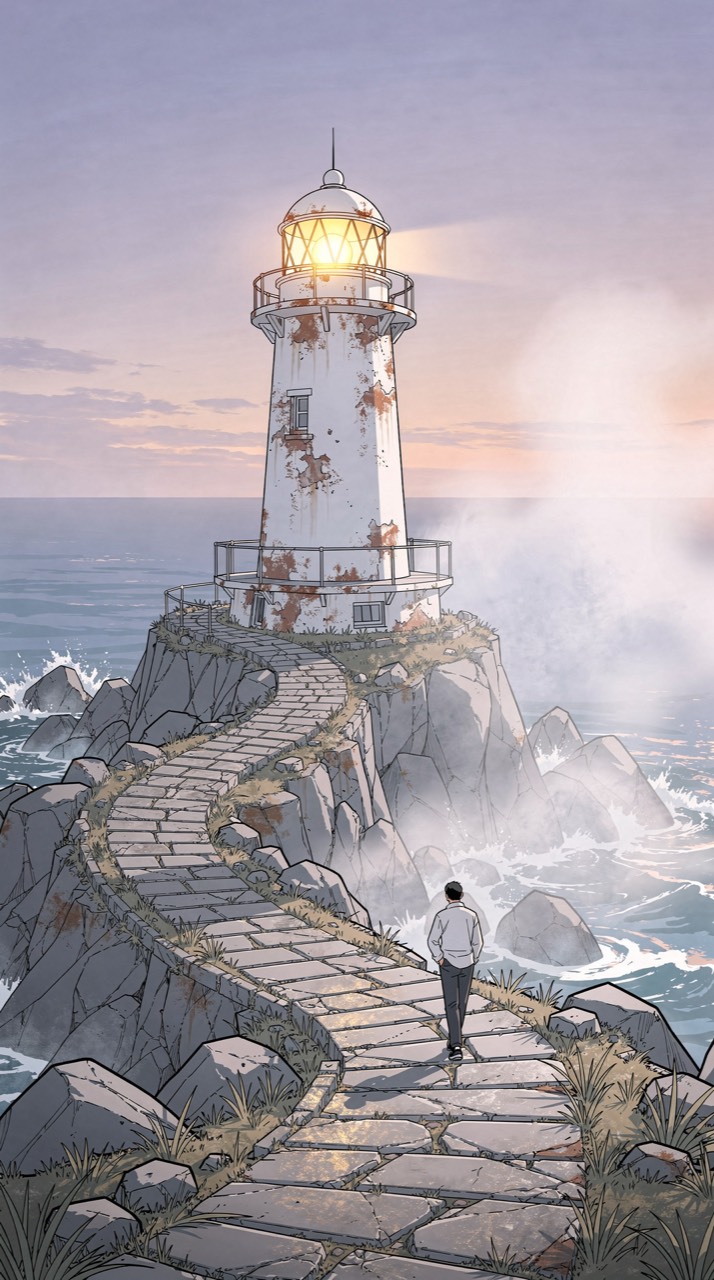
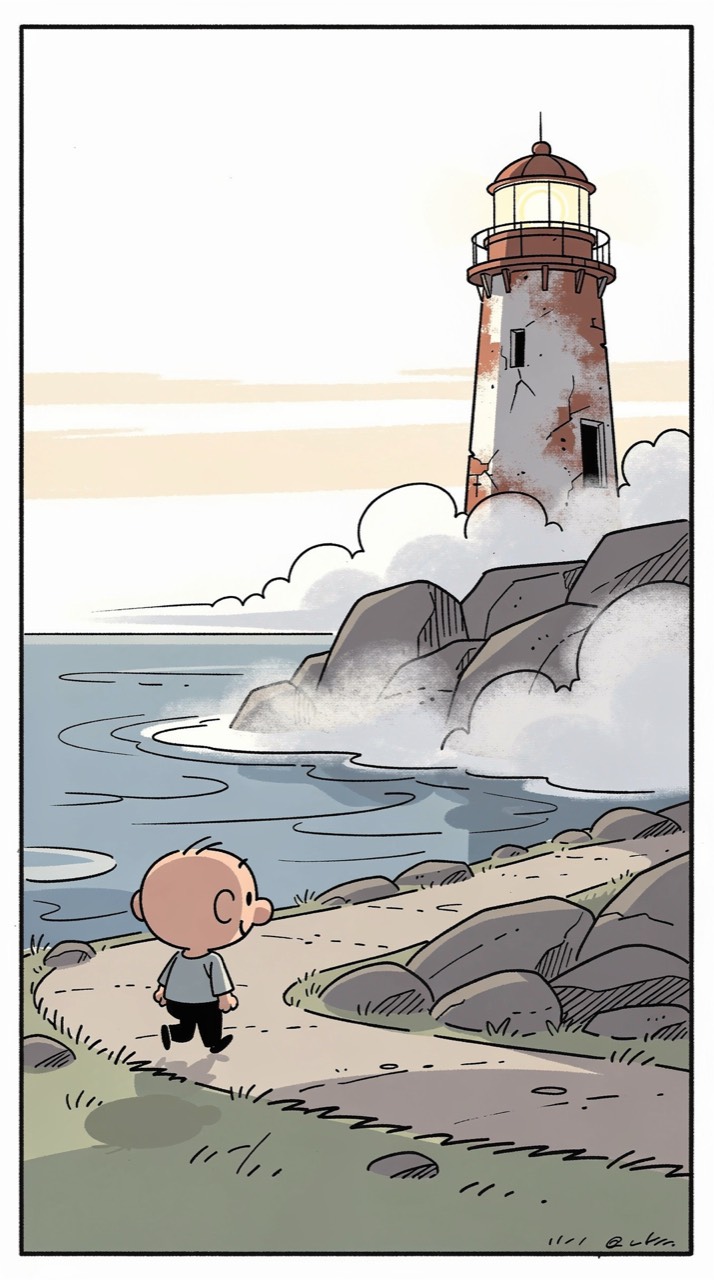
Wash & Fold is drawn in Silver-Age Halftone, the look of the old superhero books.
Let the studio keep the parts that wear you out
The hard part of a long webcomic isn't issue one. It's issue twenty: the faces drifting, the scar on the wrong side, a thread from issue four nobody remembers. That's the part Panel & Ink's AI comic generator keeps for you:
- The hook gets checked. When you type your idea, the studio checks whether it has something that comes back every issue. If it hasn't, it offers a few written for your premise. It's optional; your own words win.
- The cast stays the cast. Each regular gets a model sheet, and every panel of them is drawn from it, so Dot is the same Dot in issue one and issue three.
- The story remembers. The writer reads what the earlier issues established before it writes the next one, so a secret kept in issue two is still a secret in issue nine.
- Ideas wait their turn. Drop a case, a gag or a whole arc into the comic desk whenever it arrives, and set how often you'd like a new issue. Once a week is plenty: a steady day beats a fast start.
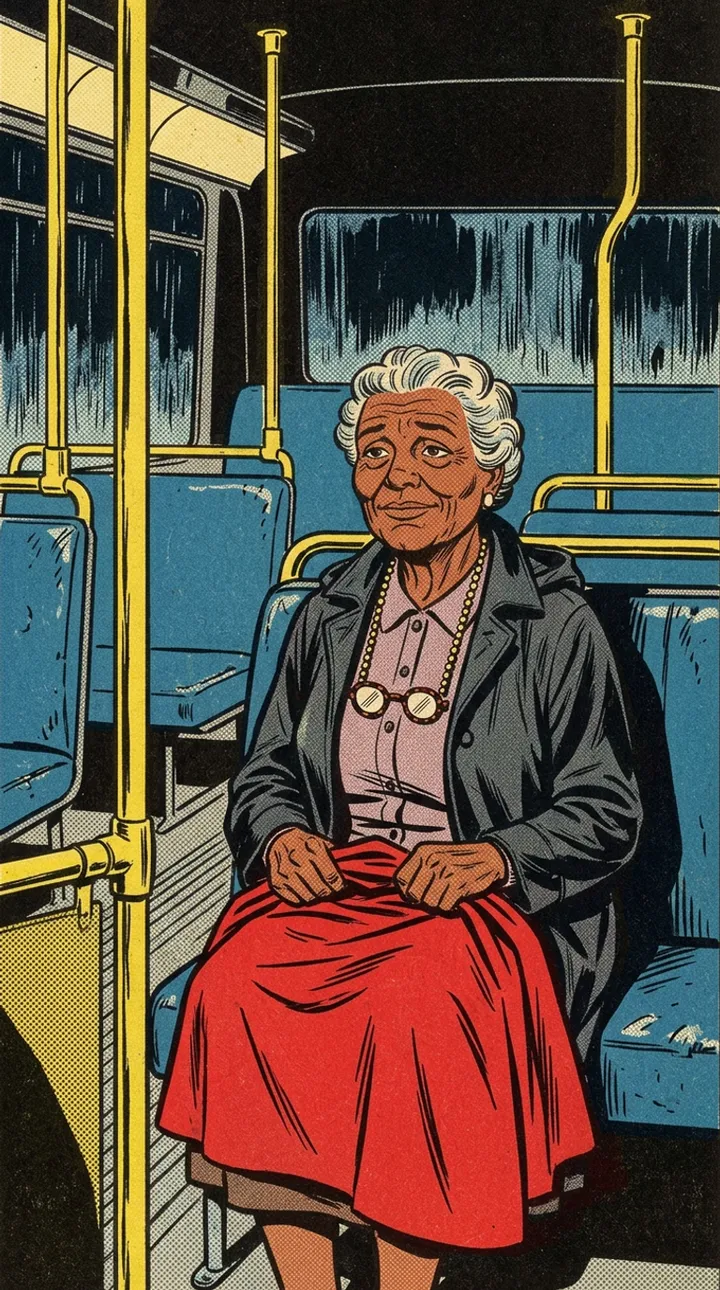
You still read every script before a panel is drawn, and change any caption that doesn't sound like your comic. When an issue is finished, "Share this issue" gives it its own page, readable on any phone.
Start with the hook
Need a premise with the hook already in it? The slice of life, cosy mystery and workplace comedy ideas are all built around a place people keep coming back to. There are 159 premises across the ideas pages, each with a button that starts a comic from it.
An issue on a standard look runs about 20 credits, and a new account starts with 35 credits, so your first issue on a standard look is covered.
Make your first issue: one idea, one thing that comes back, and a year of issues ahead of it.