Most people who set out to make a comic about their life start at the beginning: the town, the school, the first job. Three pages in, they're nine years old, nothing has happened yet, and the comic stops.
A life is too big for a comic. A memory isn't. The memoir comics people keep are made of small ones: one summer, one kitchen, one phone call.
Pick one memory, not your life
You probably know which one it is already:
- The one that changed something. The move, the diagnosis, the day you quit.
- The one you can still see. The light, the room, what was on the table.
- The one you tell the same way every time. The line you always end on is probably the last caption.
Here's the test: can you say where you were standing? Then it can be drawn. A comic issue is six to eight panels, about the size of one memory. The rest of your life is the issues after it.
Find the moment it turns
A memory becomes a story when something is different by the end. Ask what you knew that night that you didn't know that morning. That's the turn, and the panels fall in around it:
- Before. Where you were, who you were then, what you wanted.
- What happened. The knock, the letter, the wrong turn.
- The turn. The moment you understood it.
- After. Where it left you.
Eight panels give the middle room for a try that fails and the moment it gets worse. How long is a comic issue shows how to count the beats.
You then, and you now
Memoir comics lean on one trick: the picture shows you then, and the caption is you now.
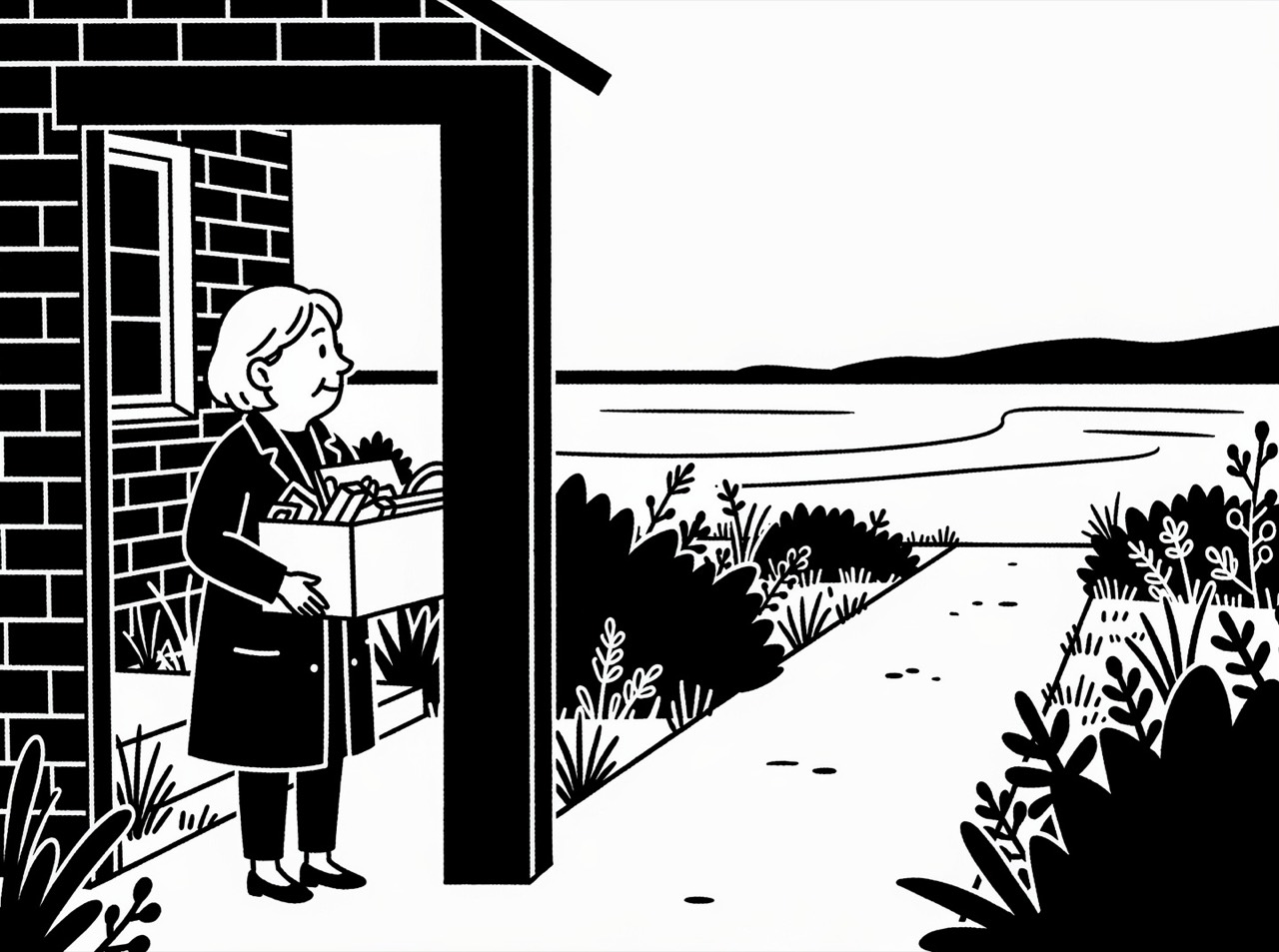
The child in the panel doesn't know how the day ends; the caption does. Draw a child carrying a box out to the car, caption it "I thought we'd be back by Christmas," and the gap between the two does the work. You never have to say how it felt.
Write down what only you remember
Before you write the story, list what you can still see and hear: the wallpaper, the song on the radio, the coat you wore, the exact thing your father said. One true detail does more than a paragraph about how sad it was. A panel can show a half-packed suitcase. It can't show "a hard time".
The other people in it
Your memory has other people in it, and they didn't ask to be in a comic. Ask them, and show them the script first. Or change their names and how they look. Or keep them in the captions and out of the pictures. You're telling it as you remember it, and saying so in the first caption is fair to everyone.
Making it with Panel & Ink
You don't need to draw.
The premise. Write the memory the way you'd tell it: where, when, who you were then and what happened. The studio works out who the story follows, offers looks that fit, then drafts the comic's plan: its name, who's starring, the world and how it's told. You can change every piece, and your names stay.
The rating. Everyone is chosen to start, and a life isn't always rated Everyone. Teen allows scares, fights, loss and some language. Mature allows dark themes and strong language, with sex off the page and nothing explicit; you tick once that you're 18 or older.
You on the cast. Add a photo of yourself at the age you were in the memory. Before any photo goes in, the studio asks you to confirm you have the right to use it, and permission from anyone in it, every time, even for your own face. It writes a description from the photo for you to edit, draws takes in your look, and you pick the one every panel follows. Anyone else: their photo with their blessing, or your words alone.
Read it before it's drawn. You read the script before a panel is drawn, and can change any caption that doesn't sound like you.
Your own voice. Once the panels are approved, each panel's narration has a "read it yourself" button. Your recording takes the studio narrator's place in that panel of the video, and recording is free.
The next memory. On the comic desk, "add an idea by hand" is free: a title and what happens, in your words. It doesn't have to be in order.
A look that suits the telling
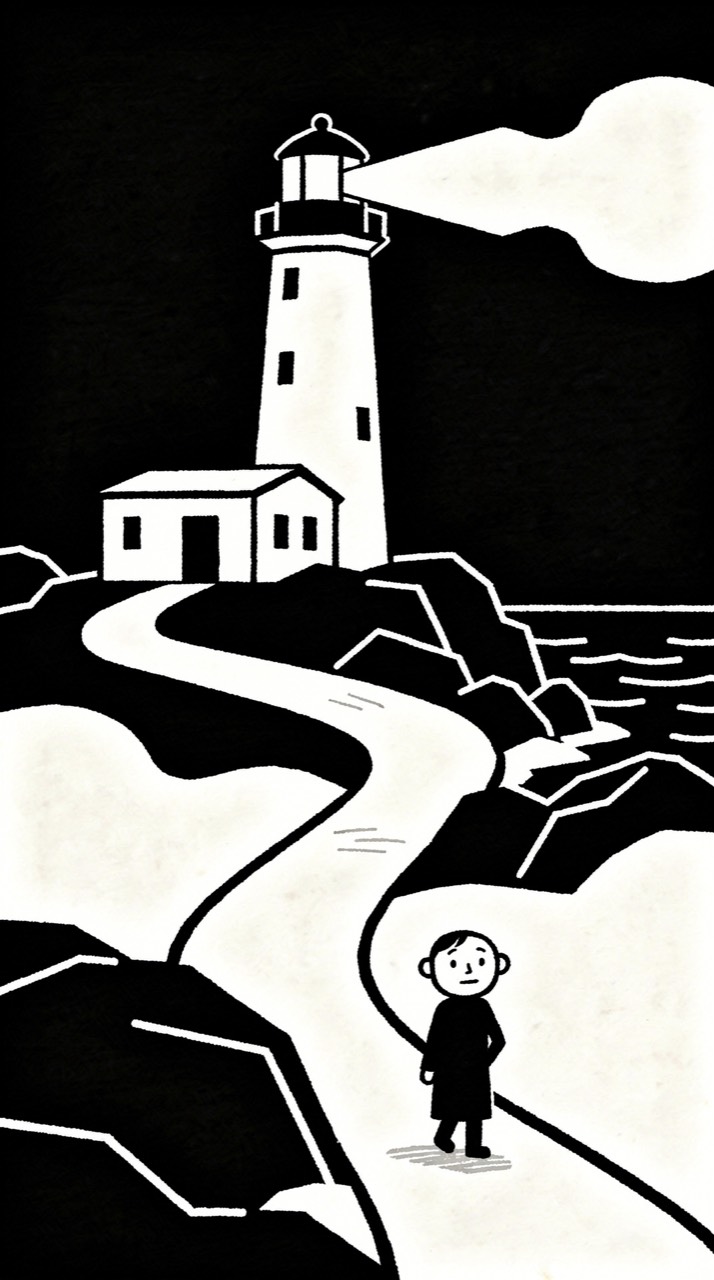
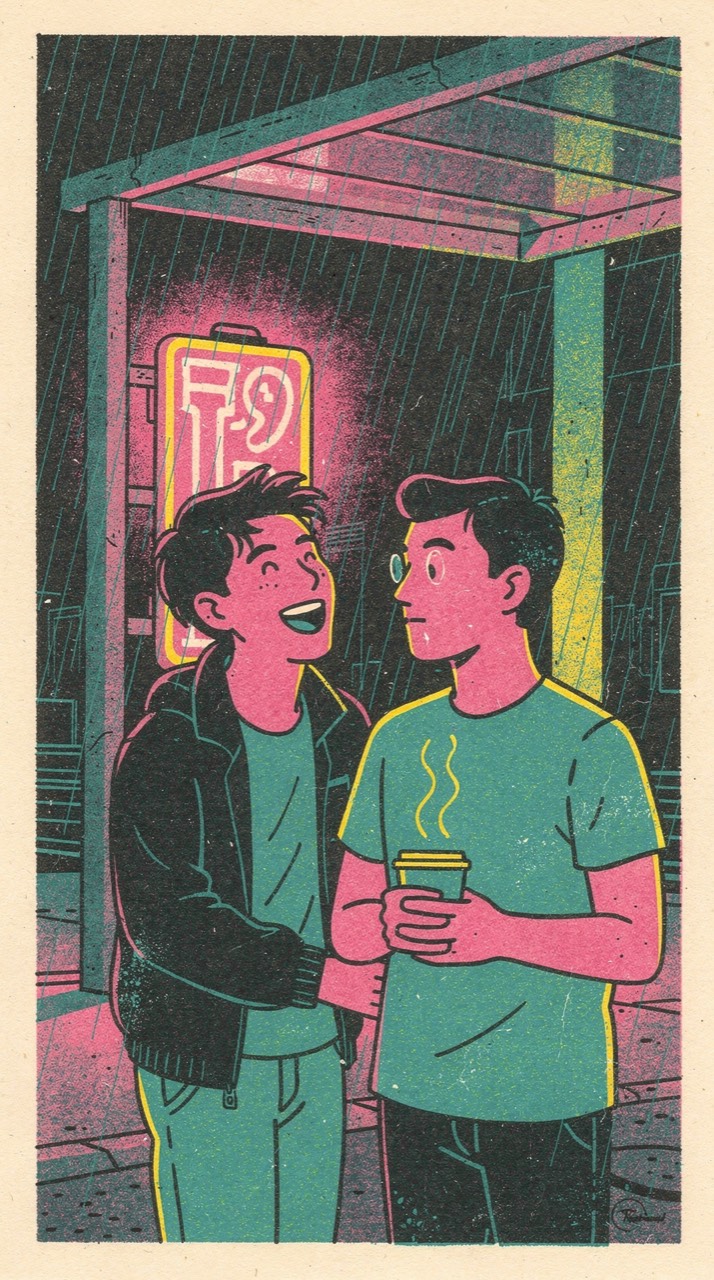
The look is the drawing style, and the whole comic keeps it. Four suit a life:
Where to start
The memoir page has premises to borrow, like the woman who has moved house twenty-two times and makes each house an issue. If the story is someone else's, start with the family story page and turning a family story into a comic. How to write a comic script shows what to write down for each panel, and the slice-of-life ideas show how small a story can be.
What it costs
An issue on a standard look runs about 20 credits, and all four looks above are standard. A new account starts with 35 credits, enough for your first issue on a standard look, and they last 14 days.
Make your first issue: one memory, six to eight panels, in your own words.