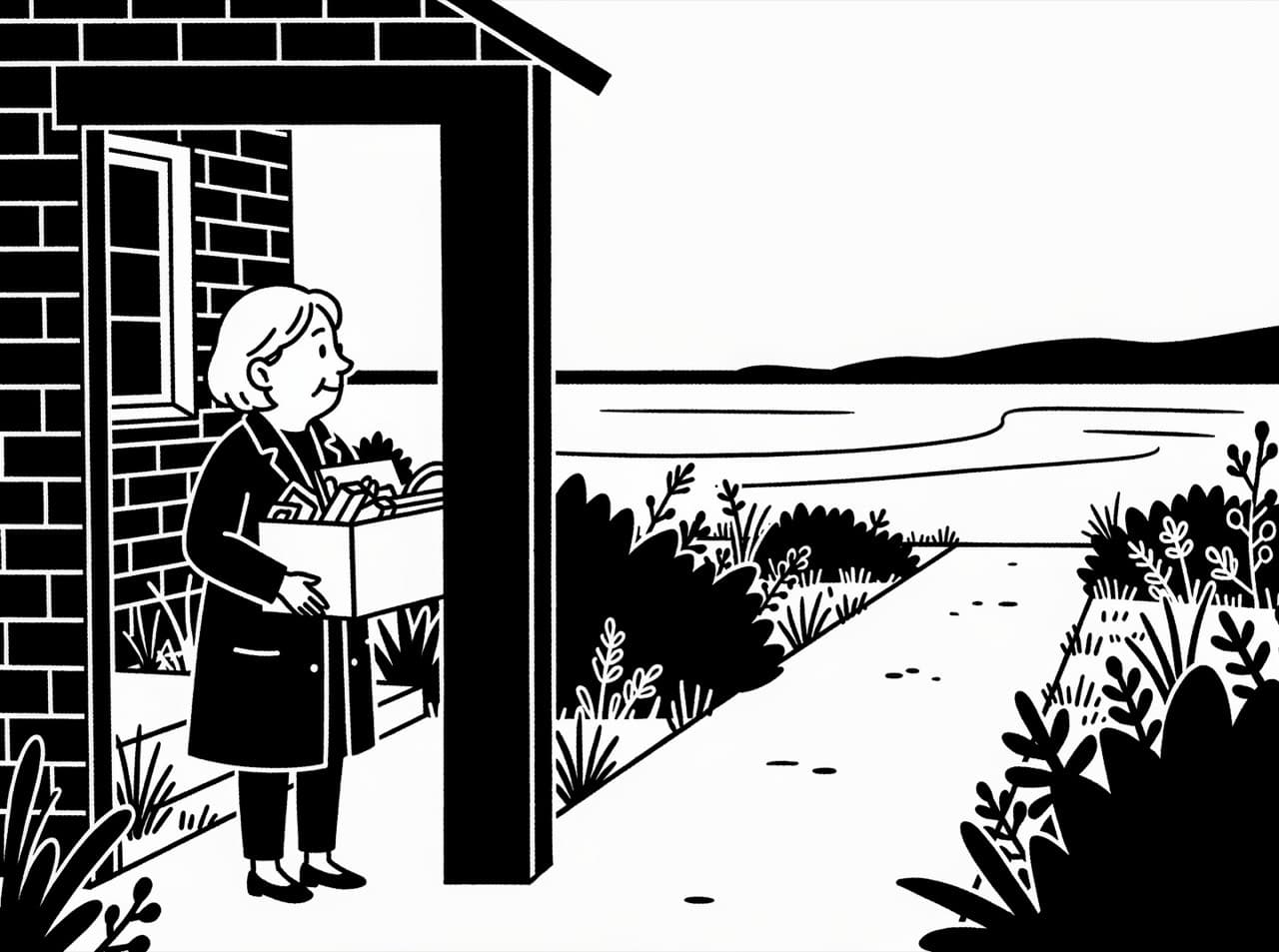
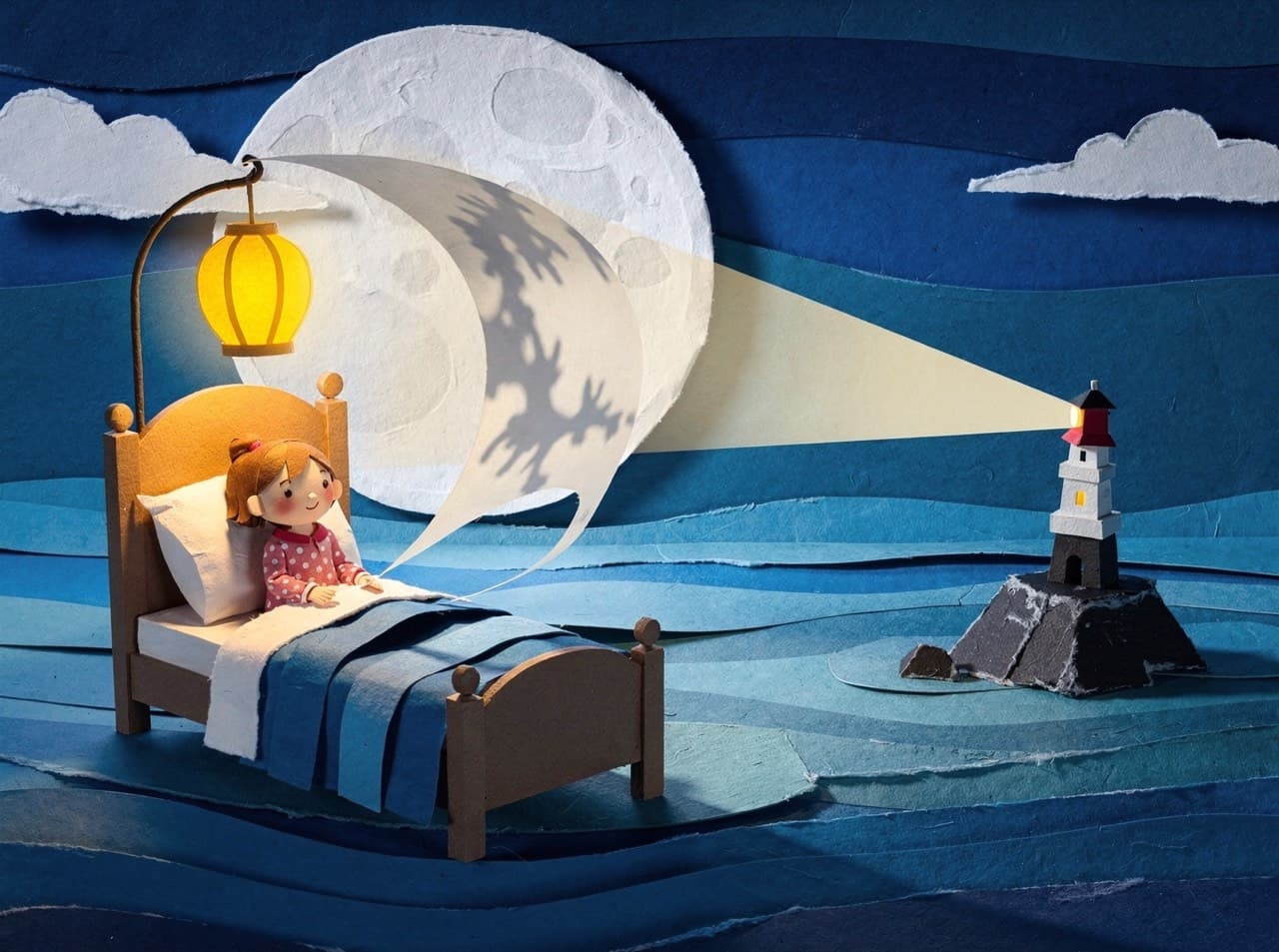
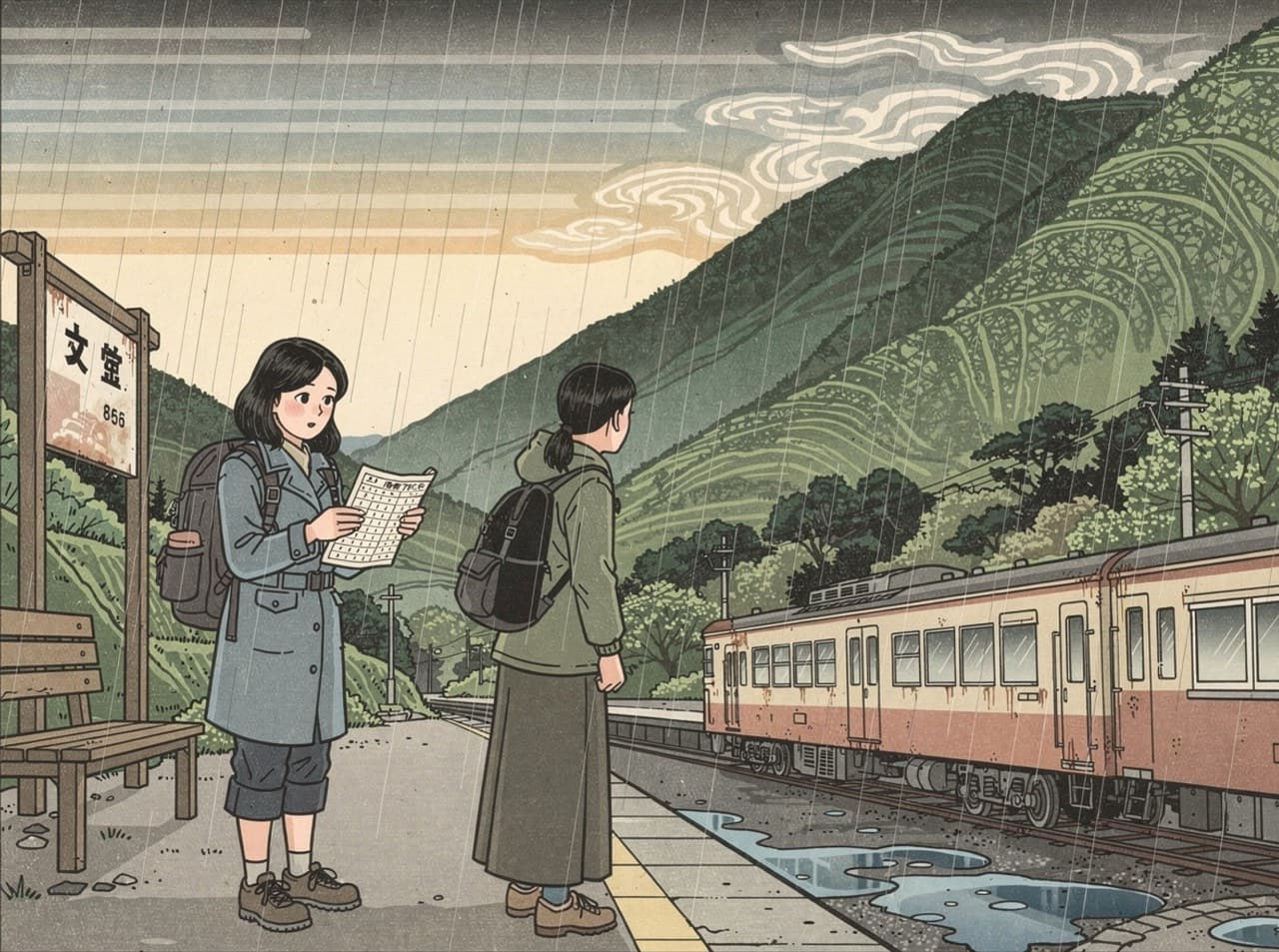
Every family has the story. How your grandparents met. The winter the river froze. The year the shop nearly closed. It gets told at dinner, a little differently each time, and one day the person who tells it best won't be there to tell it.
A comic is a good way to keep it, but a comic can only show what someone can picture. "Times were hard" can't be drawn. A coat, a platform, a suitcase with a broken clasp can. So the work starts before any drawing, with a conversation. Here's how to have it.
Pick one story, not a whole life
Don't sit down to record "everything Grandad remembers". You'll get a summary, and a summary has no pictures in it. Pick one story the family already asks for: one journey, one winter, one day.
A comic issue is six to eight panels, about the size of one story. If it turns out bigger, good: that's issue two.
Ask for the scene, not the summary
People tell old stories in a groove worn smooth by retelling. Your questions pull them back into the moment, where the details are:
- Where were you standing? The room, the street, the platform. What was behind you?
- What did it look and sound like? The weather, the light, what was on the table, what everyone wore.
- Who else was there? Their names, their ages then, what they were doing with their hands.
- What did they say? The exact words, if they remember them. Those are often the best line in the comic.
Then ask the question that turns a memory into a story: "What happened next?" Keep asking it. Every answer is a panel.
Record it, and keep their words
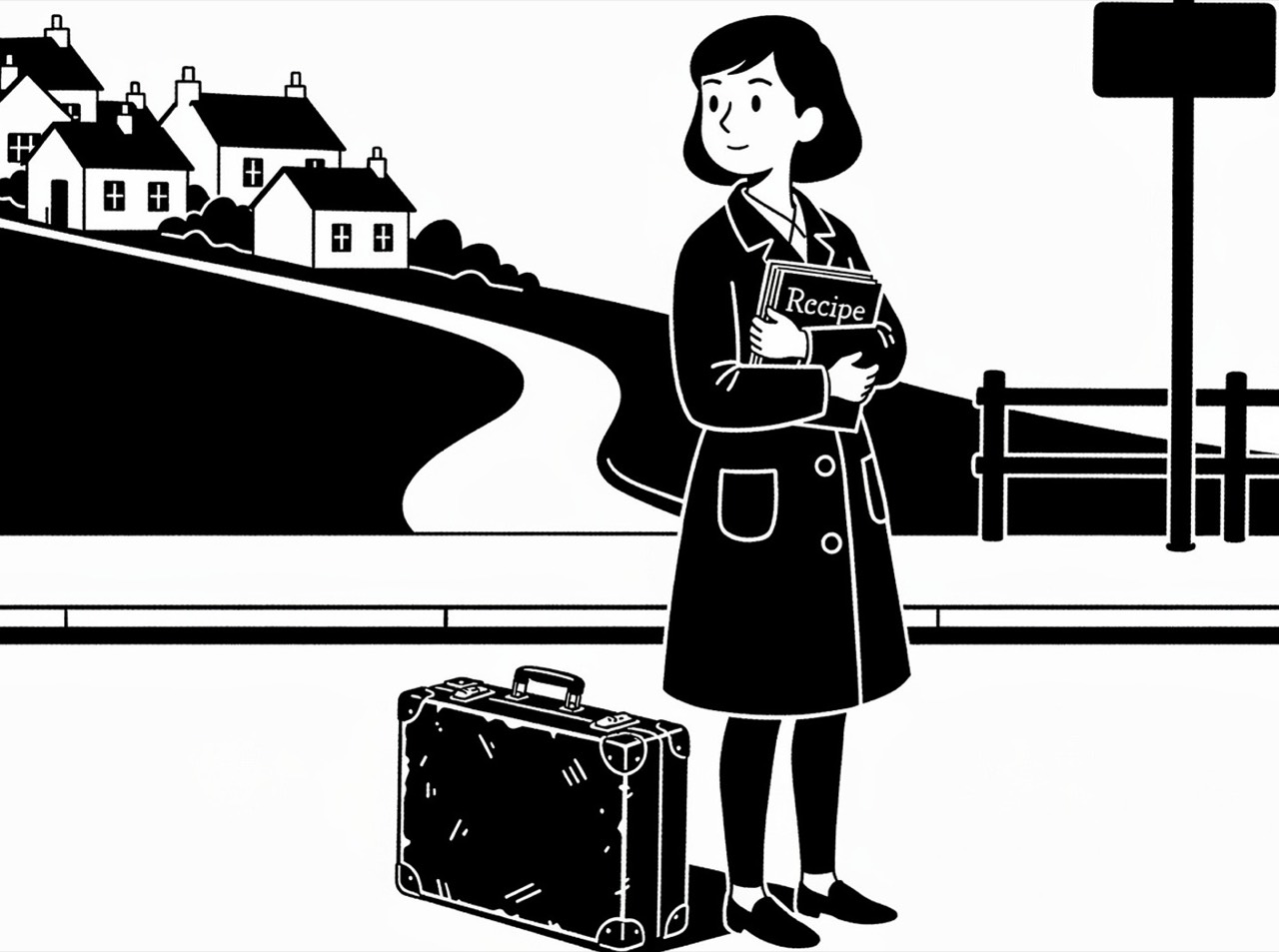
Ask if you can record the conversation on your phone, so you can listen instead of scribbling. Listen for the sentences they say the same way every time. "We didn't have a word for it then." "Your great-aunt never forgave the bus." Write those down exactly. A Panel & Ink issue has room for one short caption a panel, and their own words are better than anything you'd write.
Don't correct them while they talk. If the dates don't add up, ask afterwards.
Find the photographs
Before you finish, ask for the box of photos. You're looking for three things:
- Faces at the right age. A picture of Grandma at nineteen, not at eighty, if the story happened at nineteen.
- The places. The house, the shop front, the street, even if it's half out of frame.
- The things. The car, the coat, the suitcase. Small objects carry a story across panels.
Ask who everyone in each photo is, and whether they're happy to be drawn.
Turn your notes into issues
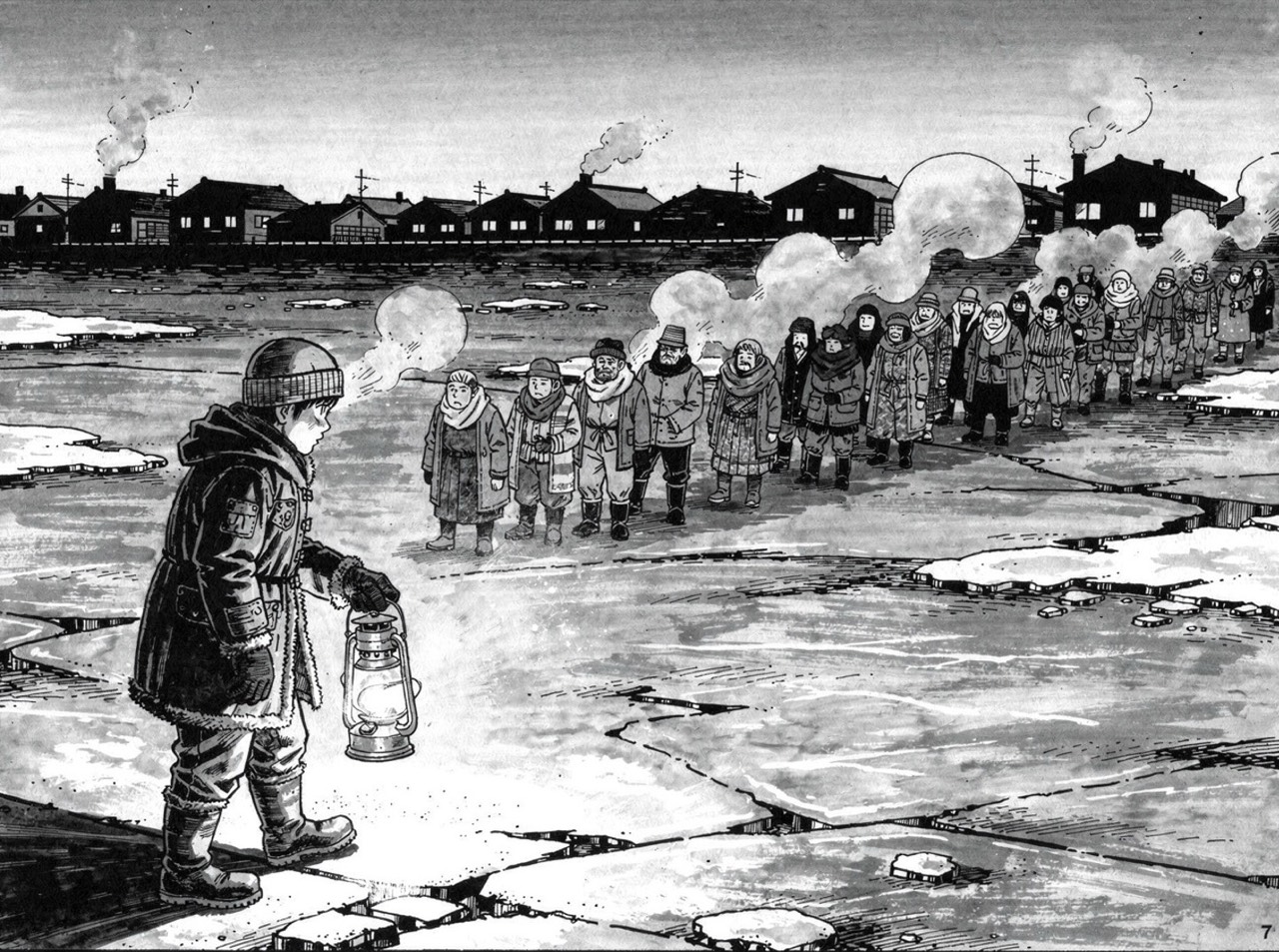
Back home, sort your notes into scenes, and give each one a line: who, where, and what changes by the end. In the grandparent's memory example, a boy of twelve leads his village across a frozen river: one night, one walk, and a far bank to reach by the last panel.
How the studio takes it from there
You don't need to draw. In Panel & Ink, the story you collected goes in at each step:
- The premise. Write the story the way it's told at dinner, with the real names and the year. Choose Everyone as the rating on the first step if the grandchildren will read it.
- The look. A true story suits a quiet look: Minimal-Line Memoir for plain black and white, Painted Graphic Novel to give it weight, Ligne Claire for clean lines and clear daylight, Storybook Gouache to make it a bedtime story.
- The people. Add a photo to a cast member's sheet, and the studio asks you to confirm you have permission first. It writes a description from the photo for you to edit, then draws takes in your look, and you pick the one every panel follows.
- The chapters. On the comic desk, paste your interview notes into the ideas box and the studio turns them into issues. Or choose "add an idea by hand", which is free: a title, and what happens in this issue, in the words you wrote down.
You read every script before a panel is drawn, and can change any caption that doesn't sound like them.
One more thing worth knowing: once the panels are approved, every panel's narration on the issue page has a "read it yourself" button. Hand the person who remembers it the phone, and they can read the caption in their own voice. Their reading replaces the studio narrator for that panel in the video, and recording it is free.
Show it to them first
Before anyone else sees it, show the finished issue to the person who told you the story. They'll say the coat was brown, not grey, or that it was the other aunt. Fix it. Then ask them what happened next, because that's the next issue.
There's more on the family story page, and on the memoir page if the story is your own. The historical ideas show how a premise set in another decade reads.
An issue on a standard look runs about 20 credits, and it finishes as a narrated video and a set of lettered panels you can share with the family.
Make your first issue with 35 credits when you sign up, no card. Drawn and narrated by Panel & Ink; the story is theirs.