Most comic ideas never leave the back of someone's mind, because learning to draw a page takes years. If you have a story and no hand for it, you have four real routes. Here they are, with what each one costs you in time, money and control.
1. Write the script and find an artist
The classic way. You write a full script — panel by panel, with what is in each frame and what is said — and an artist draws it. Collaborations like this make most of the comics on the shelf.
What it takes: a script in a form an artist can draw from, and either a collaborator who wants the story as much as you do or a budget. A commissioned page from a working artist runs from tens to hundreds of dollars, and a twenty-page issue is twenty of those. Weeks per issue, often months.
Where it shines: a long, serious project with a human collaborator who brings things you would never have thought of.
2. Use a template or a photo-comic kit
Panel layouts with stock characters you pose, or your own photographs with speech balloons over them. Quick, cheap, and fine for a one-off joke or a classroom exercise.
The trade-off: everyone's comic looks like everyone else's, the cast can only do what the stock poses allow, and a second issue looks exactly like the first. It is hard to tell a story that has a face in it.
3. Learn to draw just enough
Stick figures, a consistent six-panel grid, and the discipline to keep going. Plenty of beloved strips are drawn by people who would say they cannot draw.
The trade-off: months before your pages look the way the story feels, and the ceiling is your own hand. If the point is the story and not the practice, this is the slow road.
4. Have a studio draw from your words
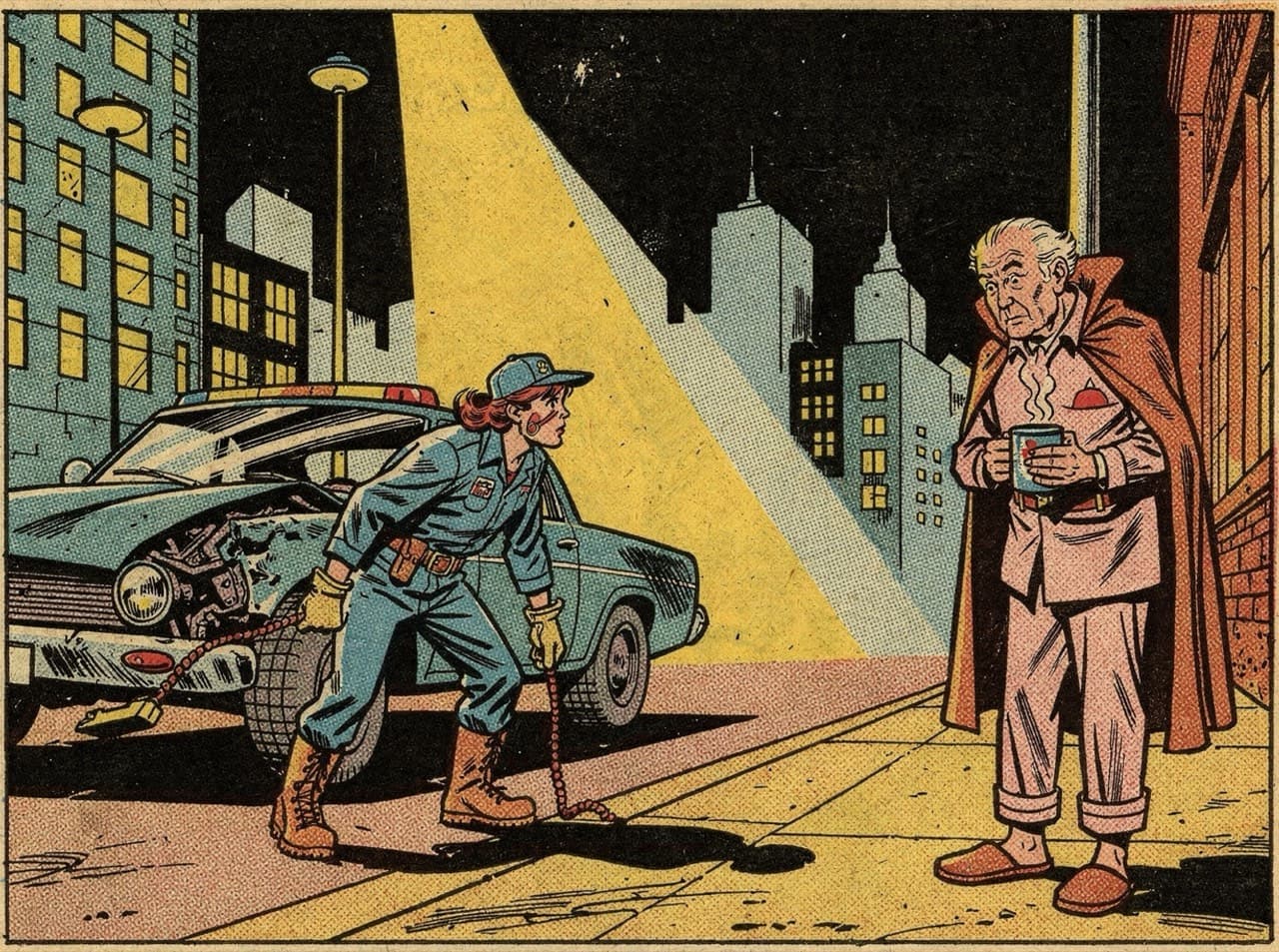
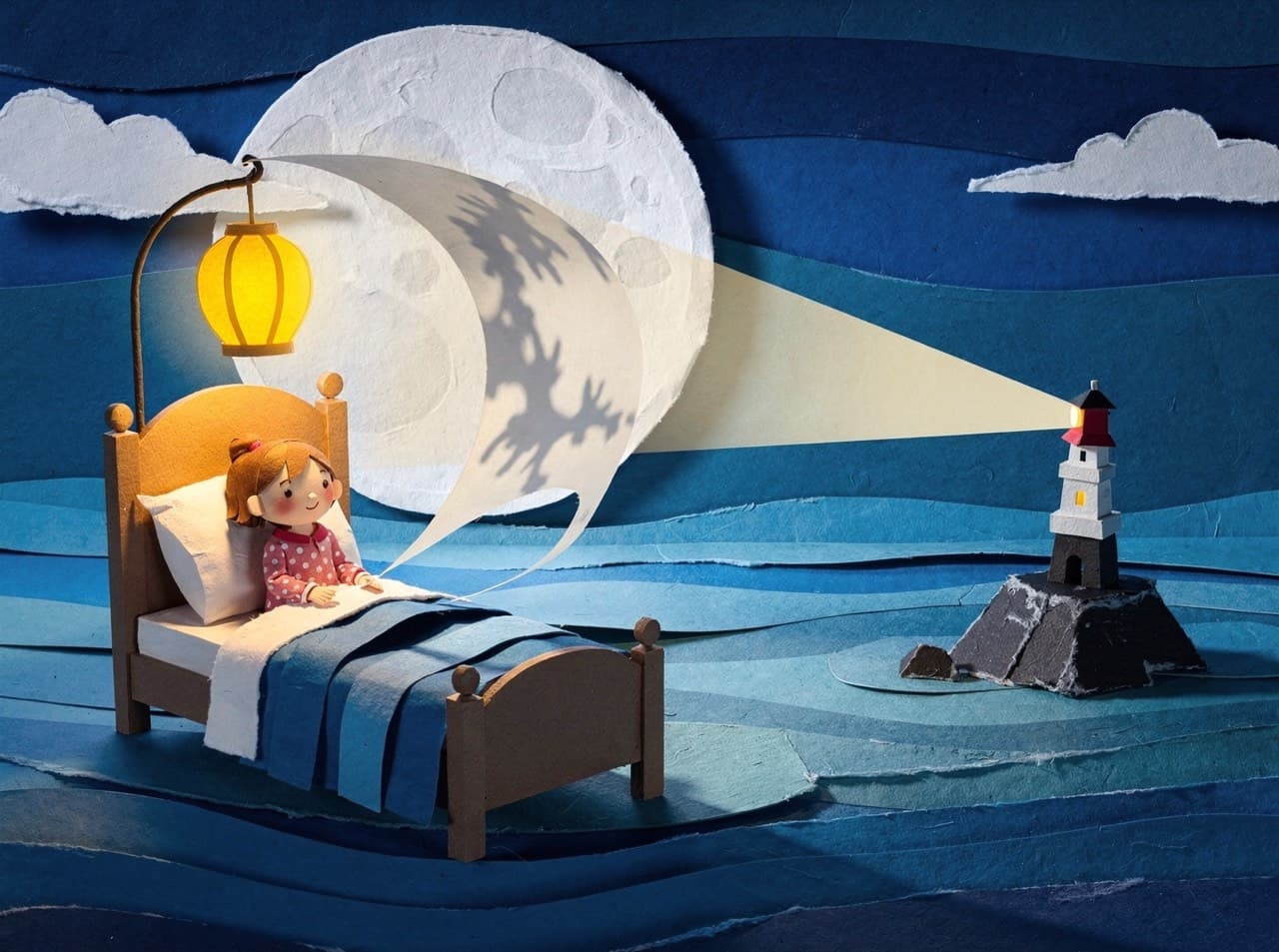
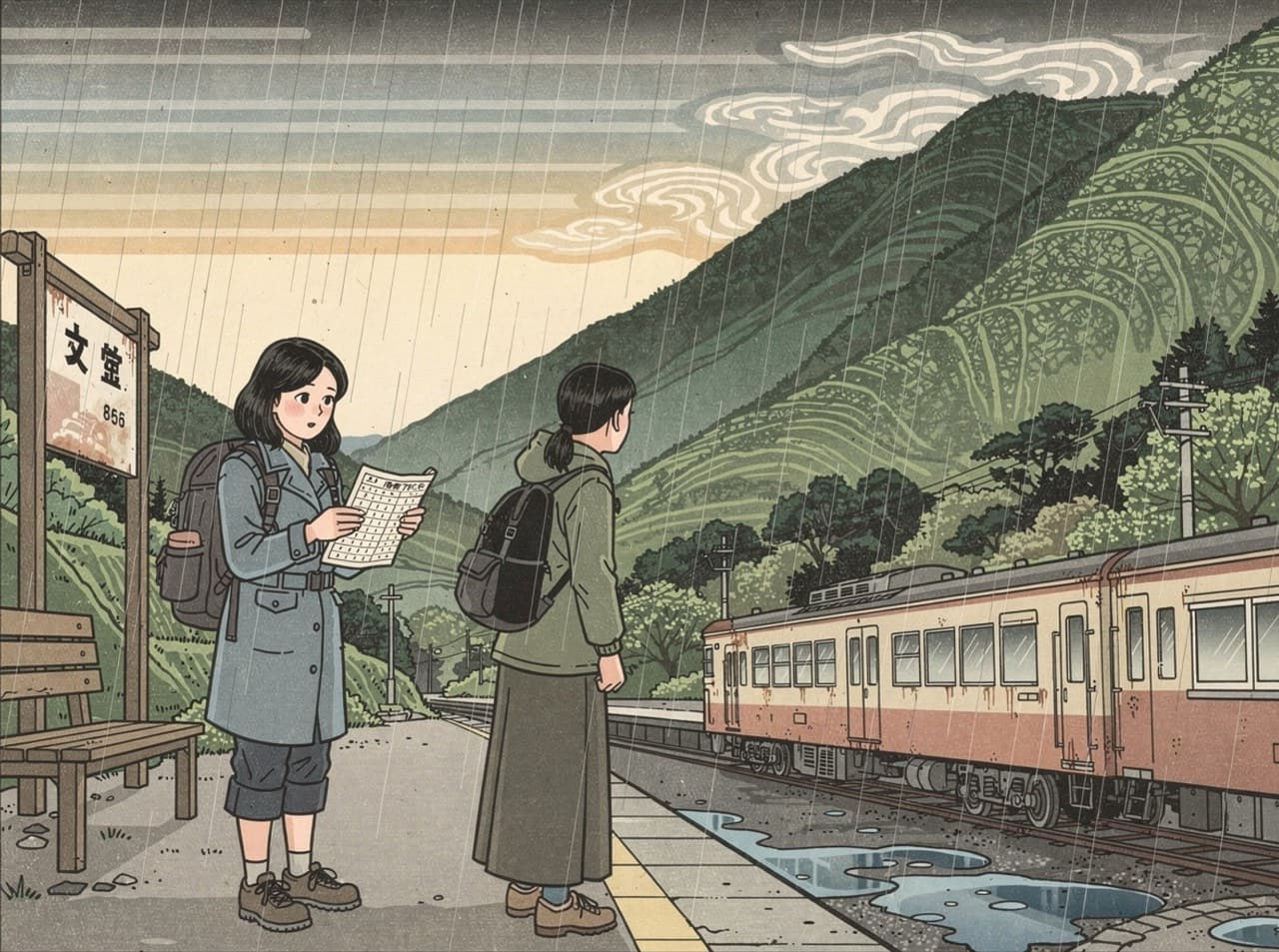
This is the route Panel & Ink's AI comic generator was built for. You type the premise in one box, pick a look (the drawing style — there are twenty-eight on the wall, from Silver-Age halftone to soft picture-book paint), and the studio writes each issue, draws every panel from the cast's own model sheets, narrates it and finishes it as a video and a set of lettered panels.
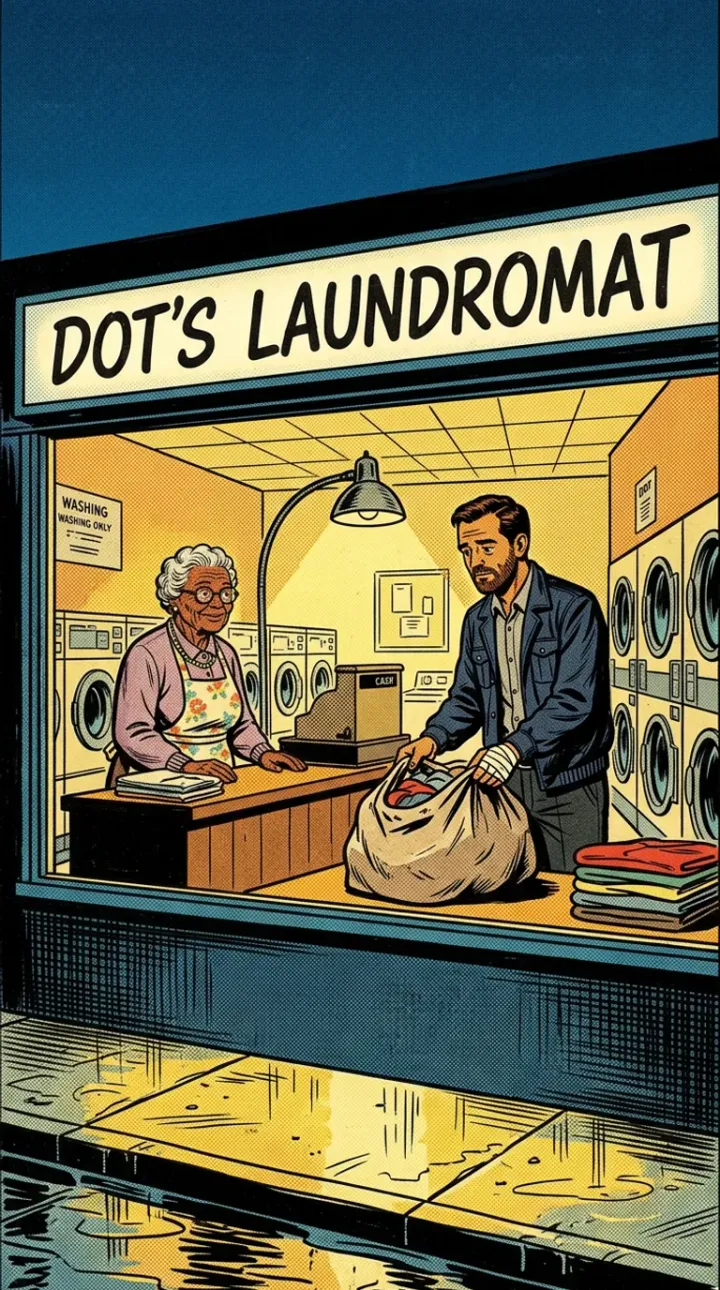
The panel above is from an issue made that way: one paragraph of premise, a cast of three, eight panels. The same character is the same character in every panel because every panel of her is drawn from her sheet, not re-imagined from scratch.
What it takes: one idea, and an hour of your attention per issue — reading the script before the panels are drawn, asking for another take on any panel that misses, and calling it finished. An issue runs about 20 credits; a new account starts with 35 credits, so the first one is covered.
The trade-offs, honestly: the studio draws in its looks, not in a style of your own invention; a panel sometimes misses and you ask for another take; and it is made with image and language models under your direction, which every finished issue says on its label. Named characters someone else owns are not drawn — your own cast, always.
Which one is for you
- A long graphic novel with a collaborator you can find and pay: route 1.
- A one-off joke for the group chat: route 2.
- You want to learn to draw, and the comic is the excuse: route 3.
- You want the comic, issue after issue, with the same cast, and you want it this week: route 4.
Start with one idea
If route 4 is yours, here is the whole first step: write the idea the way you would tell a friend. Who, what they want, what is in the way, and the thing that comes back every issue. One sentence is enough. There are 159 starters on the ideas pages if the box is blank.
Make your first issue — 35 credits when you sign up, no card, nothing to draw.