A comic book issue is about twenty to twenty-two pages of story, and a page usually holds four to six panels. Other formats run shorter or longer. Here are the usual lengths, then the question that matters more for a first comic: how many panels your story needs.
The usual lengths
- A newspaper strip: three or four panels a day. The Sunday strip gets a bigger page and a few more.
- A comic book: about twenty to twenty-two pages of story. The rest of the book is covers and ads.
- A manga chapter: around twenty pages in a weekly magazine, more in a monthly one.
- A European album: forty-eight pages is the classic size.
- A webtoon: one long vertical scroll per update, usually a few dozen panels.
- A graphic novel: often well past a hundred pages.
None of these is a rule about stories. They are the sizes the formats were built around: a magazine's page count, a newspaper's column, a phone's scroll.
How many panels a page needs
On a standard page, four to six panels is the working range. Six, in a grid two wide and three deep, is the reliable default; an artist can stage almost anything in it.
- More panels slow time down. A nine-panel grid is tight and close. Each beat gets a small frame, and the page reads like a held breath. Use it on purpose.
- Fewer panels make a moment bigger. A splash page is one panel for the whole page: the arrival, the reveal, the dragon. One an issue is plenty.
- Each panel is one moment. If two panels show the same thing from the same place, cut one. If one panel needs two things to happen, it is two panels.
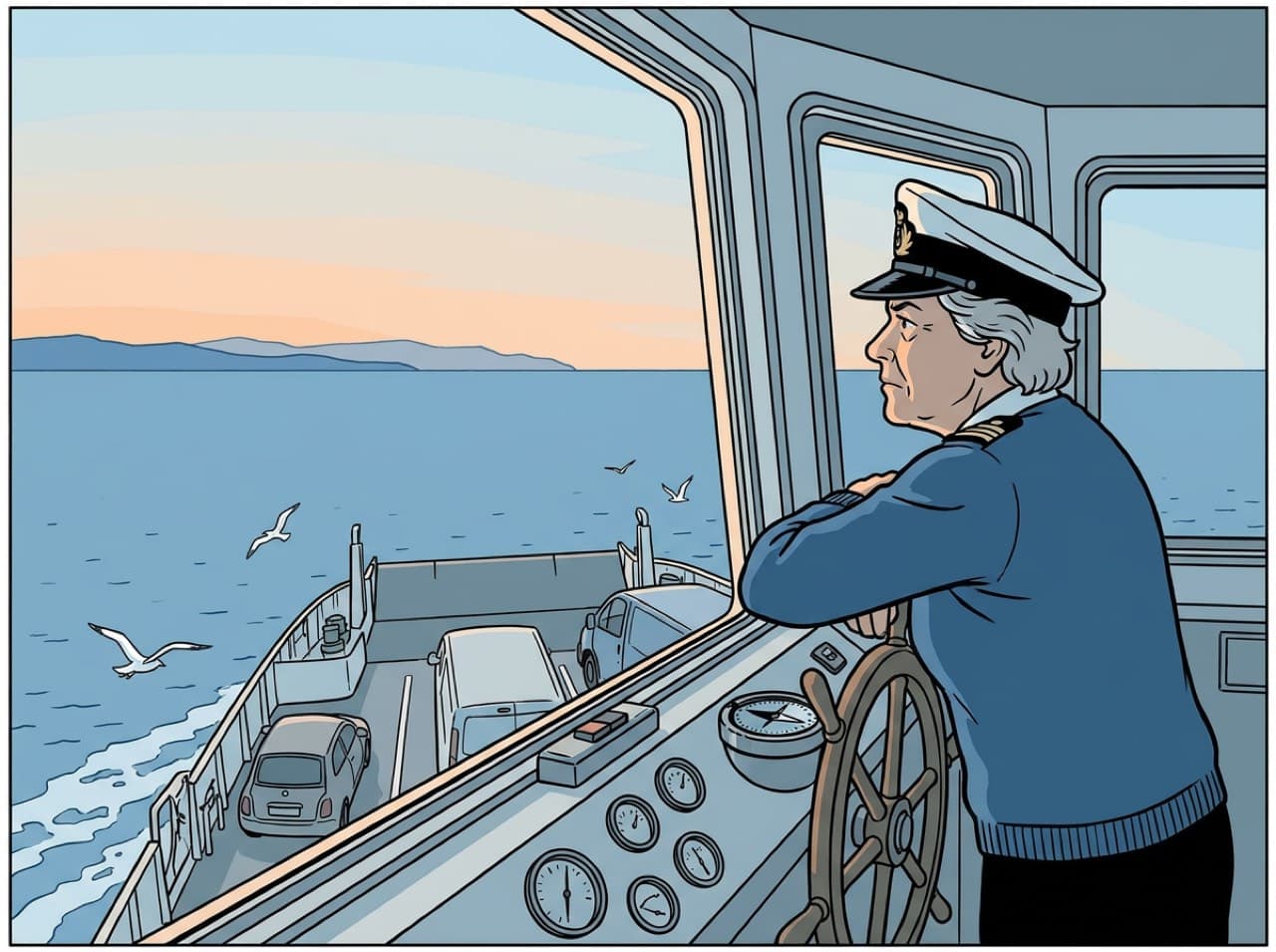
The look changes the rhythm too. A strip look like Sunday Funnies wants a beat and a punchline every few panels; a scrolling look like Webtoon Colour gives each panel room to breathe.

Count the beats, not the pages
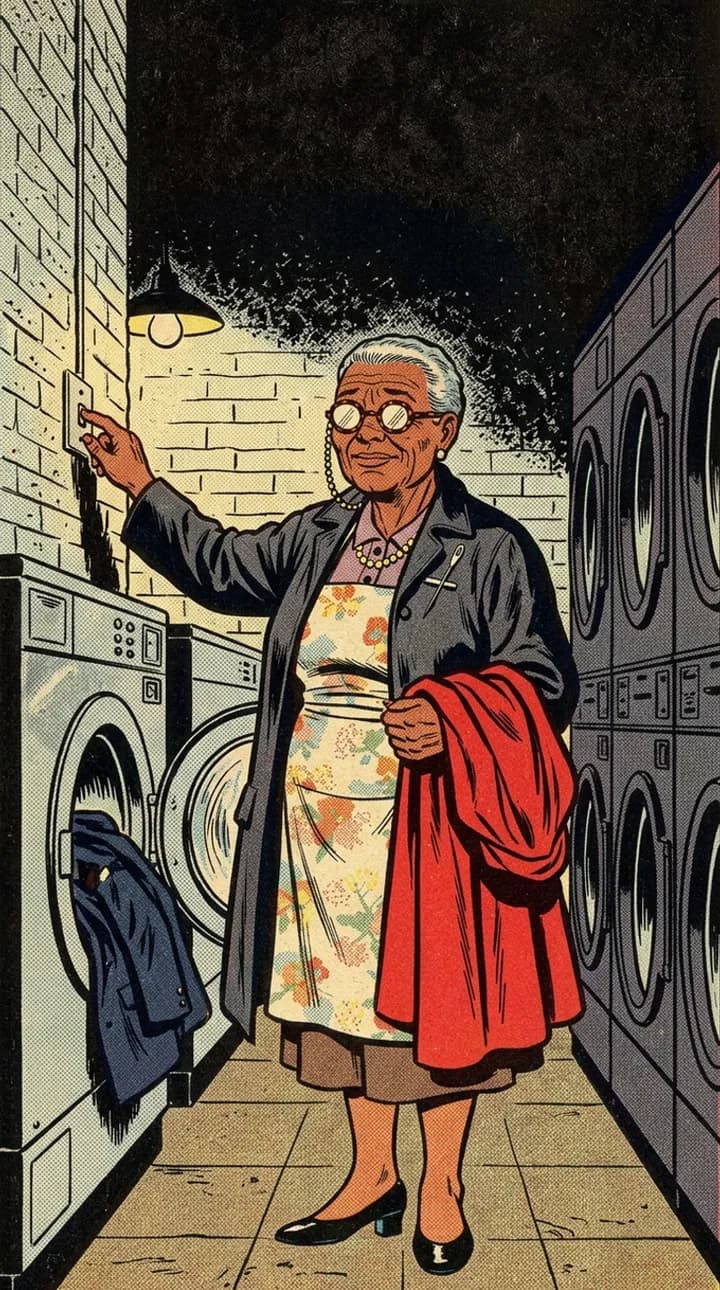
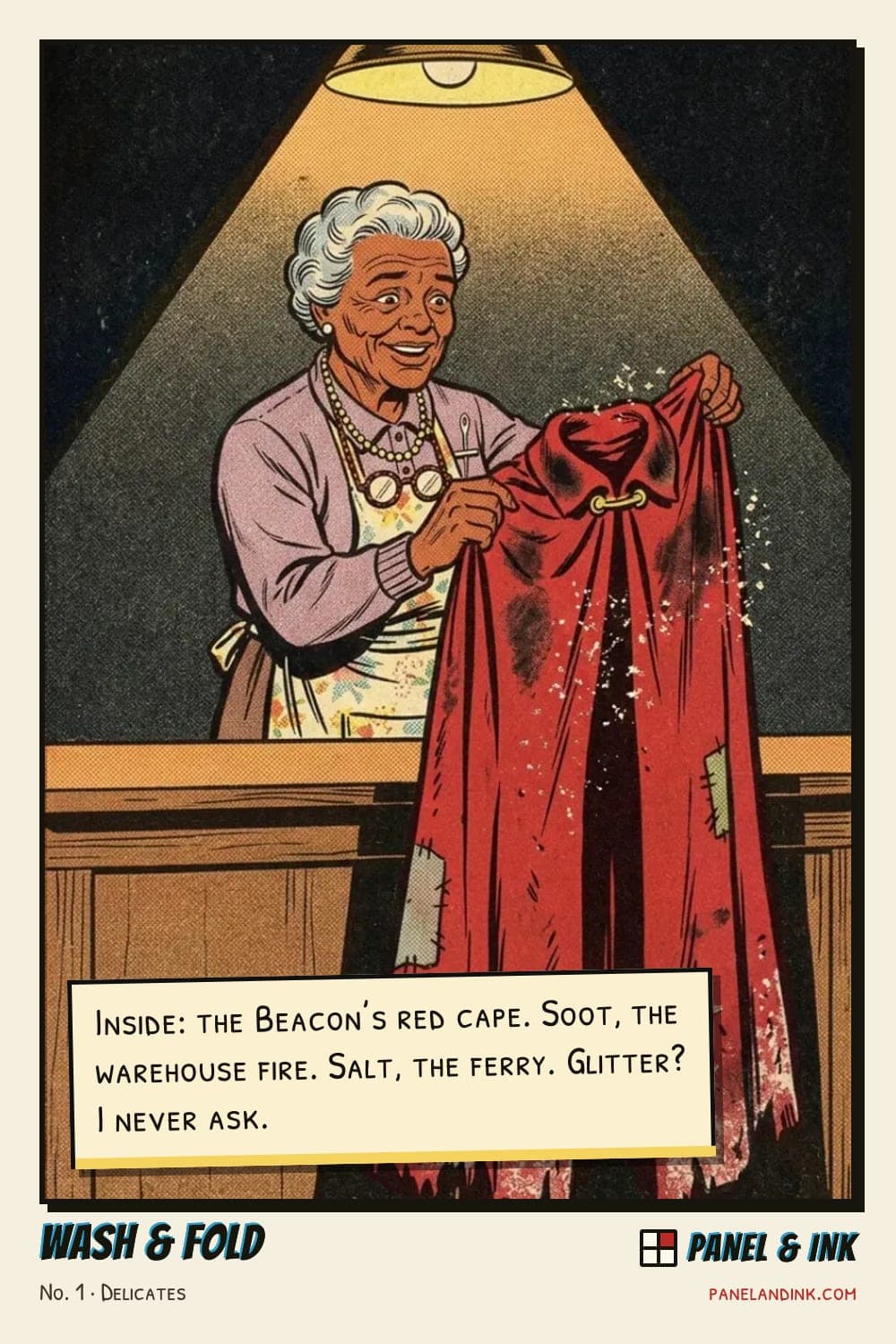
To choose a length, list the beats: the moments the story cannot do without. Give each one a panel. Wash & Fold No. 1, "Delicates", has eight:
- The hook: a ritual and a secret.
- The reveal, and the one joke.
- The kindness, set up.
- The jolt, at the halfway mark.
- The turn.
- The hero, seen once in action.
- The payoff.
- The open question.
Eight beats, eight panels, about a minute read aloud. Stretched to twenty pages, it would be the same story with a dozen panels of Dot folding towels.
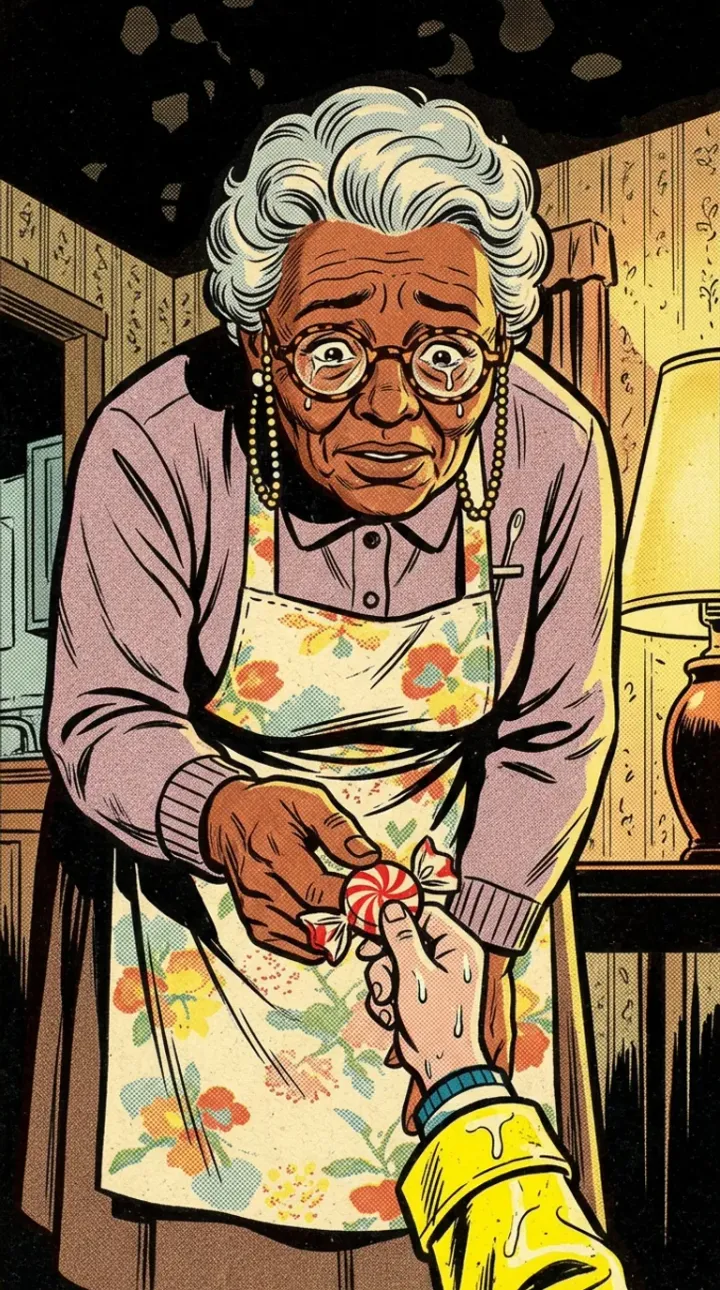
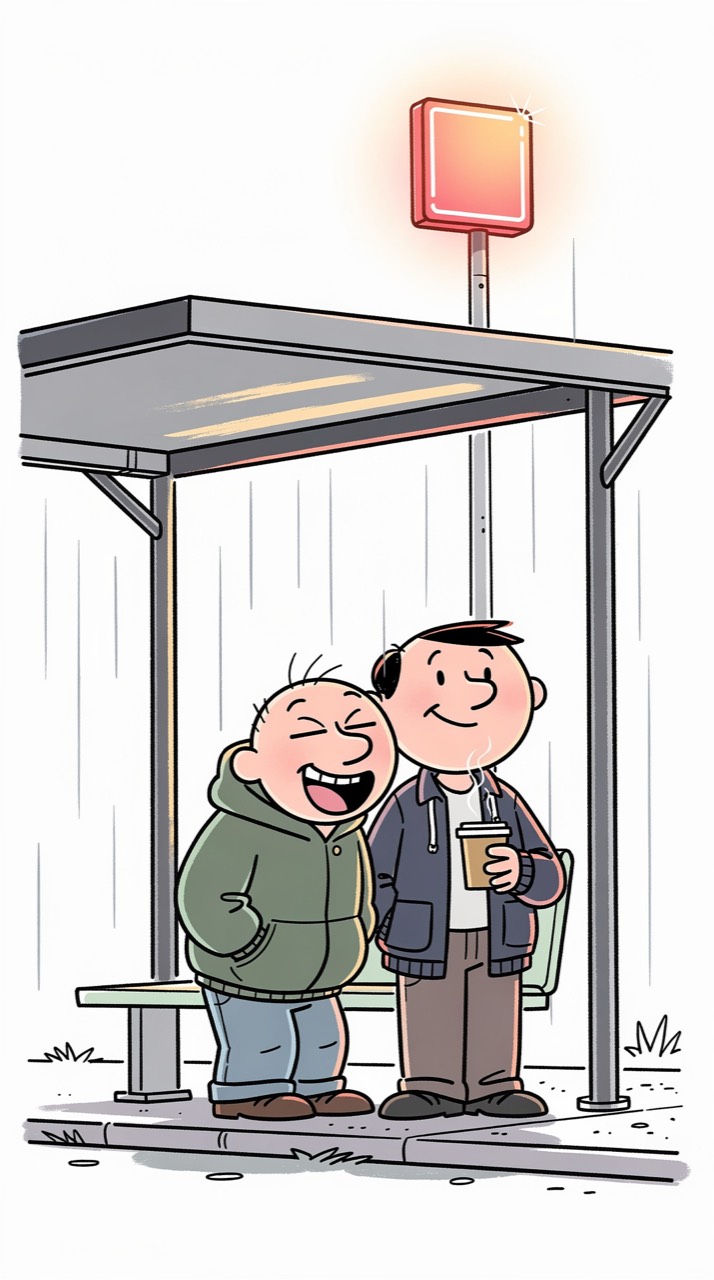
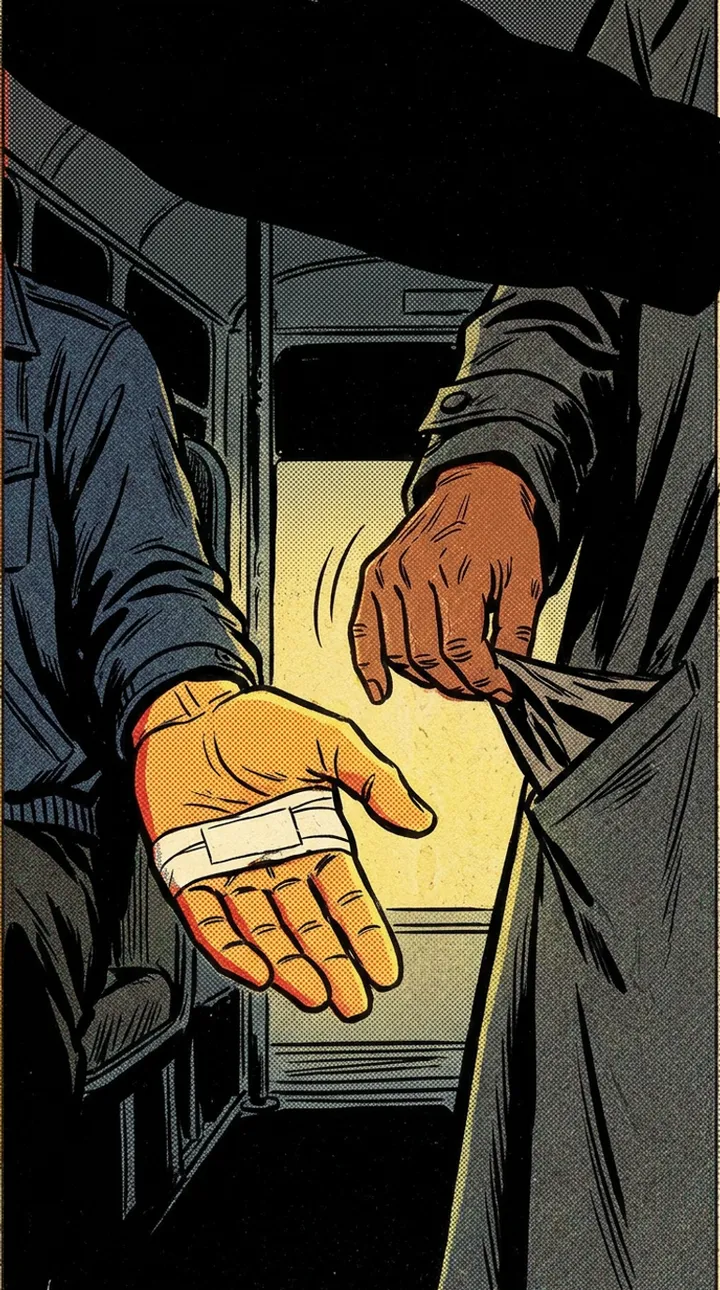
When the beats don't fit, merge before you cut. On No. 3 the writer came back with seven panels and had dropped the beat the issue was about: Walt asks for a peppermint, and Dot's pocket is empty. We moved one line into the panel of Walt on the back seat, which freed a panel for the empty pocket. A beat that happens in the same place as another can share its panel. The beat that is the point never goes.
A first comic: go short
A first comic that gets finished teaches you more than a long one that doesn't. Write one complete issue, small enough to finish in a sitting, with a last panel that opens a question. Then write the second. A series is many short issues that come back, not one long one that has to be perfect.
How long a Panel & Ink issue is
A Panel & Ink issue is six to eight panels, and the writer settles the number from your story. Each panel is drawn tall, the shape of a phone screen, with one narration caption written to eighteen words at most. A panel stays on screen as long as its caption takes to say, and a breath more, so the narrator is never cut off. Wash & Fold No. 2 finished at 51 seconds and No. 3 at 48.
That is short on purpose. A short issue is one a reader finishes and comes back for, and coming back is what a series runs on. Start a webcomic and every issue is written knowing what happened in the ones before it. If you need a premise with something that returns every issue, comic strip ideas for beginners is a place to start, and how to write a comic script covers what goes in each panel.
An issue on a standard look runs about 20 credits (about 25 in a premium look), and it finishes as a narrated video and a set of lettered panels.
Make your first issue — 35 credits when you sign up, no card. Drawn and narrated by Panel & Ink's AI comic generator; the story is yours.