Every table has one player who writes the session recap, and most tables have nobody who reads it. Six paragraphs in the group chat on a Tuesday, starting "So after we left the tavern…", scrolled past by Thursday. Then the next session opens with twenty minutes of "wait, who was the guy with the boat?"
A comic fixes that because it is short and it has faces in it: six to eight panels, the party drawn the same way in every one, one caption a panel, read aloud in about a minute. Here is how to turn a session into an issue, and keep a campaign going as a series.
Set the campaign up once
The comic is the campaign, and each session is an issue. You set it up one time:
- The premise. The world and what the party is after: the cursed coast, the debt to the thieves' guild, the dragon nobody has seen. A paragraph is plenty. The D&D campaign page has two to start from.
- The rating. Teen suits most tables: fights, scares, loss and some language, like a PG-13 film. Pick Everyone if there are kids at the table, and Mature only for a grim campaign; it asks for an 18+ tick.
- The party. Each character gets a model sheet, and a comic keeps up to eight regulars: the party, plus the villain or the innkeeper who keeps turning up. Describe each one the way their player sees them, or add a sketch someone at the table drew. The sheet is why the fighter's scar is on the same side in every panel.
- The places. The tavern, the ship, the dungeon you went back to three times get the same care as the cast.
One rule that matters at a D&D table: the studio draws your own characters, not named ones someone else owns. If you're running a published adventure, give its famous villain a name and a face of your own.
Pick a look the world lives in
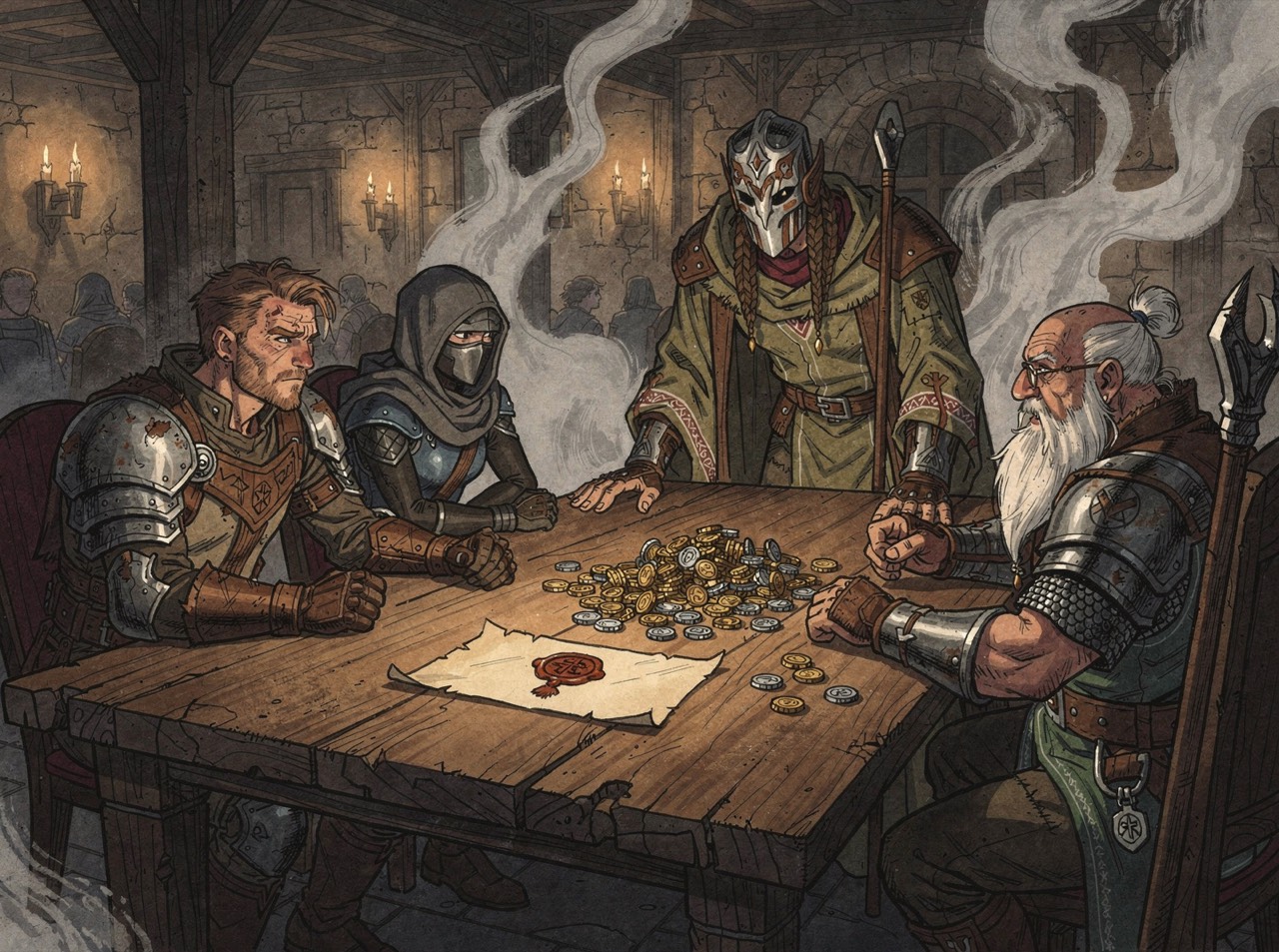
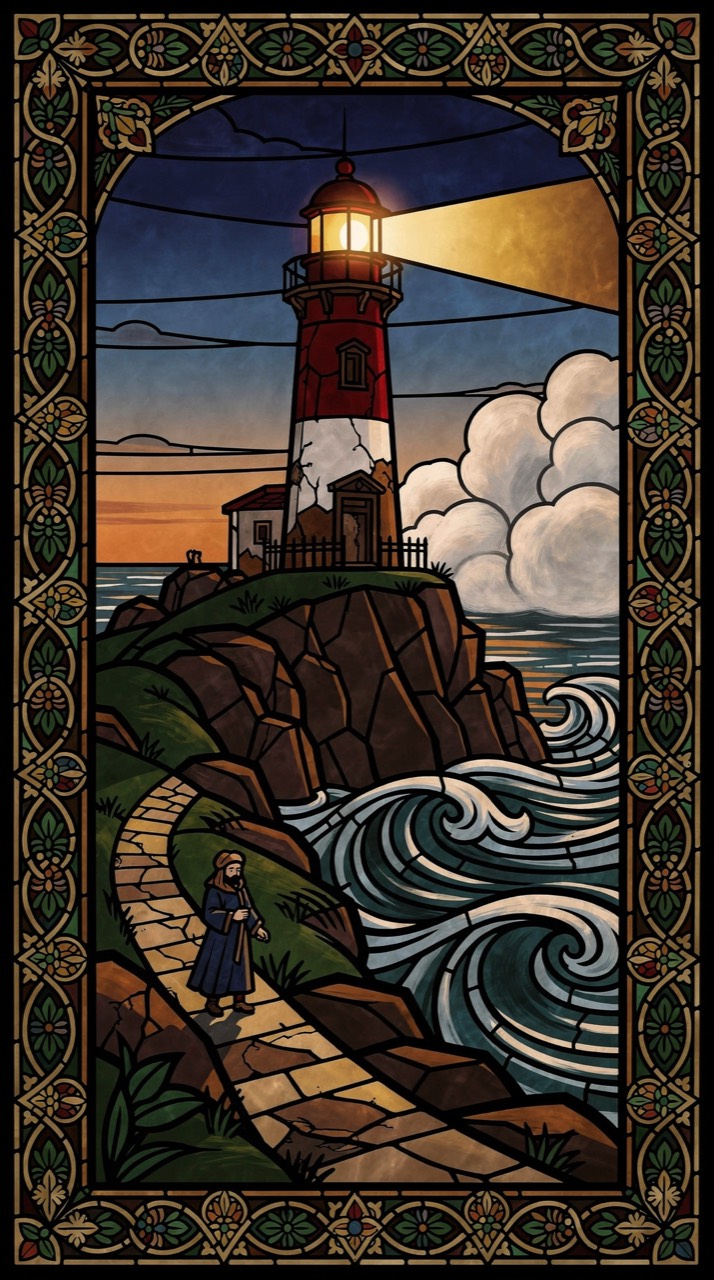
Every issue of the campaign is drawn in the look you pick, so the world feels like one place from the first session to the thirtieth. Painted Graphic Novel for high fantasy. Woodland Fable for a gentler, fairy-tale table. Stained Glass for a campaign full of gods and visions. Shonen Ink if the fights are the point. The fantasy ideas page shows the looks that suit the genre, and premises to borrow from.
Turn a session into an issue
After the session, write what happened in the comic desk's ideas box: a paragraph, or a page of notes. "Turn my ideas into issues" makes them into an issue's brief, and you can change the brief before the issue is written. What to put in:
- One thread, not the whole night. Six to eight panels is one heist, one fight or one betrayal. Three threads is three issues, or one issue and two notes for later.
- The story, not the dice. "Rolled a 1 on the climb" becomes "the rope snapped." "Crit on the dragon" becomes "her axe found the one loose scale." The comic is what the characters lived, not what the table rolled.
- The line everyone quoted. Write it down word for word. The writer works it in, and you check it survived.
- Where you stopped. An issue ends on a question, and so does a good session. The cliffhanger your DM ended on is the last panel.
The writer reads the story so far before it writes, so the betrayal in session three still matters in session ten.
Check it before it's drawn
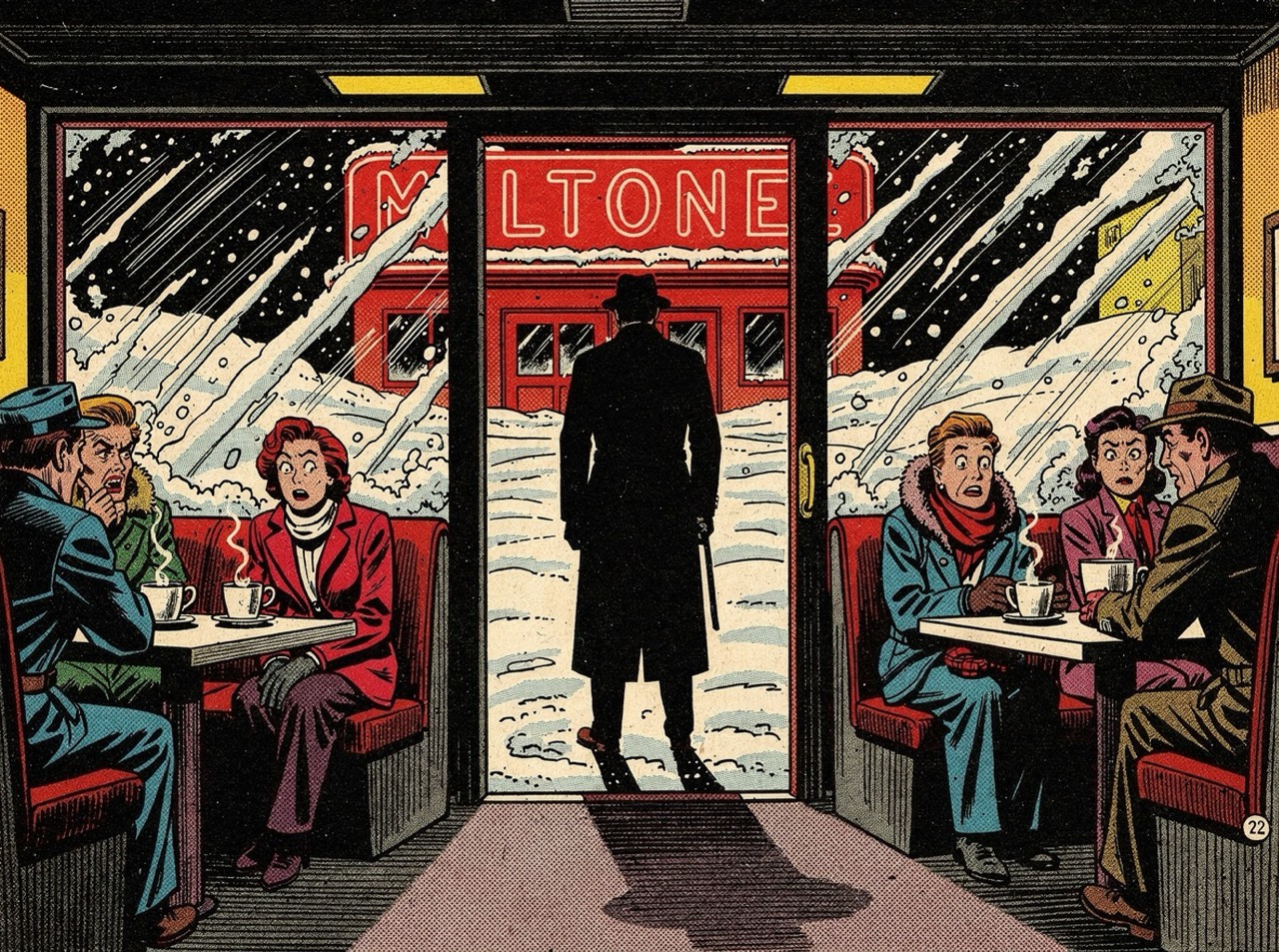
You read the script before a single panel is drawn, and this is where a recap is made right. Check the spelling of every place you made up, and which character did what: the table will notice if the rogue gets the wizard's big moment. Change any caption that doesn't sound like your campaign.
Then the panels are drawn. If one misses, the cleric's holy symbol is wrong or the ranger has lost her bow, ask for another take on that panel alone.
Give it to the table
Finish the issue and it is narrated, lettered and put together. Then:
- Send the link. Turn on "Share this issue" and it gets its own page: every panel, its caption and the narration, readable on a phone with no account. Drop it in the group chat the day after the session, while everyone still remembers.
- Play it at the start of the next session. The narrated video runs about a minute: a "last time on" that ends exactly where you stopped. Nobody asks who the guy with the boat was.
- Keep the panels. "Download the panels" gives you every panel as a picture file, plain and lettered, with the captions as text. Put them in the campaign notes, or print the best one for behind the GM screen.
One night, or the whole campaign
A one-shot is one issue, and if the table ever meets again, the next session is issue #2: turning a one-shot into a comic works the same way. A campaign is a story that comes back every session, which is exactly what a comic series is for.
An issue on a standard look runs about 20 credits, and a new account starts with 35 credits, so your first issue on a standard look is covered. The premium looks cost more, about 25 credits an issue.
Turn last session into issue #1: nothing to draw, and the story stays your table's.