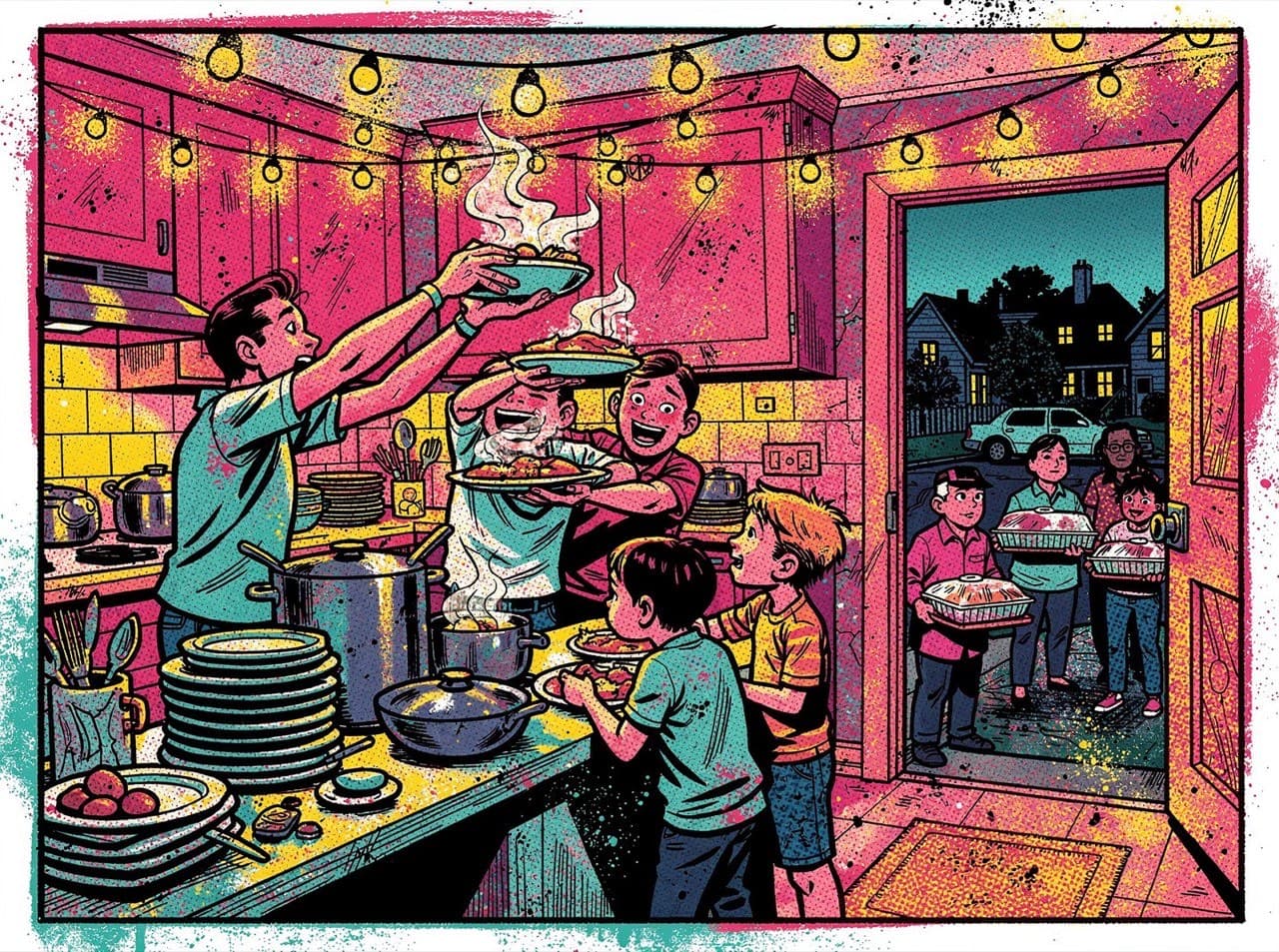
Every couple has a story of how they met, and it gets a little better every time it's told. The delayed train. The wrong barbecue. The friend who swore you'd hate each other. Then Valentine's Day comes round, and the card you buy says none of it.
A comic can say all of it. Eight panels of the night you met, with the two of you drawn in them, is a present nobody else could have given. You don't need to draw. Here's how to make one.
Choose the moments, not the whole relationship
An issue is six to eight panels with one short caption each. That's room for one story, not the last five years. Pick the one you tell at dinner, and break it into moments someone could picture:
- Where you were. The platform, the party, the queue for the only working ticket machine.
- The first thing you noticed. The bobble hat. The terrible joke. The book they were reading upside down.
- What went wrong. A good how-we-met has a problem in it: a missed stop, a wrong name, an umbrella never given back.
- The line. Whatever one of you said that the other still quotes back.
- The last panel. The moment you both knew, or where the two of you are now.
If your story won't fit in eight panels, good. That's issue #2.
Write it the way you tell it
The premise box on the first step wants the story in a paragraph: who, where, what went wrong and how it came out. Use your real names and the real place. A premise from the anniversary page shows the size:
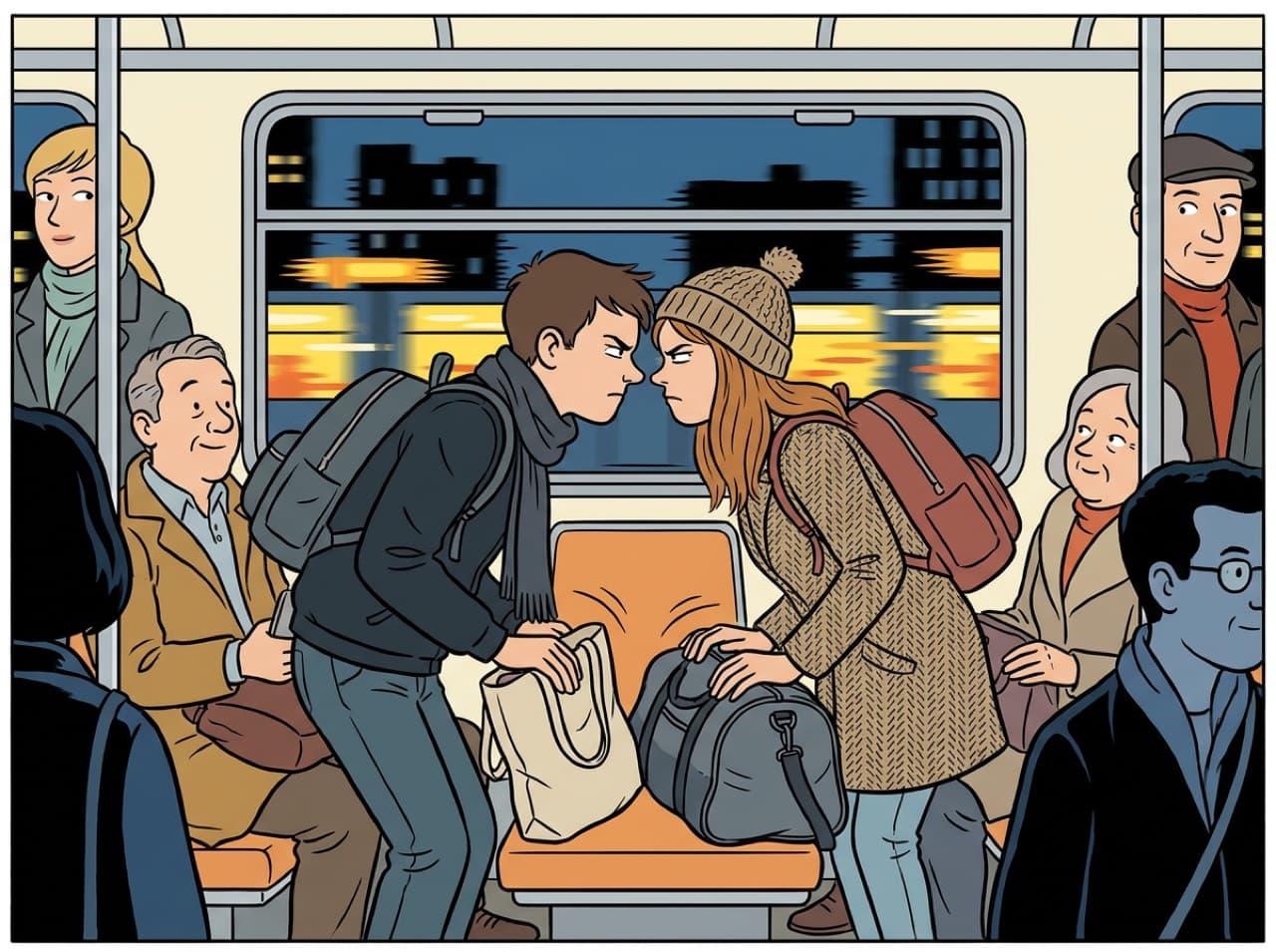
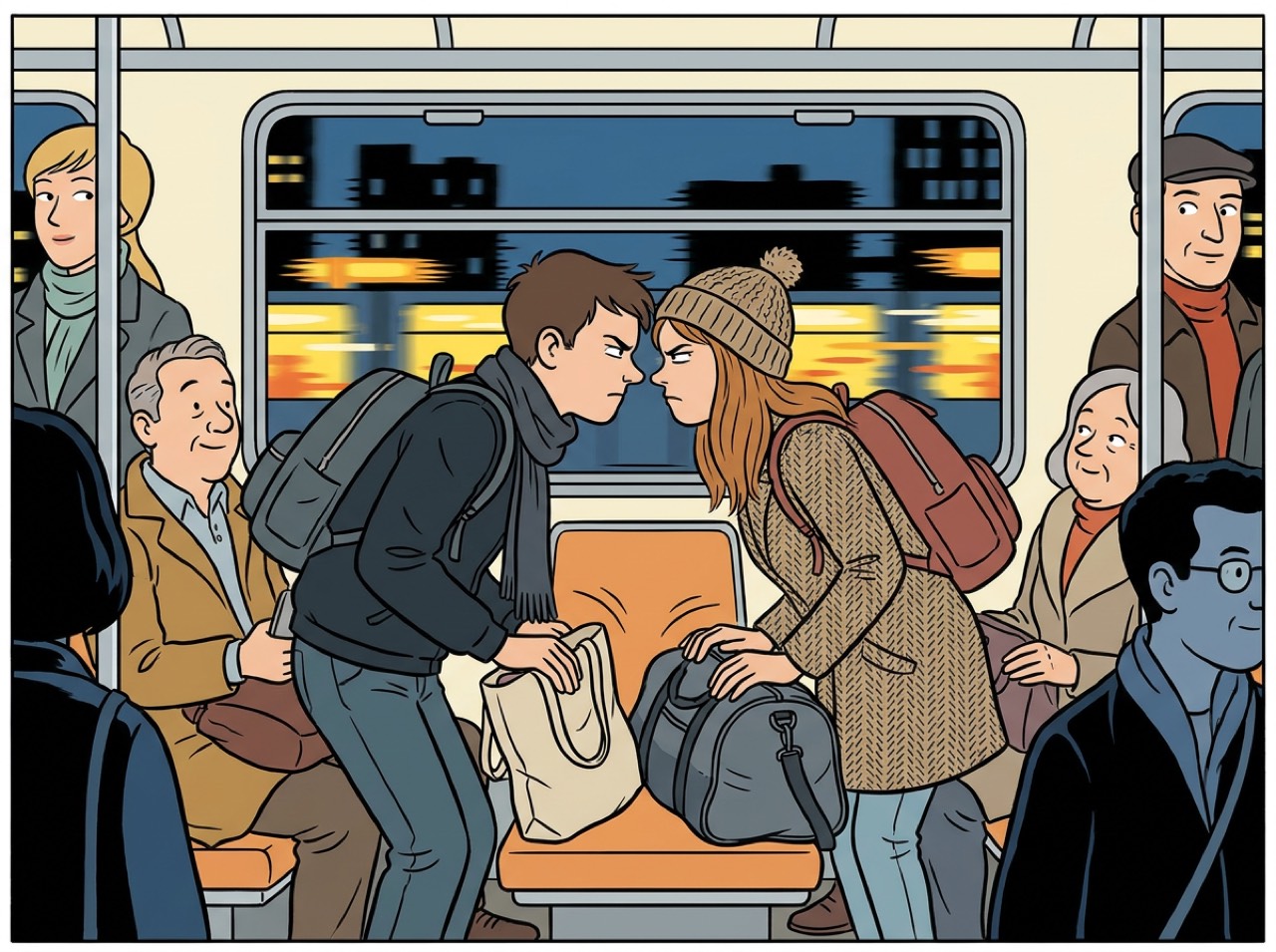
Sam and Priya met fighting over the last seat on a delayed night train, and every year since they've taken a train somewhere neither of them has been.
Choose the rating on the same step. Everyone or Teen keeps it sweet. Mature puts the romance on the page, but sex stays off it and nothing is explicit; you tick once that you're 18 or older, and anyone who opens a shared Mature issue is asked whether they are 18 first.
Put the two of you in it
Each of you gets a model sheet on the cast. Add a photo, and the studio asks you to confirm you have permission first: yours is easy, and your partner's means asking. It writes a description from the photo for you to edit, then draws takes in your look, and you pick the one every panel follows. It's the same two faces in panel one and panel eight.
If it's a surprise, skip the photo and describe them in words: the hair, the glasses, the coat they wore that night. The studio draws them from your description, and the surprise stays whole.
Pick a look that suits the two of you
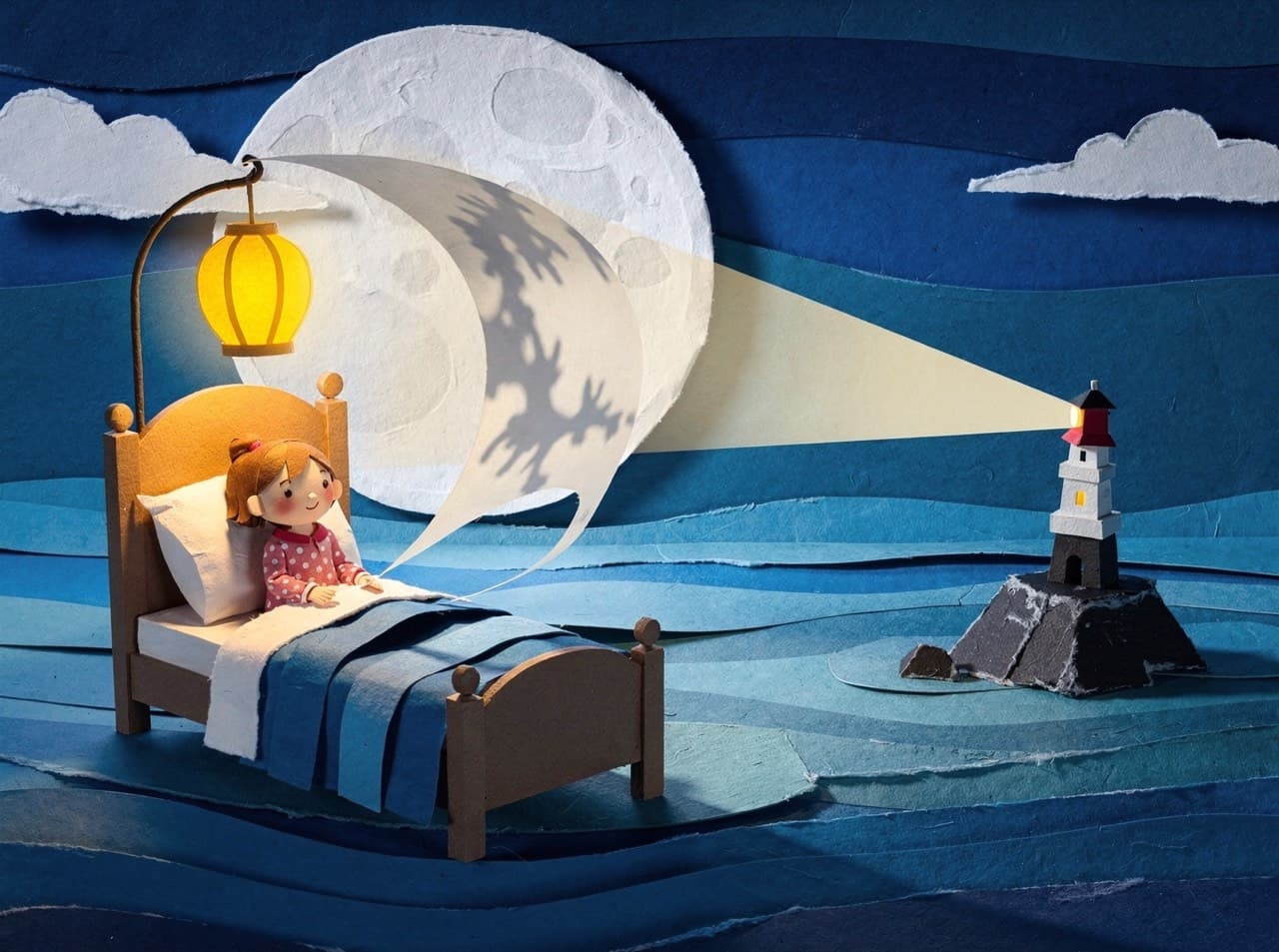
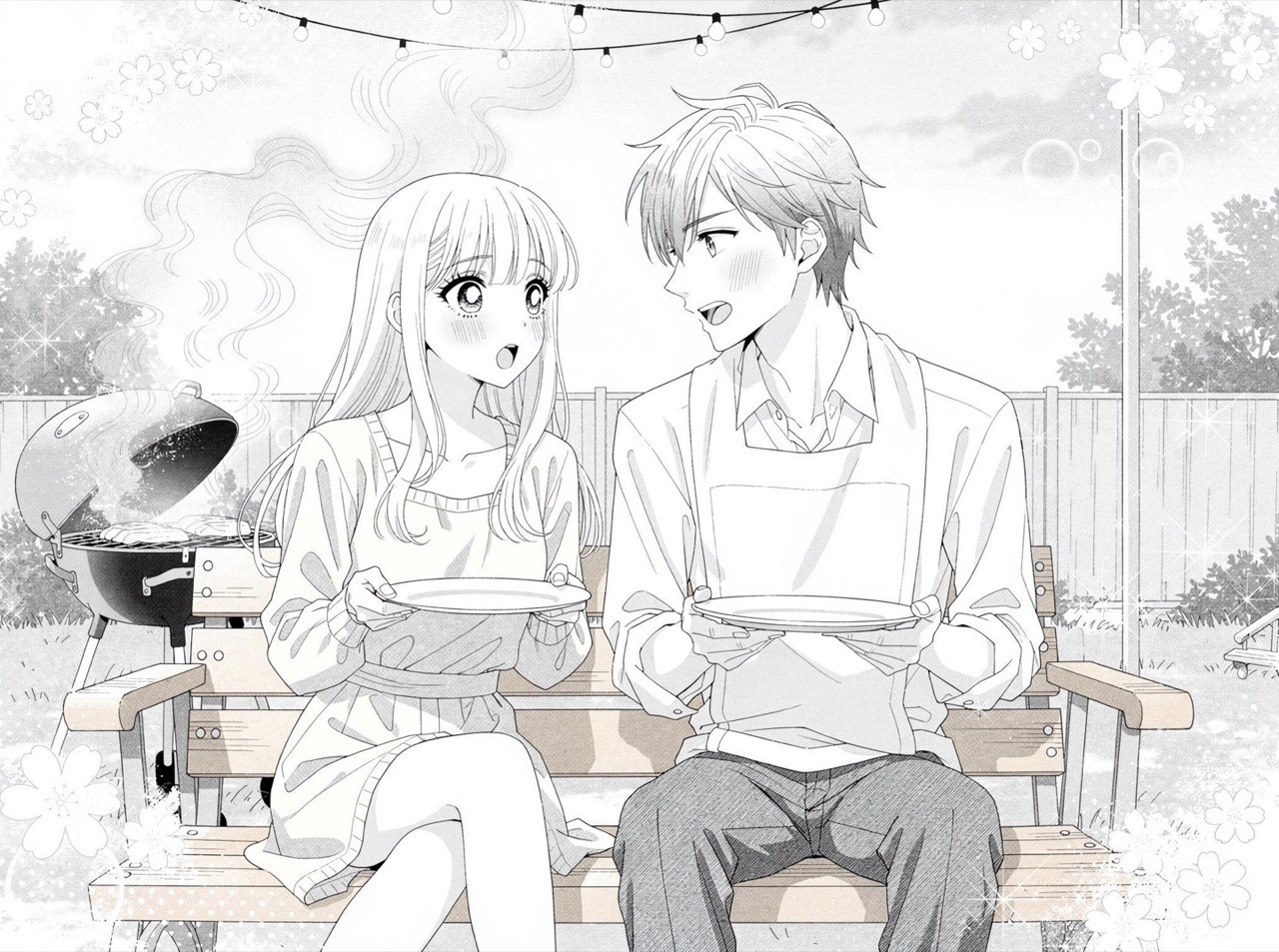
The look is the drawing style, and the whole comic keeps it. Four that suit a love story:
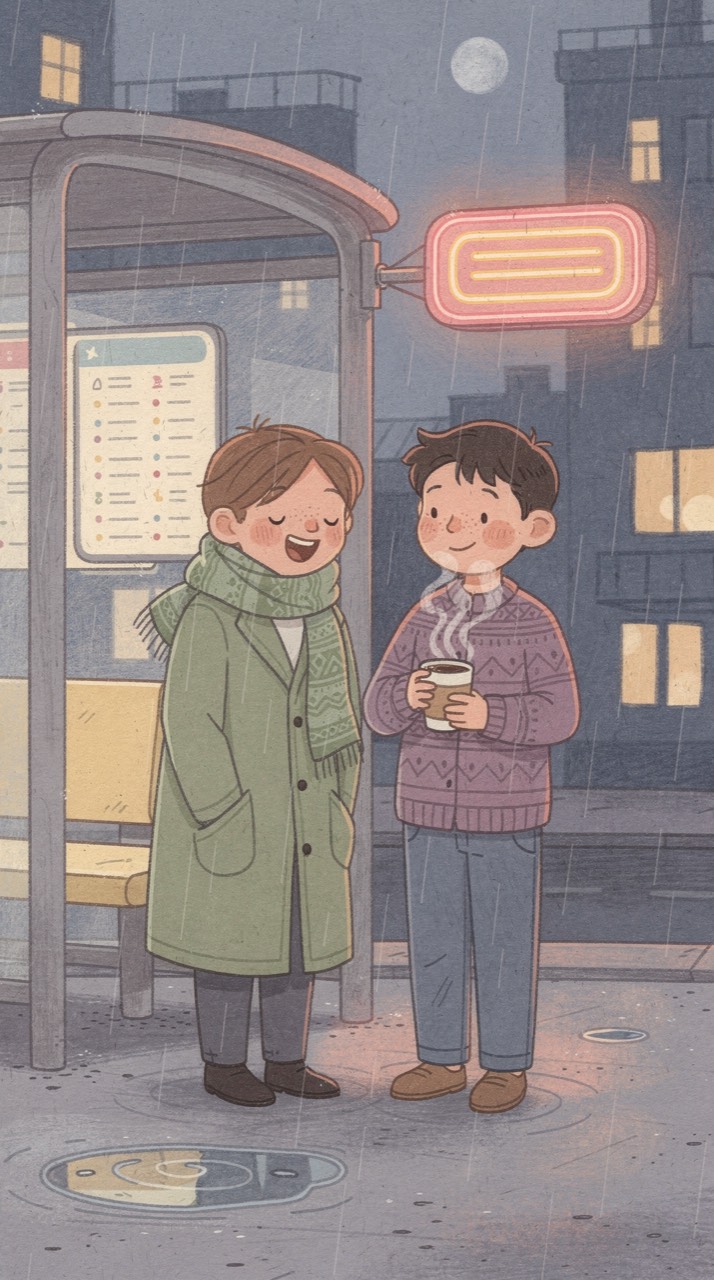
If your story turns on a small habit, like the umbrella you kept swapping or the café you kept going back to, the romance ideas are built the same way.
Read it before it's drawn
The studio writes the script first, and you read it before a single panel is drawn. Check the names, the place and the line, and change any caption that doesn't sound like the two of you. When the panels come in, ask for another take on any that miss.
Then, if you like, read it yourself. Once the panels are approved, each panel's narration has a "read it yourself" button. Your recording takes the studio narrator's place in that panel of the video, and recording is free. Your own voice on the last line is the part they'll play again.
Three ways to give it on the day
- As a link. Turn on "Share this issue" on the finished issue and it gets its own page: every panel, its caption, and the narration read aloud, on any phone, no account needed. Paste it into a message and panel one shows as its cover.
- As a video. The issue downloads as a narrated video with music, shaped for a phone. Play it at dinner.
- On paper. "Download the panels" gives you a zip of every panel, plain and with its caption lettered in, and the captions as text. Print your favourite small and glue it into a card, or print all eight and staple them into a little book.
There's more on comics as presents in how to make a personalized comic book as a gift. If the how-we-met is heading for a wedding, the wedding comic page tells it for the reception.
When to start, and what it costs
The making takes an evening, but don't leave it to the night before. Give yourself a week, so there's time to read the script and ask for a take or two again, and longer if you're printing.
An issue on a standard look runs about 20 credits. A new account starts with 35 credits, enough for your first issue on a standard look, and they last 14 days, so sign up when you're ready to make it.
Make your first issue and give them the story of the two of you, drawn the way it deserves.