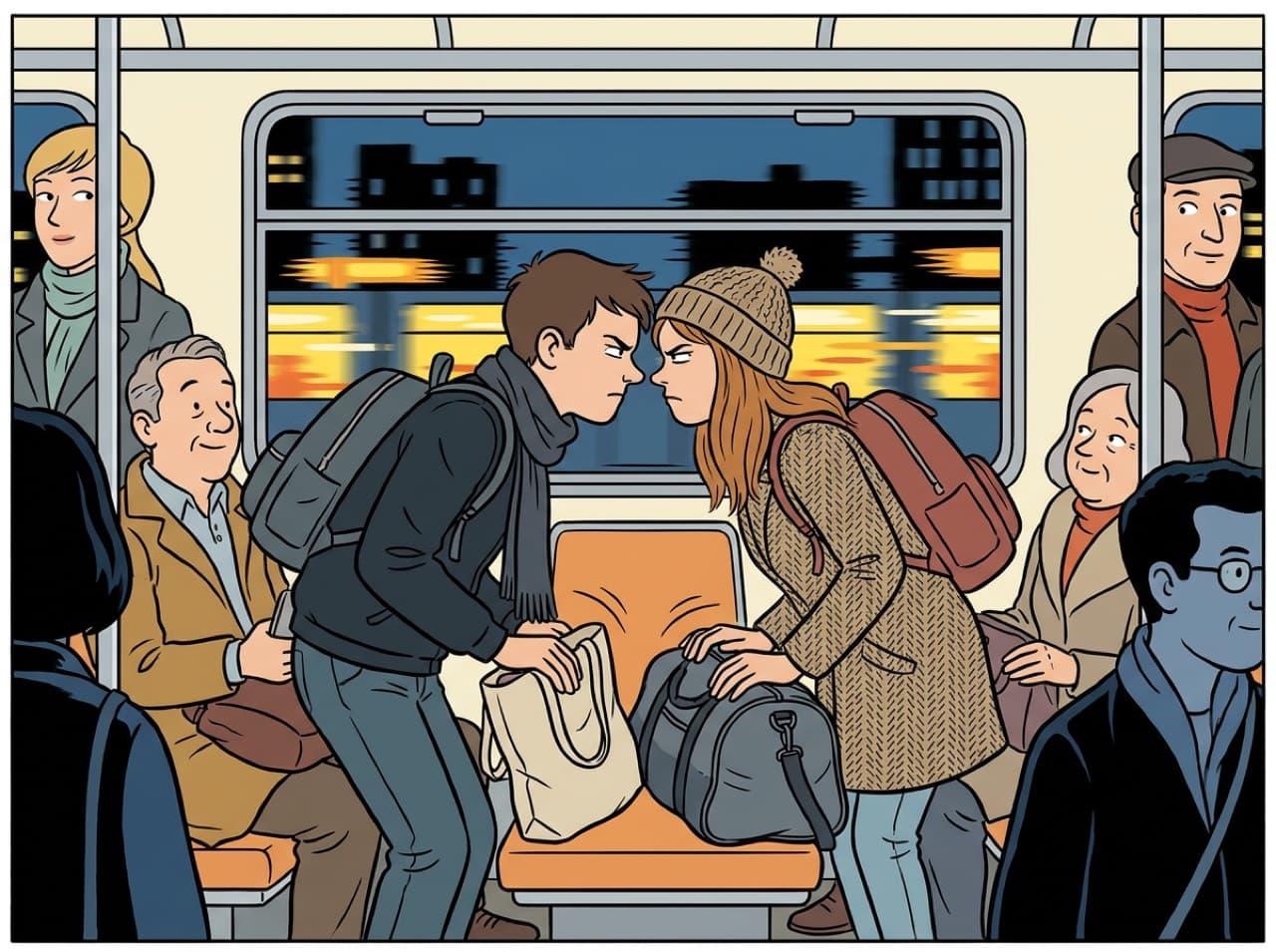
Most holiday cards say the same thing every year: a greeting, a signature, a photo of everyone squinting into the sun. A comic says what this year was. The house move. The broken arm. The night the oven gave up with the whole family already on its way. Eight panels of that, with your family drawn in them, is a card nobody puts in a drawer.
It works for whichever winter holiday you keep: Christmas, Hanukkah, New Year, the solstice, or the tradition only your family has. Name it in the premise and the food, the lights and the rituals follow it.
What to put in it
An issue is six to eight panels with one narration caption each, so you are choosing six to eight moments, not telling the whole year. Some shapes that work:
- The year in eight panels. One moment a panel, in order: the new job, the camping trip that flooded, the first day of school. The last panel is everyone together, which is the point of a card.
- The family's running joke. The tree that is too tall every year. The latke contest Grandpa has never lost. One joke, built panel by panel, with the payoff last.
- The dog's first snow. A new puppy, a white garden, a family at the window. The dog gets a model sheet like everyone else, so it is the same dog in every panel.
- The ones who travelled. The grandparents who crossed an ocean for the feast, told from the doorway.
- A small disaster, saved. The power cut on New Year's Eve, and the countdown by candlelight.
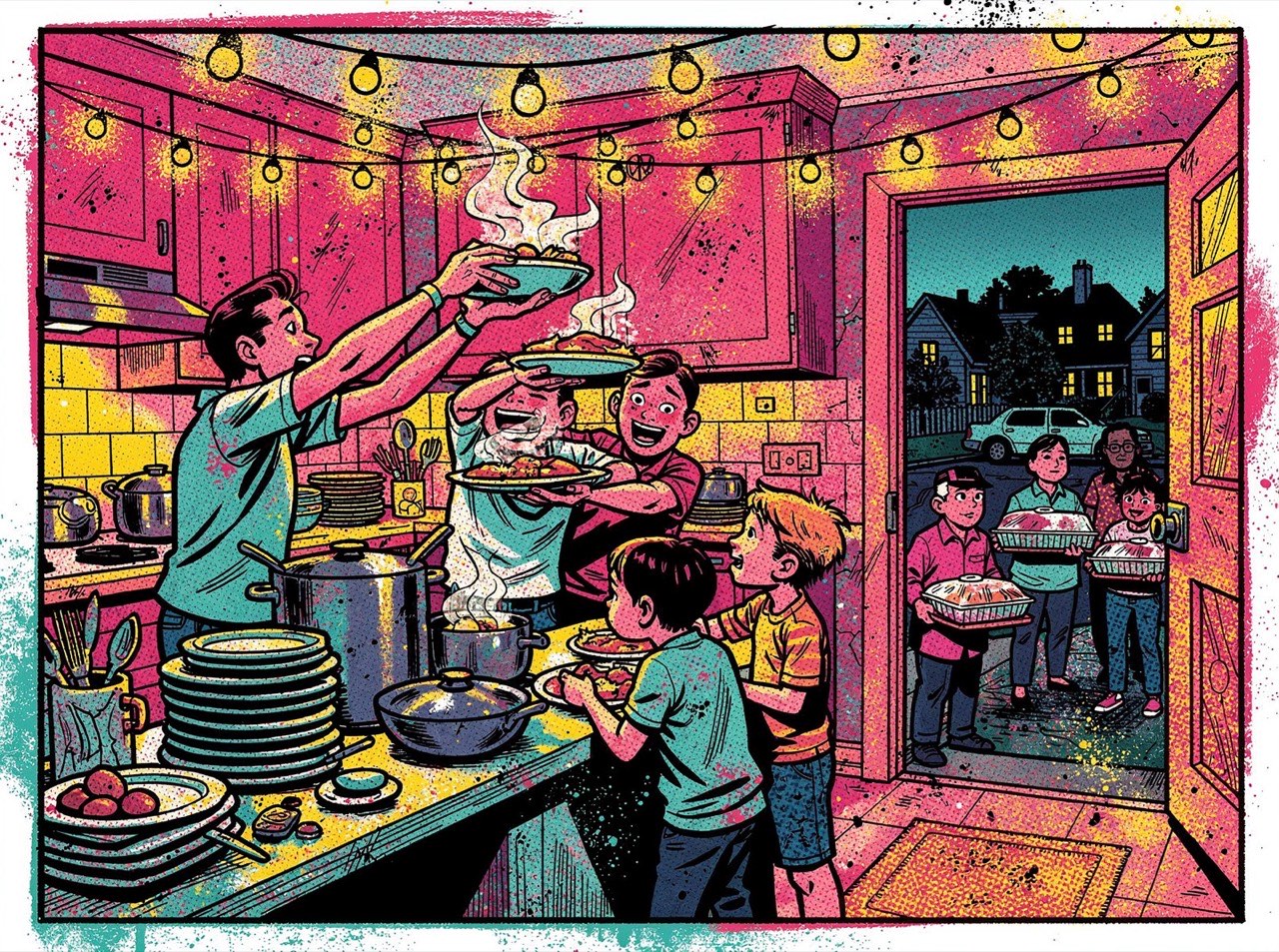
Write it the way you'd tell it at the table: who is in it, what went wrong, how it ended. One paragraph is plenty. The holiday comic page has two premises you can start from as they are.
Put the family in it
Everyone who should be in it gets a card on the cast. Add a clear photo of each person, with their permission, and they are drawn from a model sheet, so Grandma is the same Grandma in panel two and panel eight. Or describe them in words: the reindeer jumper, the glasses on a cord. A comic keeps up to eight regulars, so a big family picks the people this year's story is about.
Choose Everyone for the rating on the first step. It keeps the comic warm and kid-safe, so every relative on the list can read it.
Pick a look that feels like the season
The look is the drawing style, and there are twenty-eight on the wall. A few that suit a holiday:
- Paper Cut-Out already looks like a card: layered paper figures and soft shadows. See Paper Cut-Out.
- Stained Glass for a season of candles and long nights.
- Sunday Funnies if the issue is the running joke.
- Street-Pop Remix for a loud, neon greeting.

Read it before it's drawn, then read it yourself
The studio writes the issue first, and you read the script before a single panel is drawn. Check the names, the in-jokes and the last line, and change any caption that doesn't sound like your family.
Then decide who narrates. The studio's narrator reads every caption, or you can: the storyboard's "just the words" view lets you read the whole issue aloud in one sitting, and each reading takes the narrator's place in its panel. It costs nothing. Pass the phone round the table and let the youngest read the last line.
When the panels are drawn, ask for another take on any that miss, then finish the issue.
Three ways to send it on the day
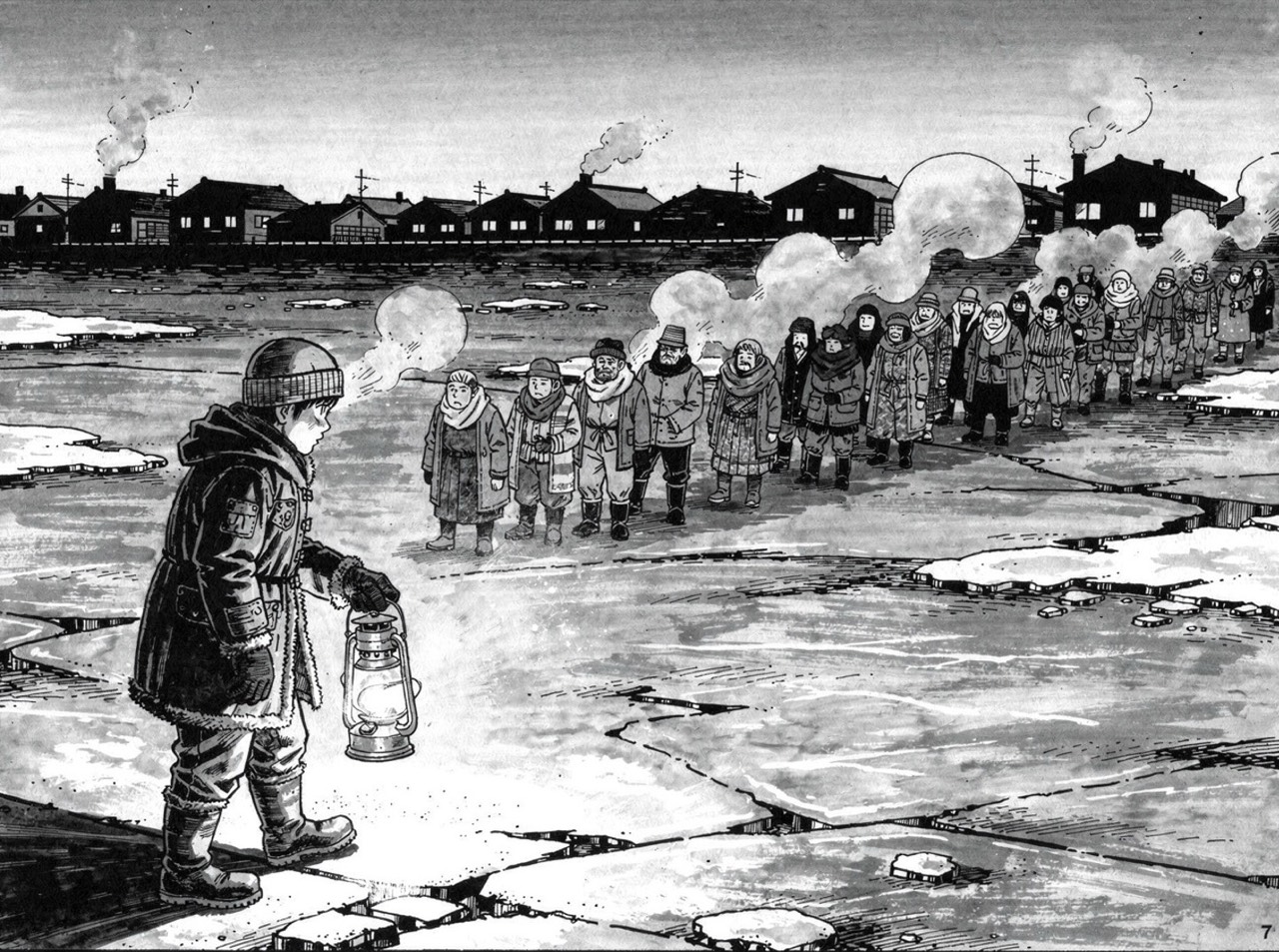
A finished issue leaves the studio three ways, and a holiday comic can use all of them:
- In a card. "Download the panels" gives you every panel as a picture file, plain and with its caption lettered in. They are tall and sized for screens, so print one small, a few inches high, and glue it to the front of a folded card. Write the issue's link inside.
- As a link. Turn on "Share this issue" and the comic gets its own page: every panel, its caption and the narration, on any phone, no account needed. Pasted into the family chat, the link shows panel one as its cover, so make panel one worth opening.
- As a video, on the morning. The issue plays as a narrated video with music, about a minute long and shaped for a phone. Send it to the relatives who couldn't come, or put it on the television after dinner.
There is more on giving a comic as a present in how to make a personalized comic book as a gift.
Next year is issue #2
The cast stays on the comic, drawn from the same model sheets, so next year's card is issue #2: the same family, a year older. Something always happens in a year.
What it costs, and when to start
An issue on a standard look runs about 20 credits, and a new account starts with 35 credits, so your first issue on a standard look is covered. The premium looks cost more, about 25 credits an issue. The making takes an evening; if you're printing cards, start a couple of weeks before they have to go in the post.
Make this year's issue and send a card that could only have come from your family.