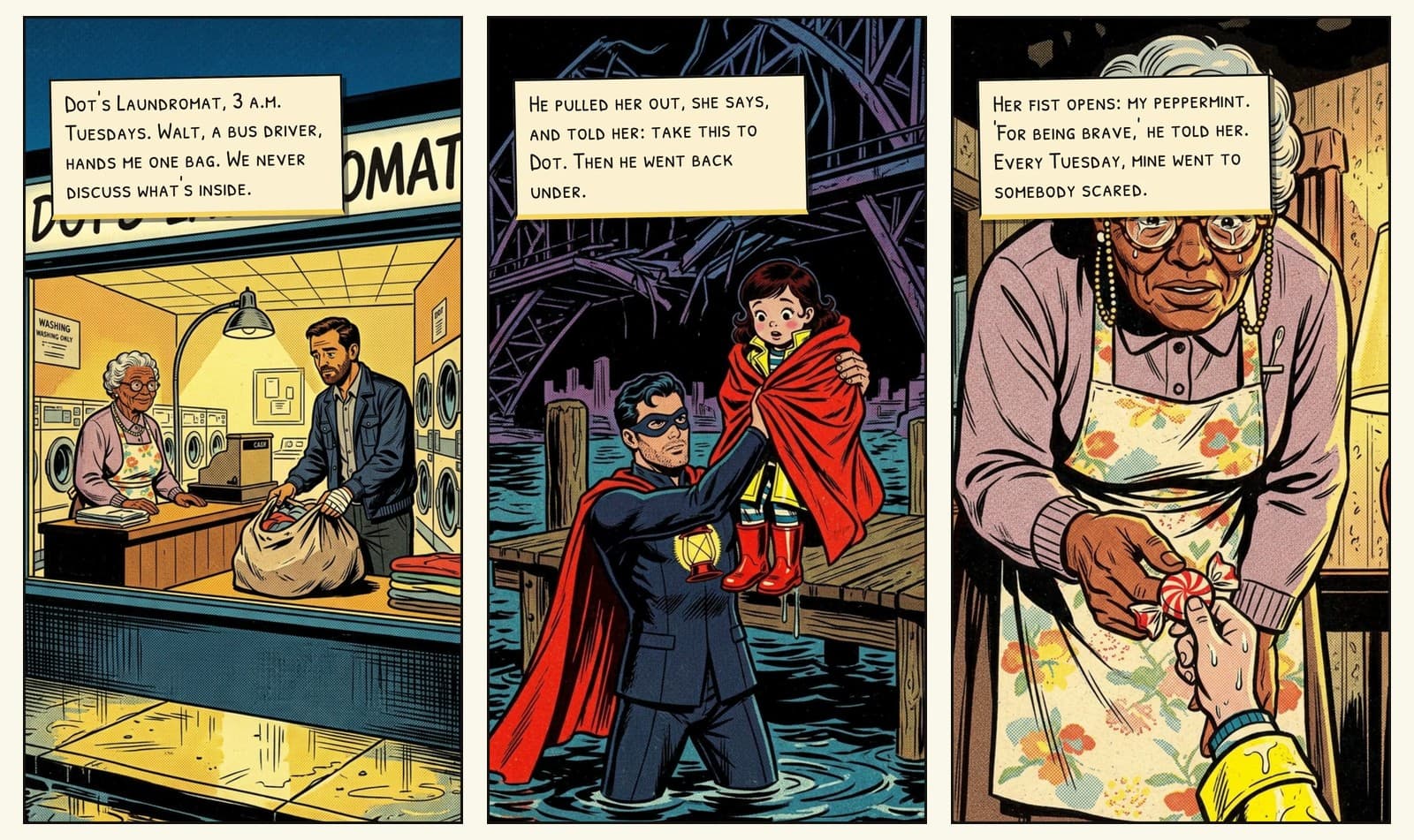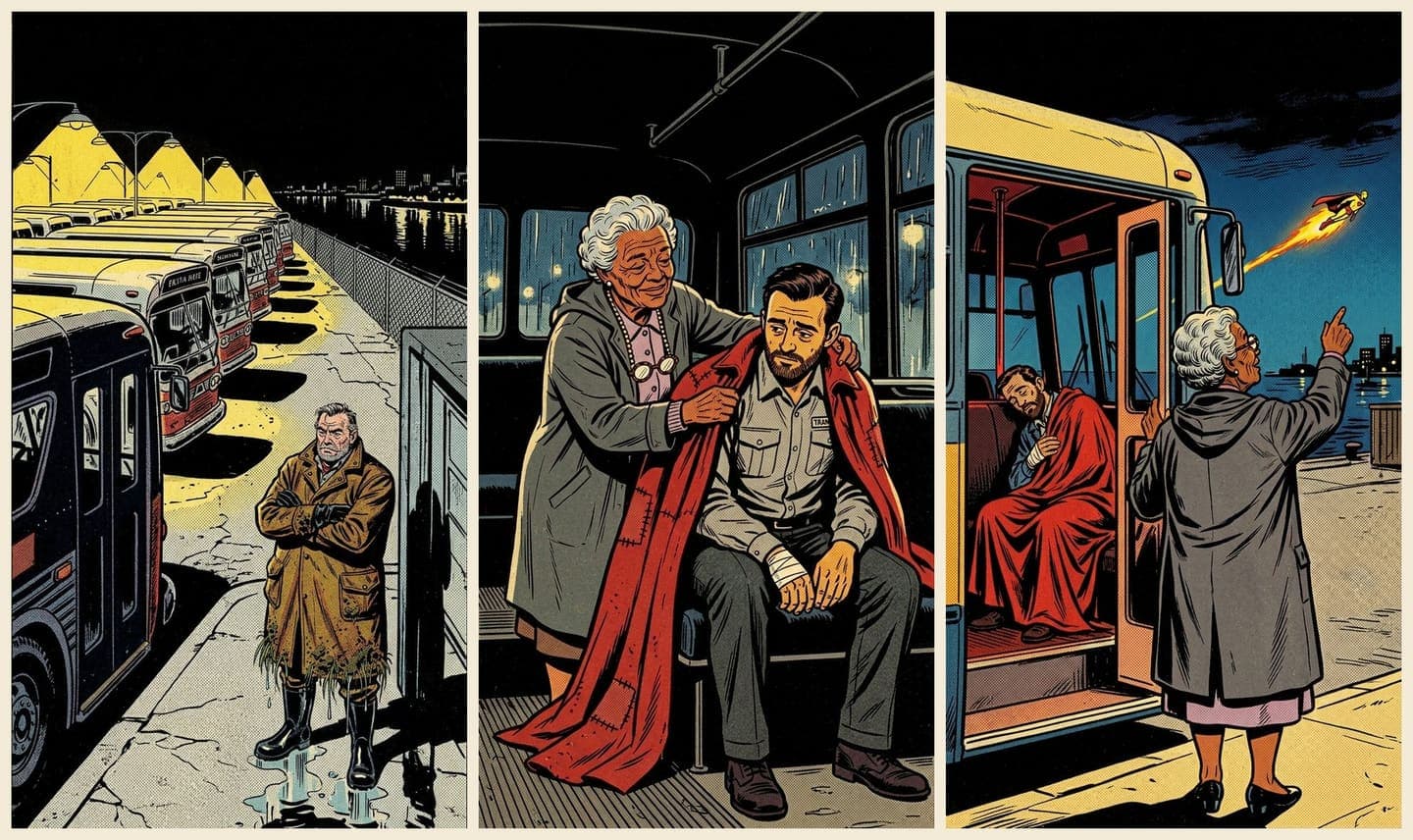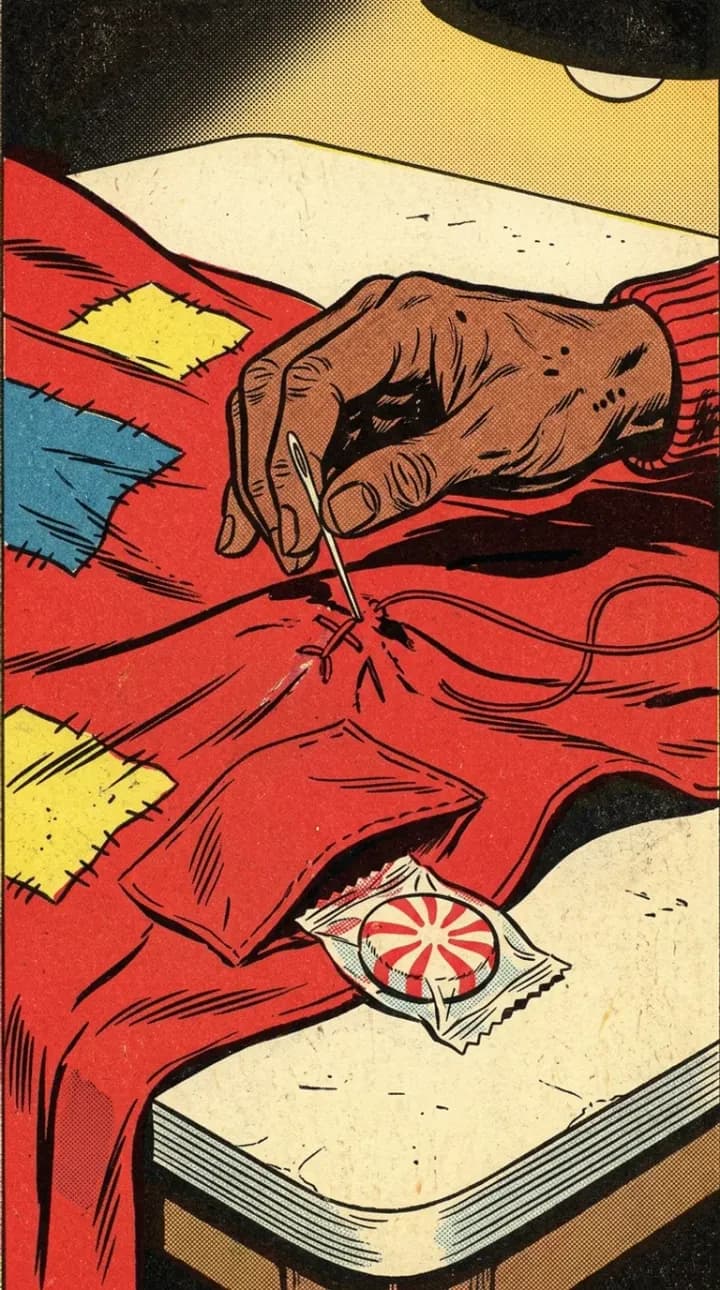
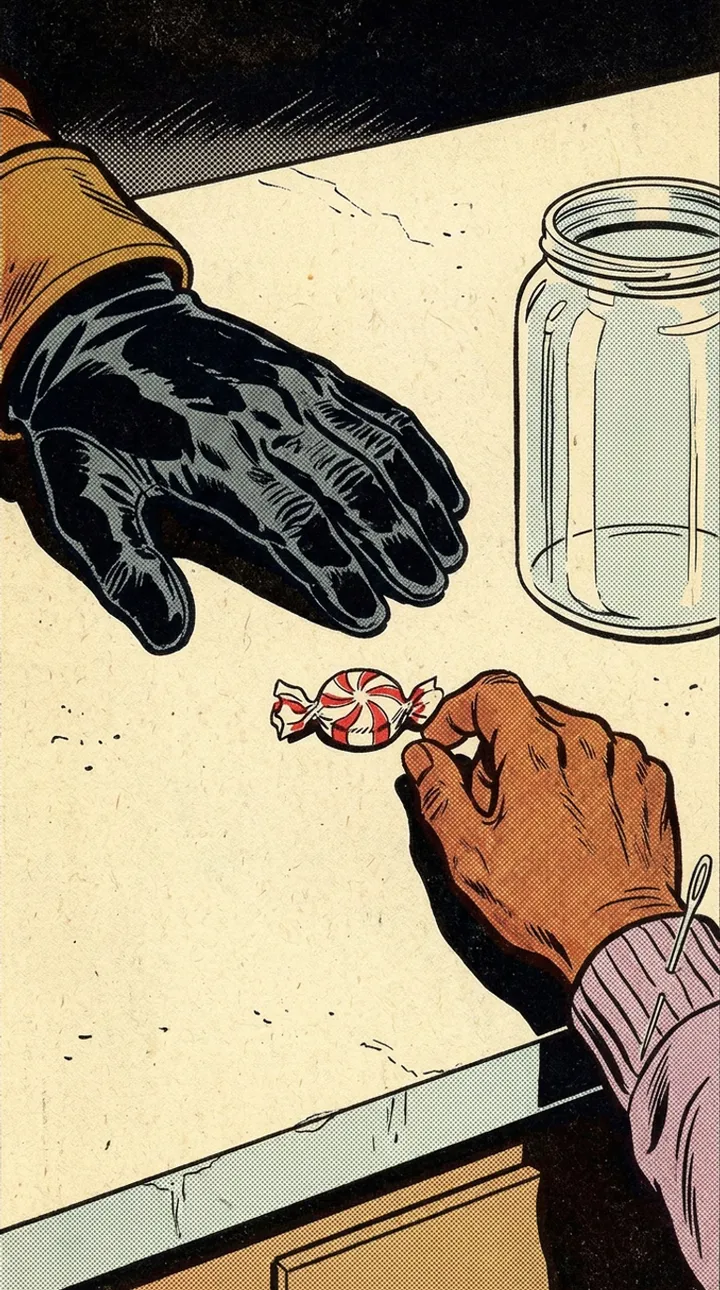
Issue 1 ended on a gloved hand in the laundromat doorway at 3 a.m., holding out the bus driver's bag. Dot knew the bag. She didn't know the hand. This is how the issue that answers it was made, including the parts the studio got wrong and how we fixed them.
The idea
A second issue doesn't start from a blank box. The comic already has its cast, its places, its look (Silver-Age Halftone) and its first issue, and the writer reads all of it. What we added was the issue itself: eight panels, a caption for each, and what each picture should show.
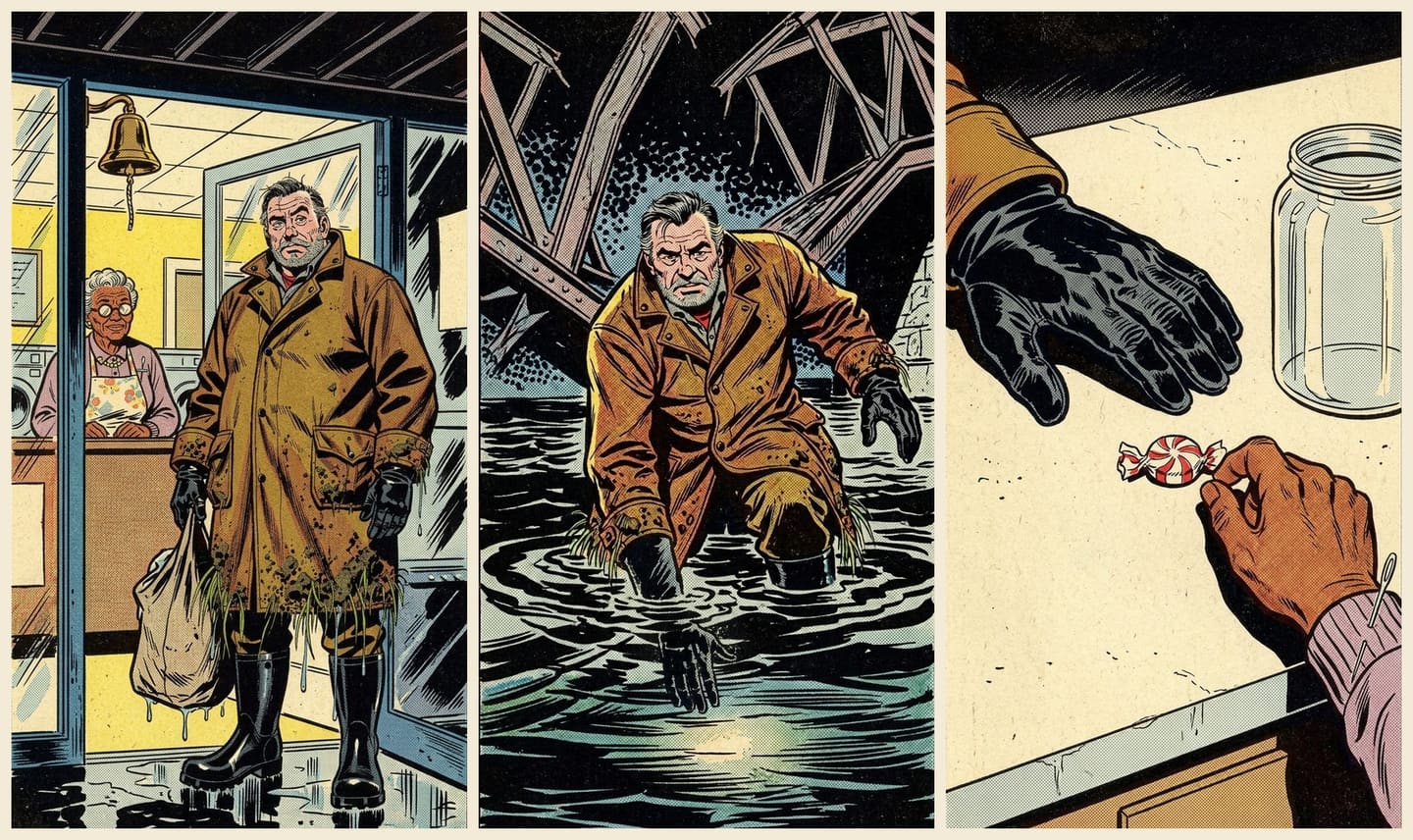
The story in one breath: the hand belongs to Silt, the river man the whole city blames for the bridge collapse, and he has been one of Dot's customers all along. Thursdays, 2 a.m., river mud in every pocket. Tonight he brings Walt's bag, and inside it Walt's jacket from the pier where the Beacon went into the river. Silt knows who the Beacon is, and he came to her, not the police.
Before anything went near the studio, the eight captions went through two kinds of test read: a cold read that only hears the narration, and a hard-to-please comics fan's read of the captions with the pictures described. Those notes changed the villain's look, cut a "should I call the police?" beat, and turned the ending from a hint into a voice on the phone.
The cast
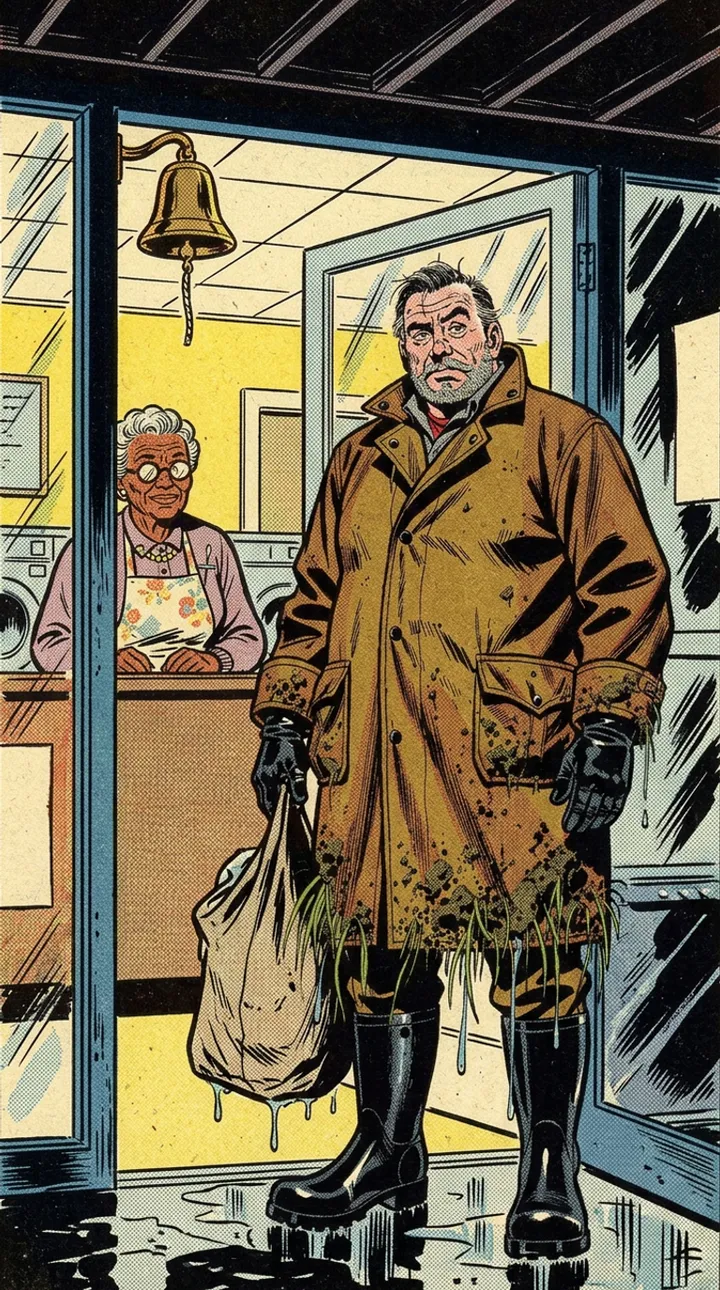
A new person needs a card before a panel can draw him the same way twice. We wrote Silt's: fifties, big and broad, a weathered face and grey stubble, a mud-brown oilskin, rubber boots, black rubber work gloves, always dripping. Then we drew three takes of him in the comic's look and picked the one every panel follows. That's 3 credits, and the reason he's the same man in the doorway and in the river.
The script
We gave the writer the captions word for word. It didn't keep them. It merged two beats, split the phone call across two panels, and turned "He swears he didn't" into "Silt is innocent". It's a good writer with its own ideas, and on a story you've already shaped, its ideas are the thing to check.
The storyboard is where you take the story back, and changing it costs nothing. Every panel has its caption and its picture description side by side. We put all eight back.
Then the cold read: listeners who hear only the narration and say what they took from it. The studio's cold read hears each issue on its own, as a stranger would, without issue 1. It couldn't follow "the hand" or "He's asking for you" without the first issue. So the first caption now names Walt's bag, the third names the Harbor Bridge, and the last line is "Walt's asking for you." Each change stayed within the eighteen words a caption gets.
The panels
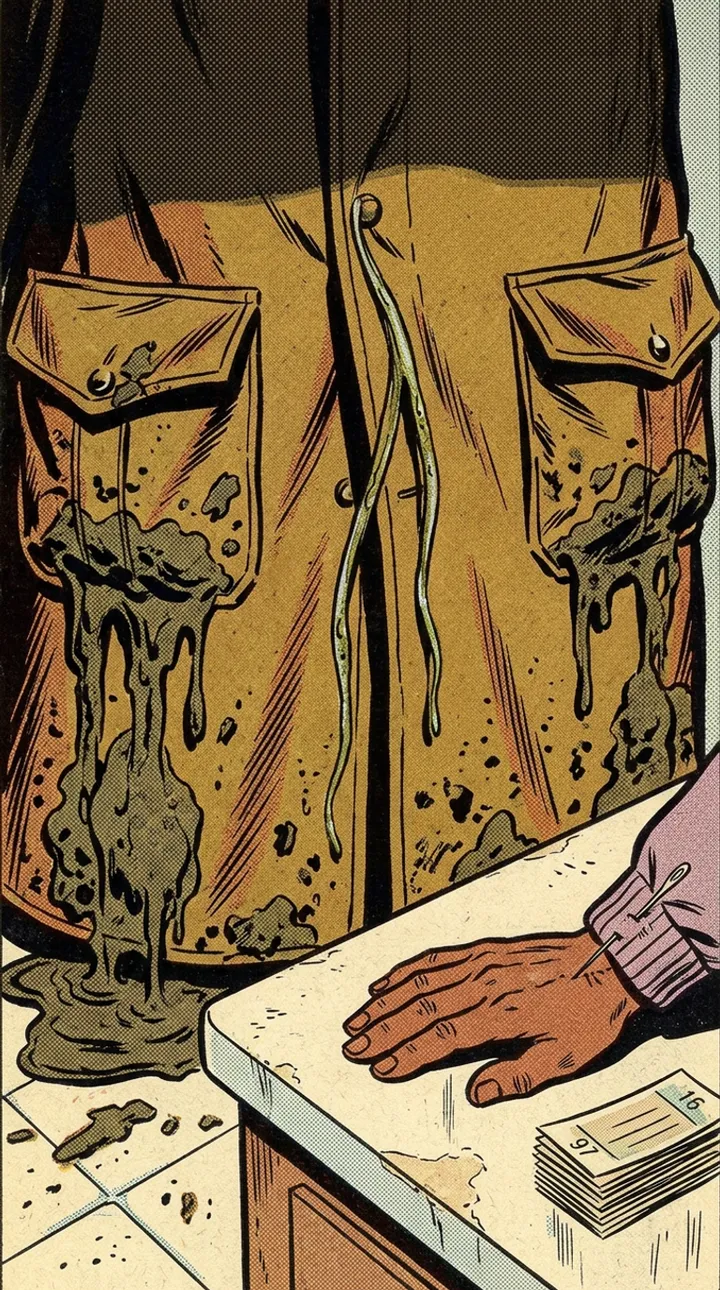
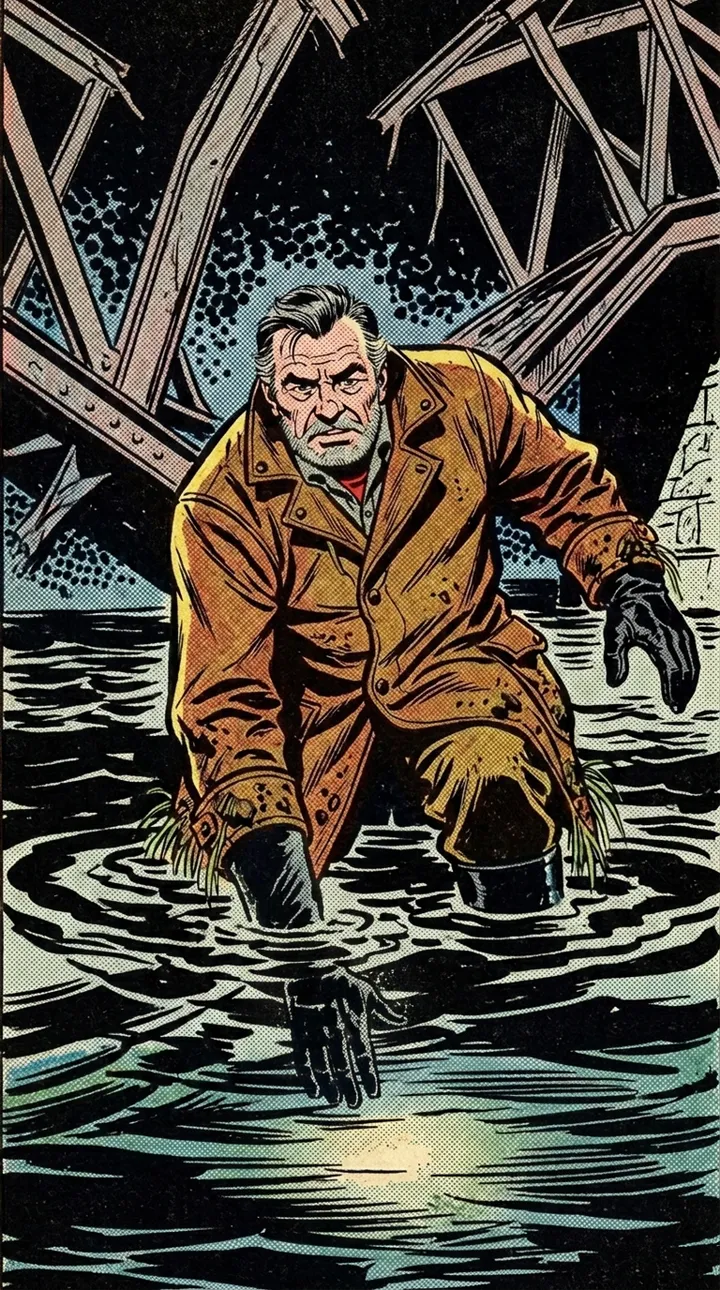
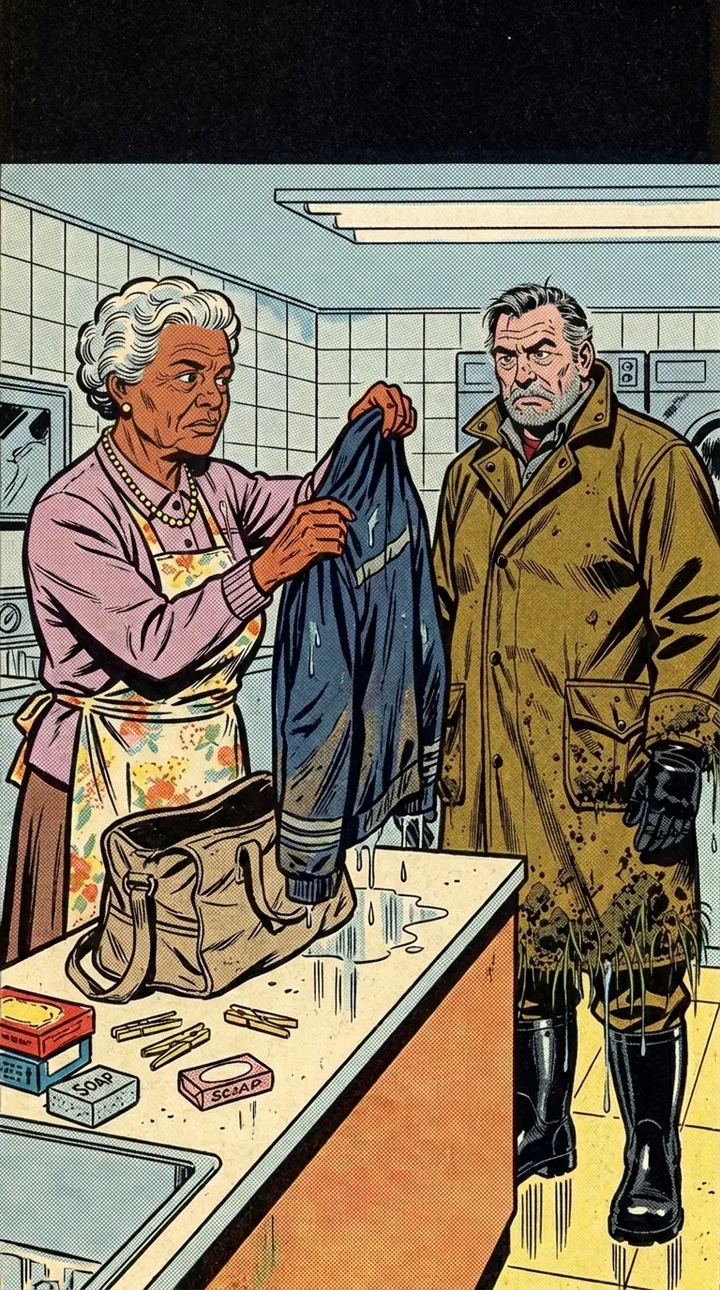
Eight panels, one take each. Six were right first time. Two weren't:
- Panel 4, Silt in the river under the broken bridge. He was there, waist-deep, but the glow he's reaching for barely showed, and it's the whole point of the panel. One "another take" with a note asked for his arm plunged in toward a white-gold glow, and the second take has it.
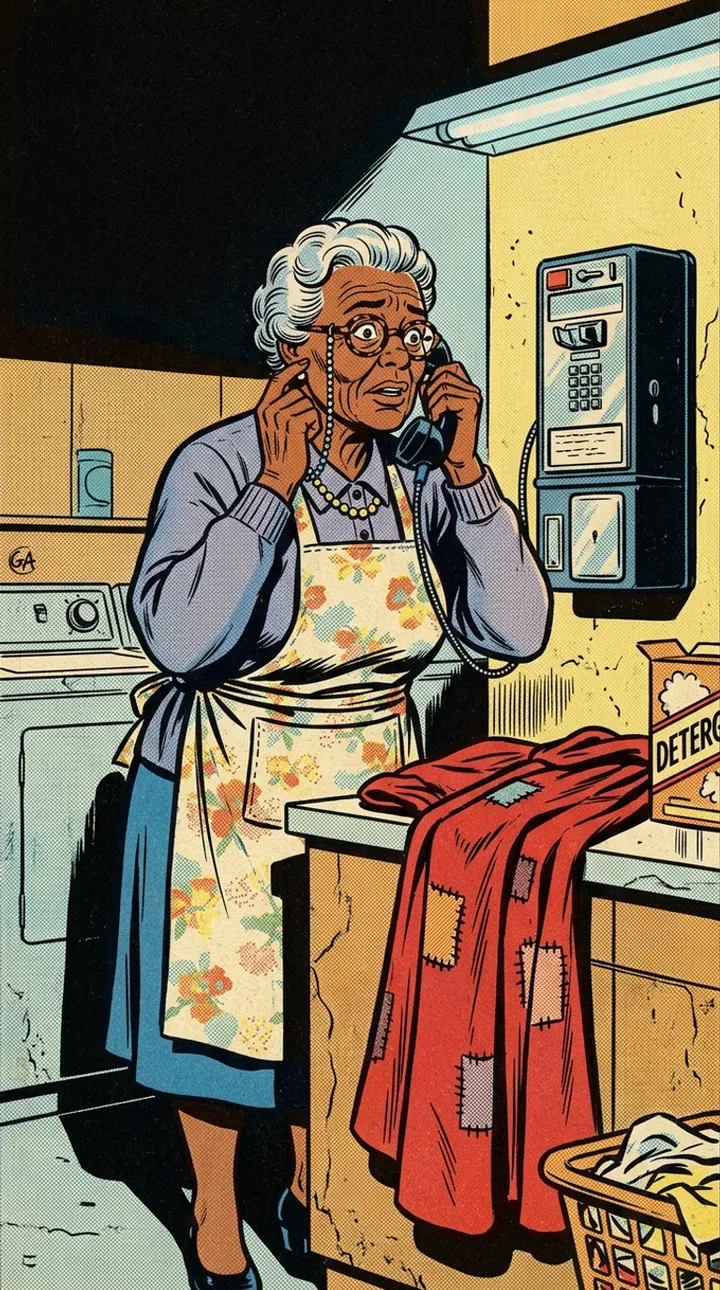
- Panel 5, Dot lifting Walt's jacket out of the bag. She was smiling, at the moment she realises the city's villain knows Walt's secret. The note said not smiling, worried, lips pressed together, and the retake got her right.
The finish
Approve the panels and the studio records the narration, letters each caption where the picture has room, and finishes the issue: a 51-second narrated video and a zip of the lettered panels. The issue ends where a series should: a phone ringing at 4 a.m., a bus rattling past on the line, and Silt saying Walt is asking for her.
What it cost
26 credits in all: 3 for Silt's card, 1 to turn our notes into the issue's idea on the board, and 22 for the issue itself (the writing, eight panels, two retakes, the narration and the finish). Editing the storyboard and running the cold read again cost nothing. A plain issue runs about 20 credits today (about 25 in a premium look), and a new account starts with 35 credits.
Read on
Issue 3 picks up at 4 a.m., when Dot closes the laundromat early for the first time. Drawn and narrated by Panel & Ink; the story is ours.
Start with one idea of your own: your first issue is covered.