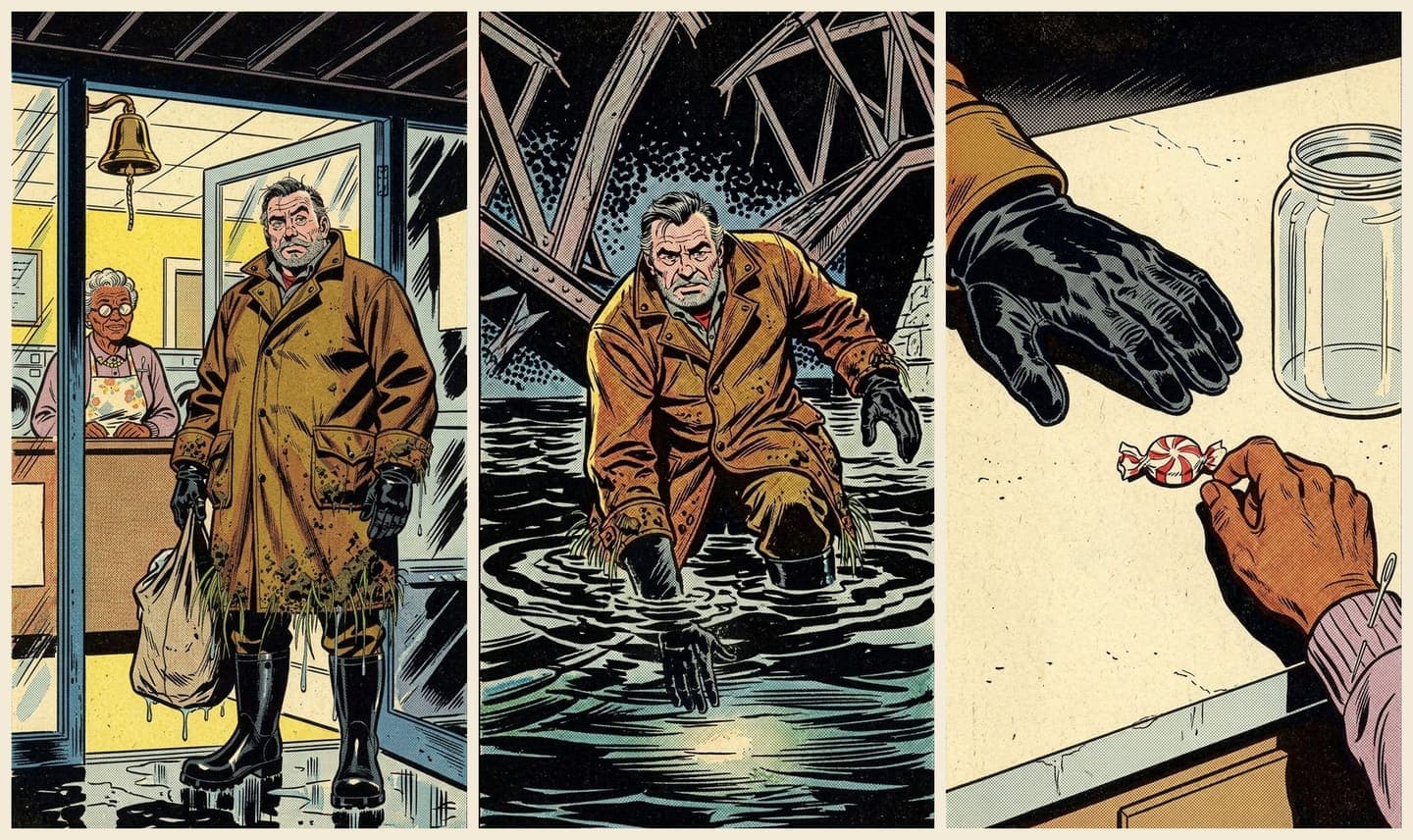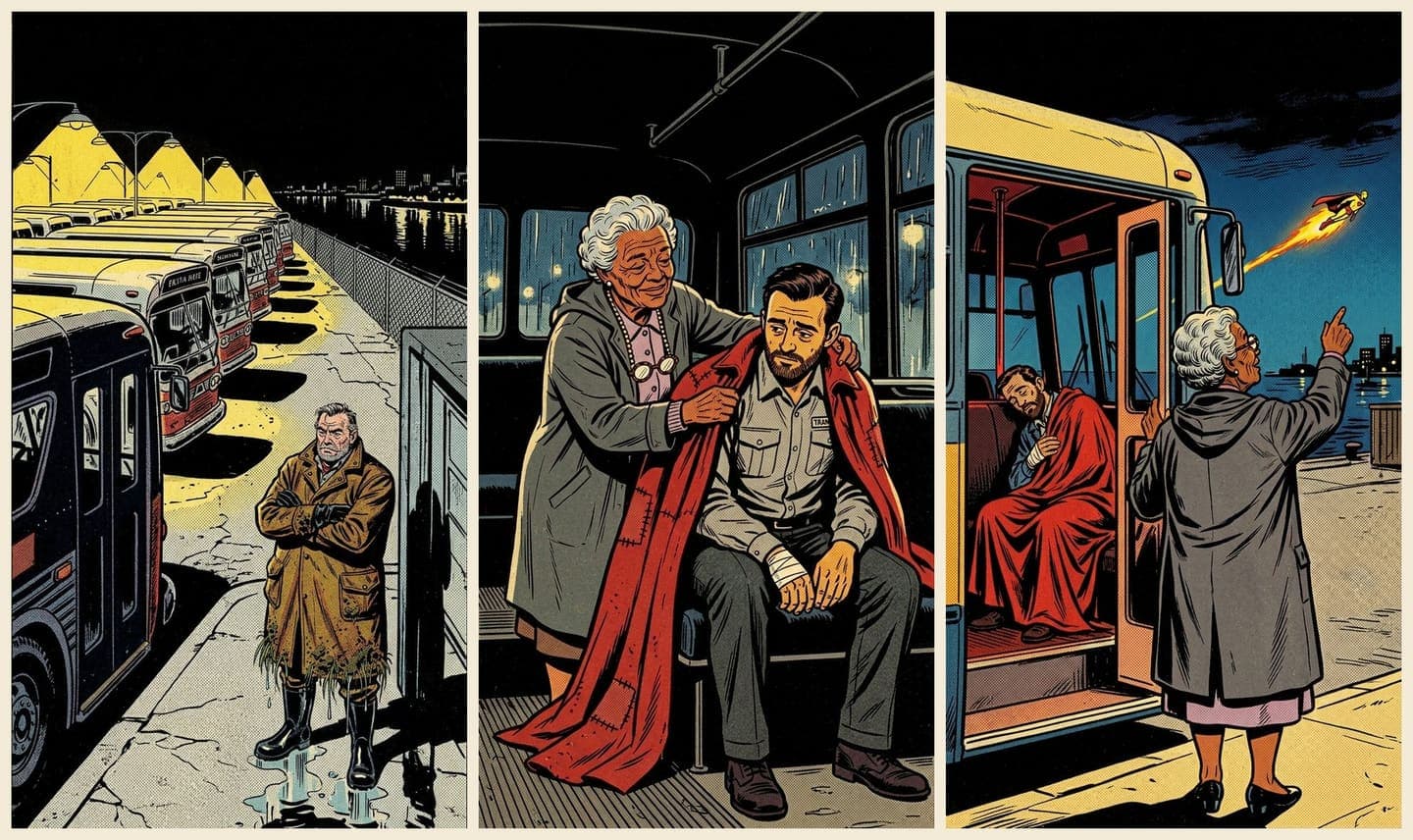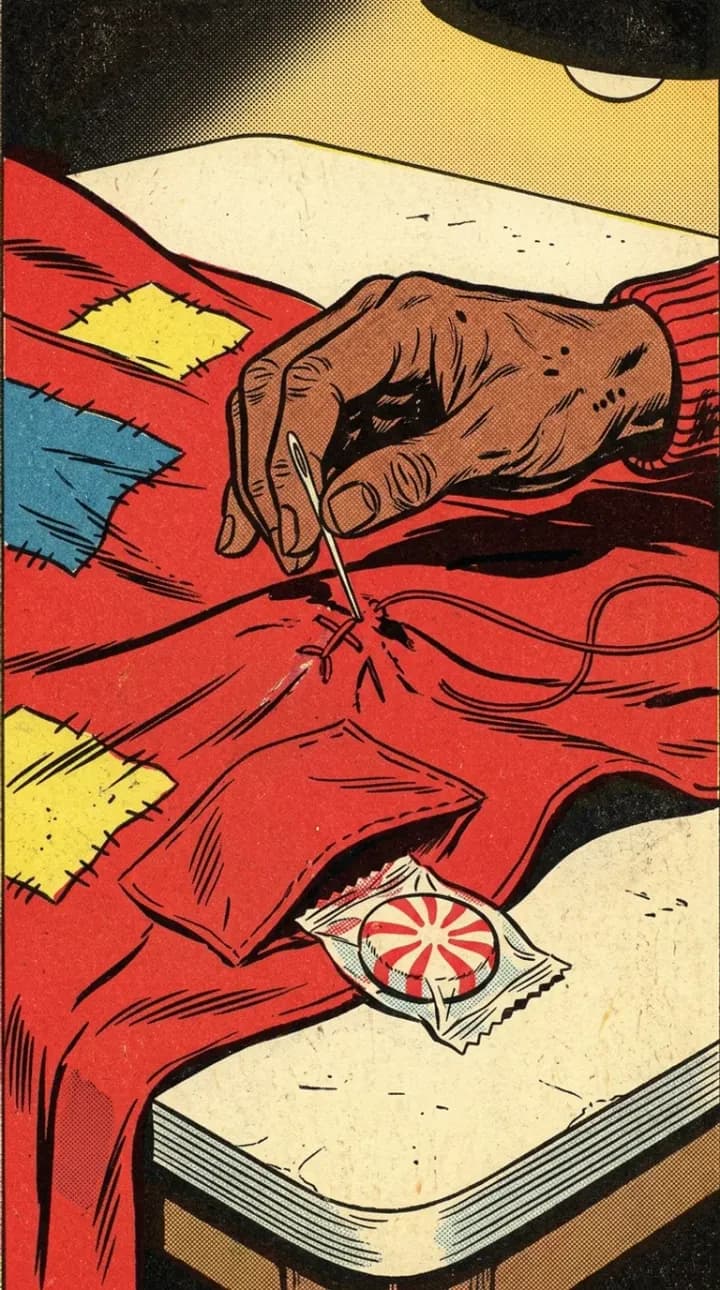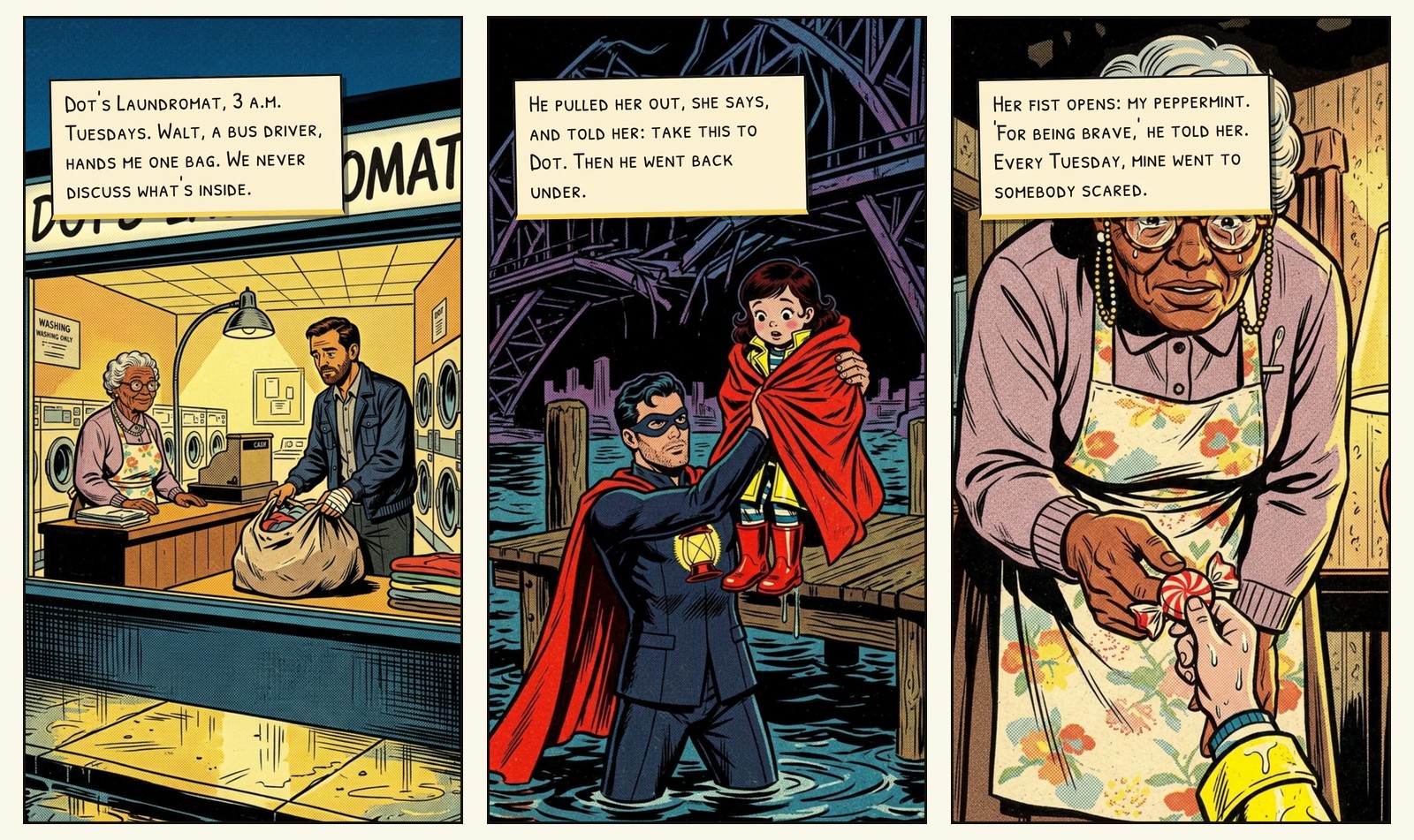
Wash & Fold is the comic we make for ourselves, to see what the studio does with a story we care about. This is how its first issue, "Delicates", went from one paragraph to a finished, narrated comic — the idea, the board, the panels, the finish — and what each step cost.
The idea
Everything starts in one box. This is what went into it, rating set to Everyone:
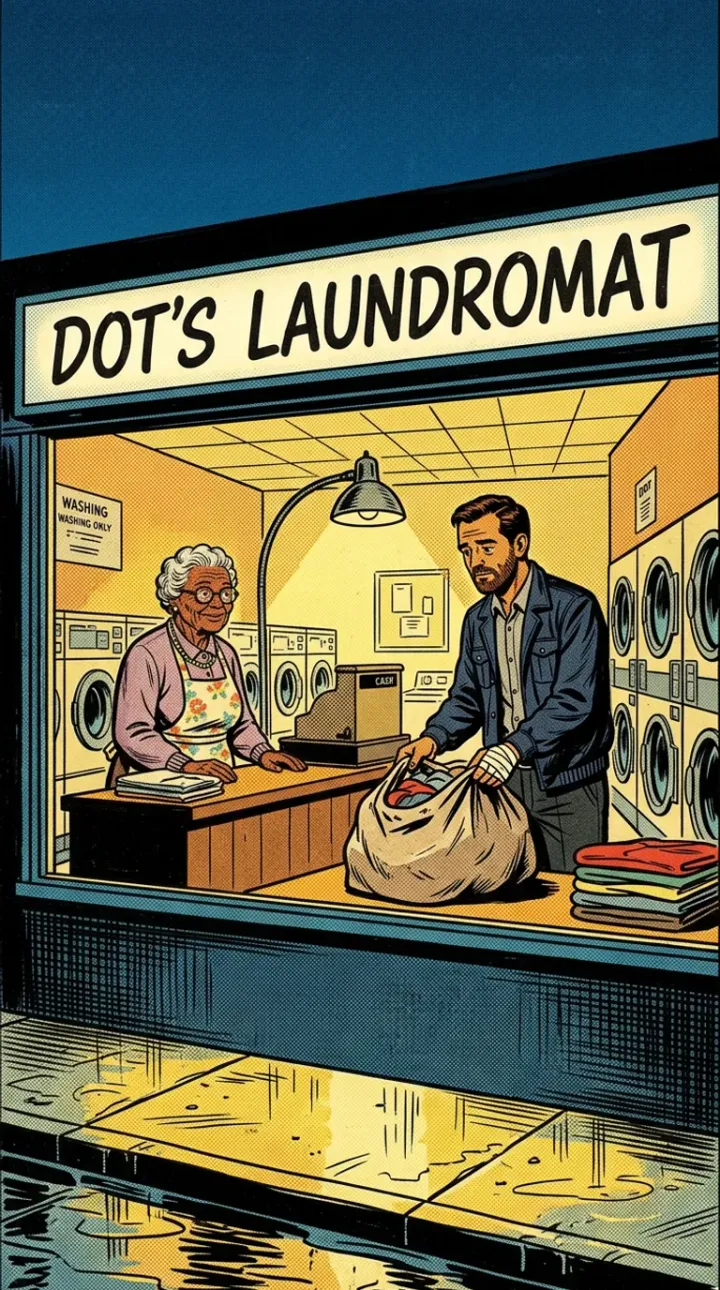
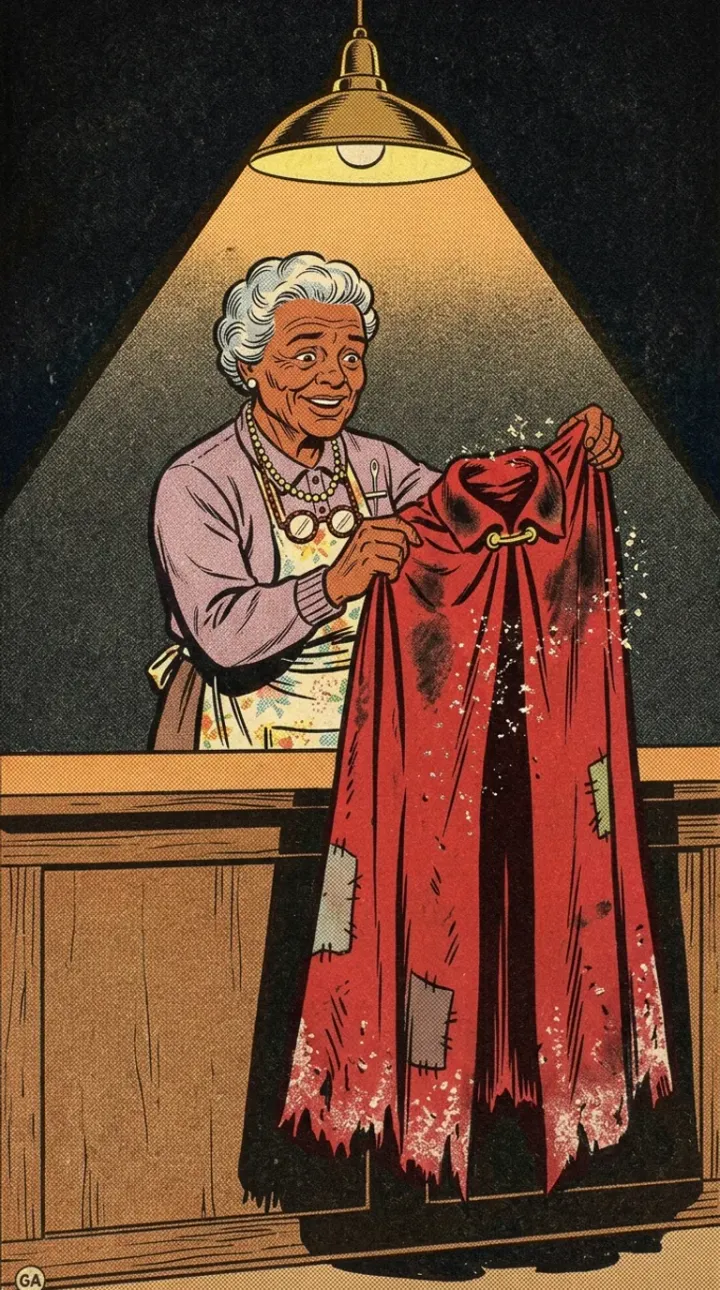
Dot, 70, runs an all-night laundromat. Every Tuesday at 3 a.m. a quiet bus driver brings her one bag of washing, and under his shirts is the red cape of the city's superhero, the Beacon. They never talk about it. She washes it, mends it, and leaves a peppermint in the pocket. A superhero series told from the laundromat.
That is the whole brief. No script, no character designs, no panel list. The studio's wand tidied the wording, then the develop step turned it into a comic: a title, a premise, a cast of three, two places and a voice — every line of which stays yours to change. We changed a few.
The board
The develop step gave us Dot (seventies, silver bob, big round glasses on a beaded chain, a tape measure round her neck), the bus driver who is also the Beacon (forties, tall and tired, bandaged knuckles; navy suit and a long red cape when he is the other thing), and Mina, about nine, in pyjamas and soaked through. Two places: the laundromat, with a TV up high and a bell over the glass door, and the river under the Harbor Bridge.
Each of them got a model sheet, drawn in the look we picked — Silver-Age Halftone, bold ink and halftone dots, because a superhero story told by the person who does his washing wanted the look of the books that invented him. Every panel of Dot from here on is drawn from her sheet, which is how she stays the same Dot from the first panel to the last.
The script
We had opinions about this one, so we gave the writer the beats: eight panels, one narration caption each, and the exact words we wanted. The studio writes an issue from whatever you hand it — a paragraph, a pile of notes, or, as here, a caption for every panel.
Before a single panel is drawn, every script gets a blind cold read: five readers who see only the narration, never the pictures, and say whether they could follow the story by ear. Ours said the ending did not land — "his bag", whose? — so three captions name Walt, the bus driver, within the eighteen-word limit a caption gets. You hear about this before you buy a panel.
The panels
Then the studio draws. Eight panels, one take each, from the script and the cast's sheets. Six of them were right first time. Two were not, and this is the part worth being honest about:
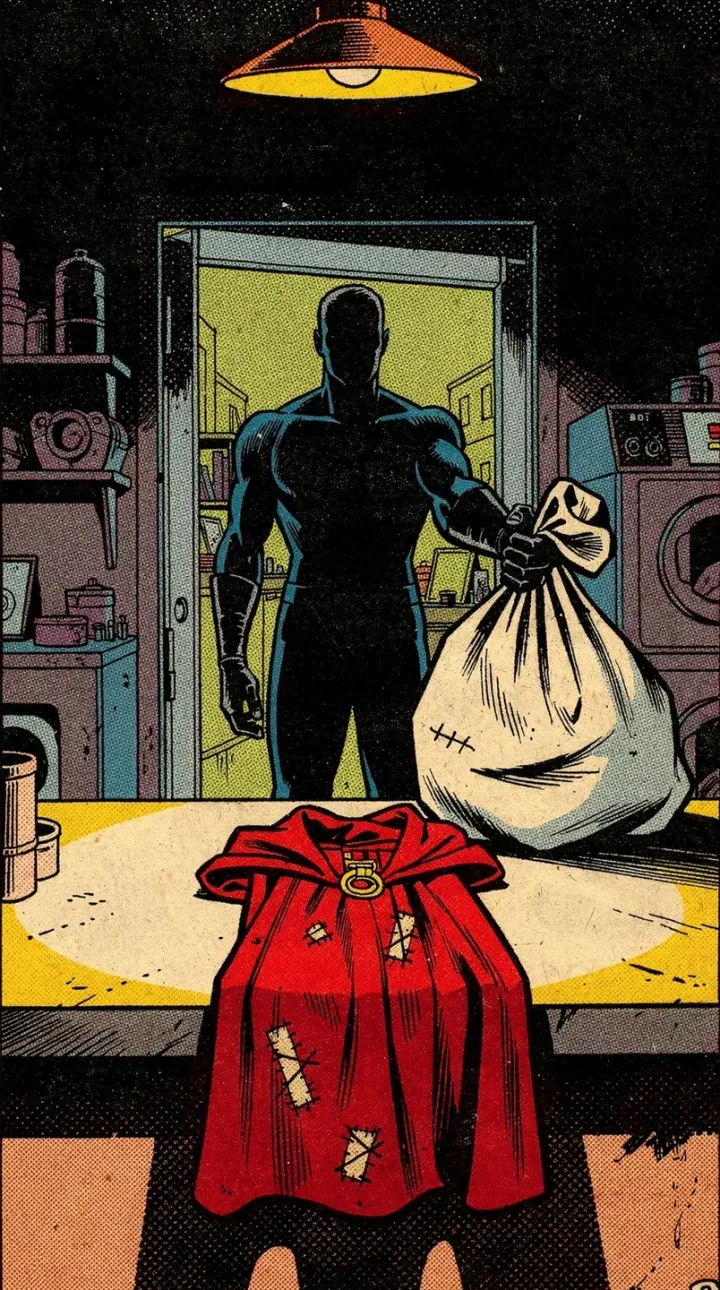
- Panel 4, the TV above the dryers, drew the hero in a yellow suit when panel 6 has him in navy. One "another take" with a note — a caped silhouette holding up the bridge — fixed it.
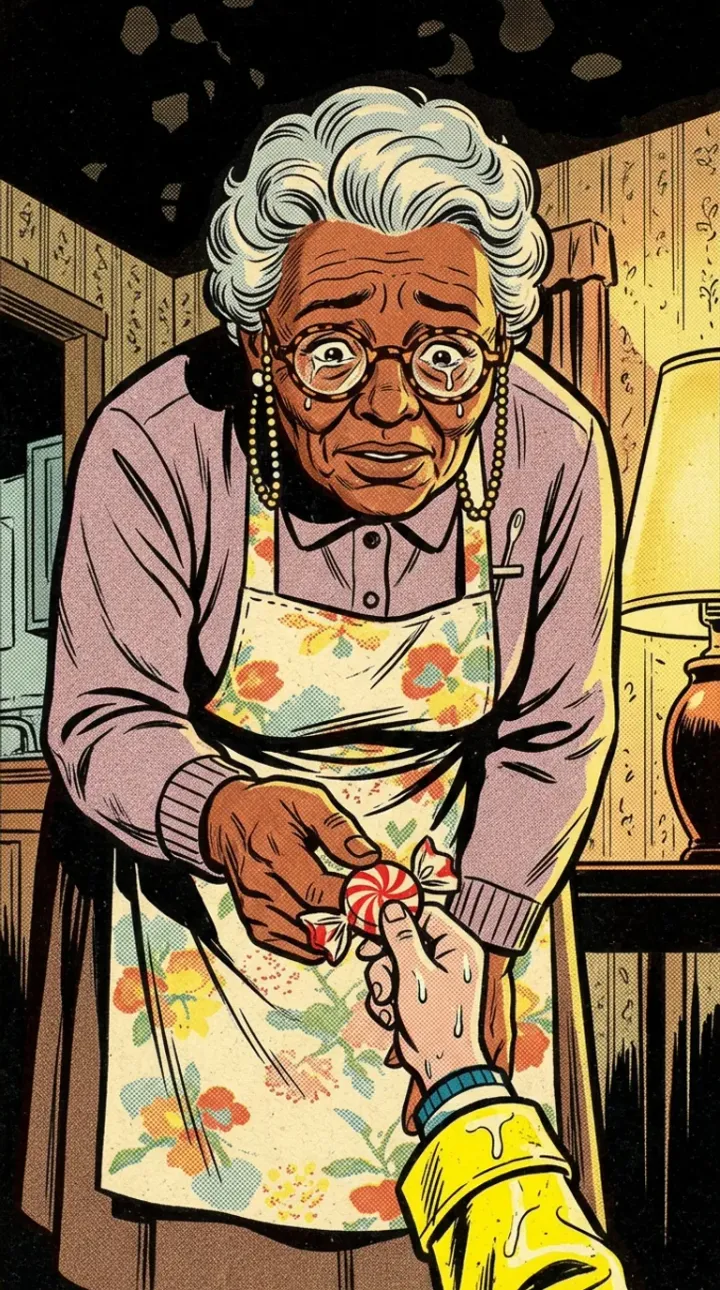
- Panel 7, the peppermint hand, came out as an adult's. The note said Mina's small hand in her raincoat sleeve, and the retake got it.
A retake is one credit, the same as the first take. You ask for one from the review desk, on the panel that missed, and the issue stays on the desk until you are happy.
The finish
Approve the panels and the studio records the narration, lays the captions into the panels where the picture has room, adds a music bed and finishes the issue: a narrated video to watch, and a zip of the lettered panels to post wherever your readers are. One caption box landed over the TV in panel 4, so a third take moved the TV down. Re-assembling after a retake is free.
What it cost
This issue cost 28 credits in all, retakes included: 1 to develop the comic, 4 for the cast, and 23 for the issue itself — the writing, eight panels, three retakes, the narration and the finish. A plain issue runs about 20 credits today (about 25 in a premium look), and a new account starts with 35 credits, enough for a first issue. Every price is on the button before you press it.
Read it
The whole issue is on the front page, eight panels with their narration. Drawn and narrated by Panel & Ink; the story is ours.
Start with one idea of your own — your first issue is covered.