Making one comic with AI is the easy part. Issue 2 is where most tools let go: the hero has a new face, the drawing style has shifted, and the story has forgotten what happened last time.
Here is how to get from one idea to a second issue, with two of our own comics as the worked examples.
What a series has to keep
- The cast. The same faces and the same clothes, in every issue.
- The look. The look is the drawing style. Issue 2 has to be drawn like issue 1.
- The story so far. Who knows what, and which questions are still open.
- The thing that comes back. A case, a visitor, a bag of washing. It's the reason there is an issue 2 at all.
Start with an idea that comes back
A series idea says what happens every issue. "A dog detective solves a case" is one story. "A dog detective takes a new case on her street every week" is a series.
Panel & Ink is an AI comic studio built around a series, and it checks this when you type your idea. If nothing in the idea repeats, a card asks "What happens every issue?" and offers a line to add. The card is optional, and your own words always win.
One-shot or series has the test for whether an idea wants a second issue. How to start a webcomic is about finding the thing that comes back.
Make issue 1 leave a door open
End the first issue on a question. The question is your second issue.
Haley Pet Detective is one of our house comics, made from a few typed notes about a dog. In issue 1 her red ball goes missing on Halloween. She questions three suspects. In the last panels she finds a huge footprint, and then this:
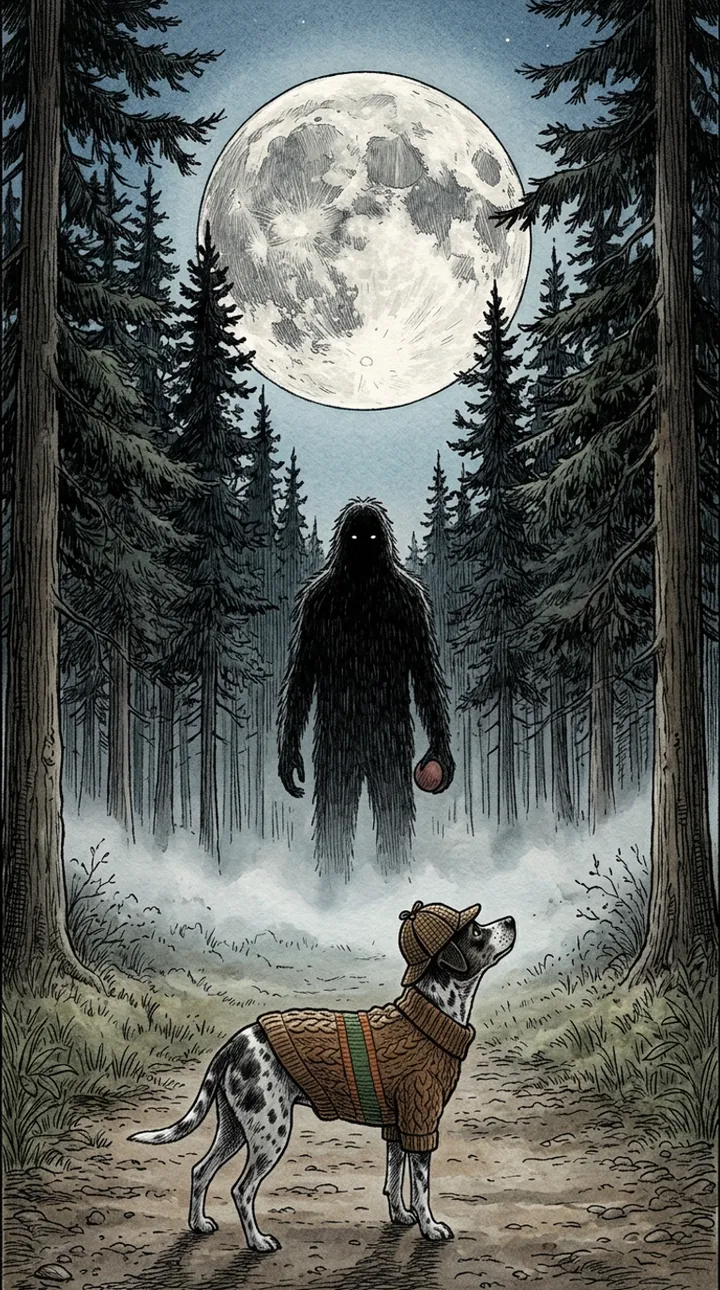
The last caption says "Case open." You can read the whole first issue on the front page.
Start issue 2 from where issue 1 stopped
In the studio, a finished issue has a section under it called "The story goes on". It quotes how the issue ended, as the line the next one picks up from. Then a box asks "What happens in issue #2?"
You have three ways to fill it:
- Type your own idea. A scene, a twist, a line someone says.
- Ask for a suggestion. It's free, and it reads the story so far.
- Leave it blank. The writer picks up from the ending by itself.
Before it writes a word, the writer reads what the earlier issues set up: a short recap, where each character stands, the questions still open, and the facts of the world. You read the script before any panel is drawn, and you can change any caption.
Haley's second issue is called "Bigfoot Owes Me a Ball". This is its cover. Same dog, same hat, same sweater, and the footprint from issue 1:
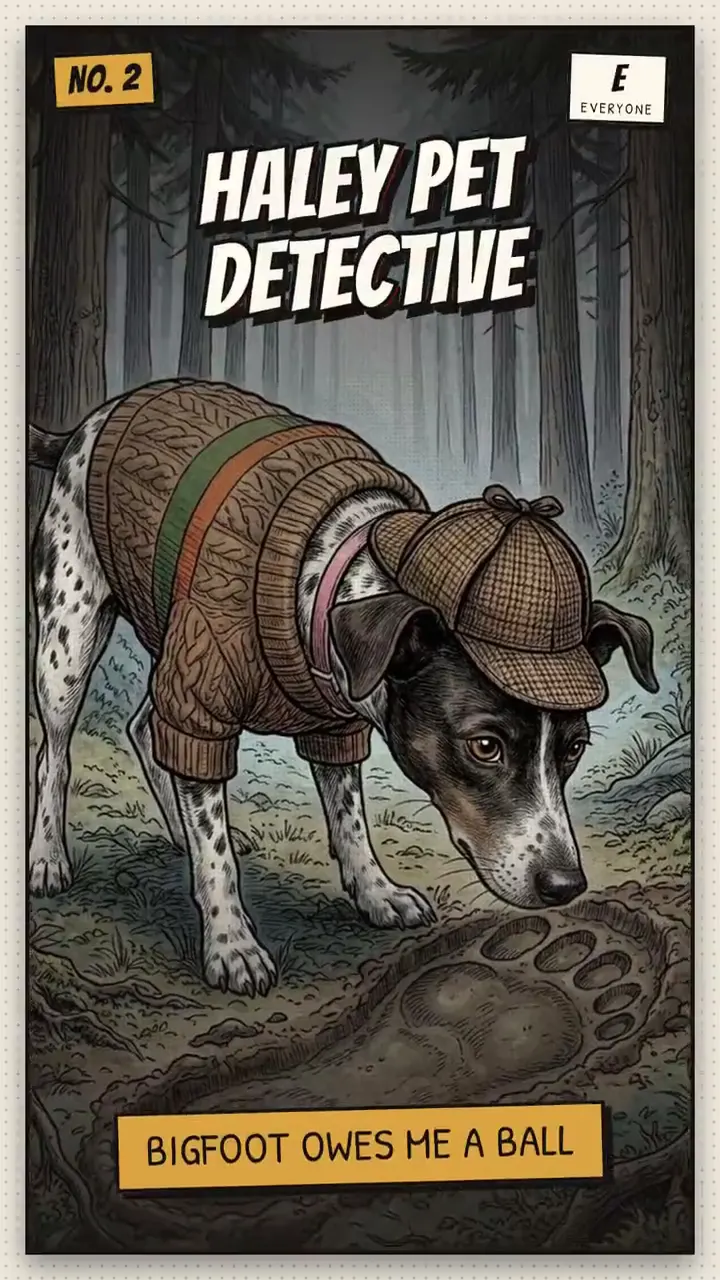
The issue plays as a narrated video on the front page.
What carries over without you doing anything
- The cast. Each regular has one picture marked "in use", and every panel of them is drawn from it. An AI comic generator with consistent characters shows how that works.
- The look. A comic has one look. Haley's is Woodland Fable.
- The narrator. One voice per comic, and one set of narrator's rules that every script follows.
- The rating. Set once, and stated to the writer on every issue.
Add someone new in issue 2
A series grows. Wash & Fold, our laundromat comic, ended its first issue on a stranger's gloved hand in the doorway:
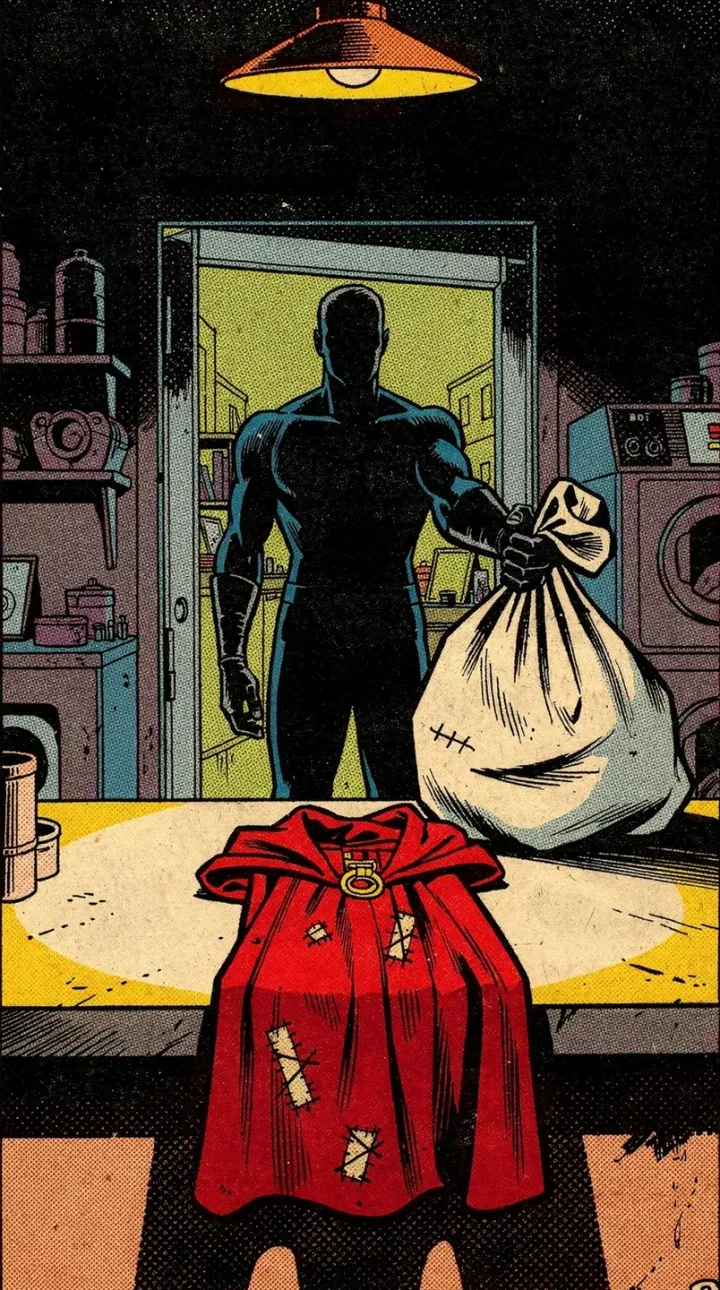
Issue 2 had to say who he was. So we added him to the Cast tab, wrote his description, drew three takes and picked one. Now he's Silt, and he is the same man in every panel since:
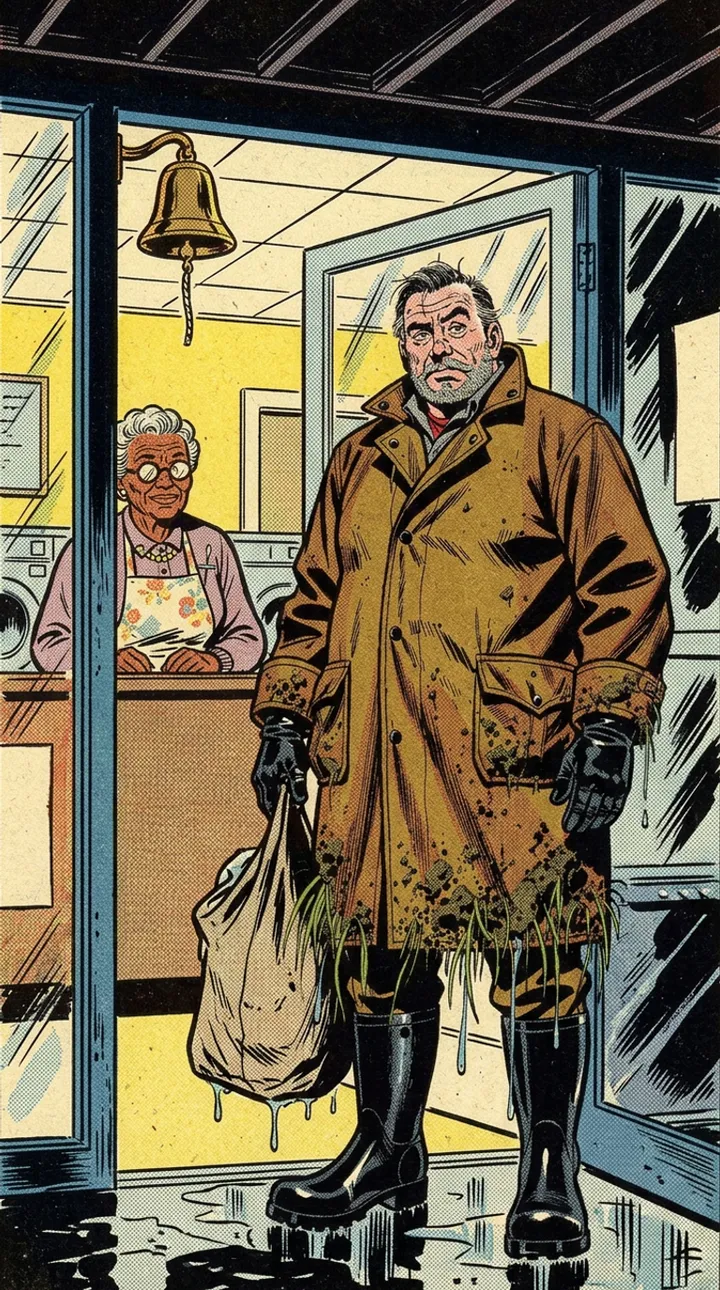
Add a new regular before you write the issue they walk into. How Wash & Fold No. 2 was made has the whole story, mistakes included.
Let a question run
A question doesn't have to close in the next issue. In Wash & Fold, a hero's light sinks into the river in issue 2. It flickers in issue 3. Issue 4 answers it, on a Halloween night with the power out:
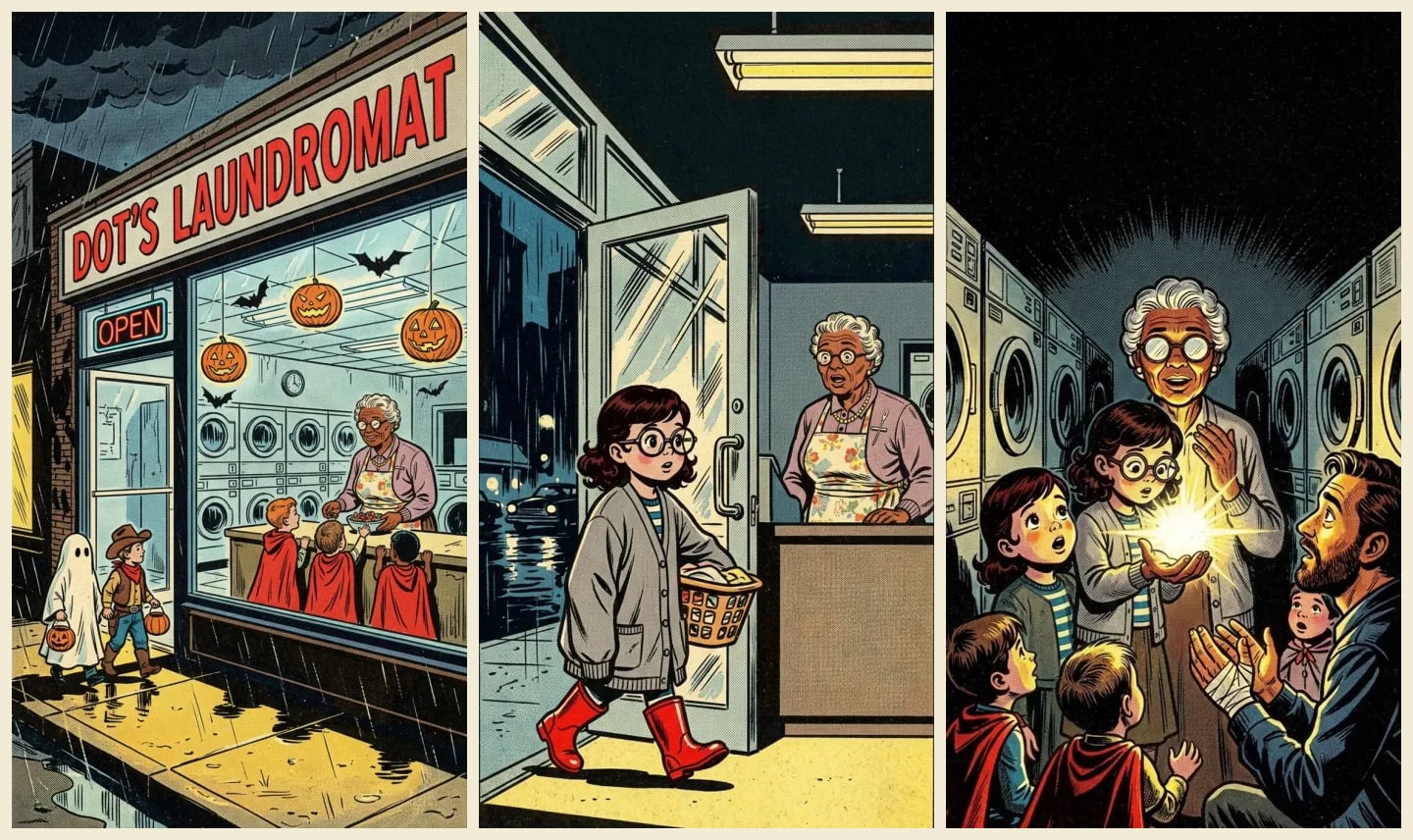
You don't have to keep the list of open questions yourself. The writer reads them again before every new issue.
Keep ideas for later
Ideas for issue 5 turn up while you're making issue 2. On the comic desk, "add an idea by hand" is free and keeps your words as typed. Nothing is written until you press, or until the day you planned an idea for.
What it doesn't do
- No "previously" panel. The writer knows the story so far. The reader isn't shown a recap, so each issue should make sense to someone new.
- No series page yet. You can turn sharing on for an issue, and it gets its own link. There isn't one page that lists every issue.
Where to start
The webcomic and dog or cat pages have series premises to borrow. So do the cosy mystery and slice of life ideas. Pick a look from the looks wall first.
What it costs
An issue on a standard look runs about 20 credits. A new account starts with 35 credits, enough for your first issue on a standard look, and they last 14 days. An issue 2 costs nothing until you start it.
Make your first issue: one idea, a door left open, and an issue 2 that remembers.

